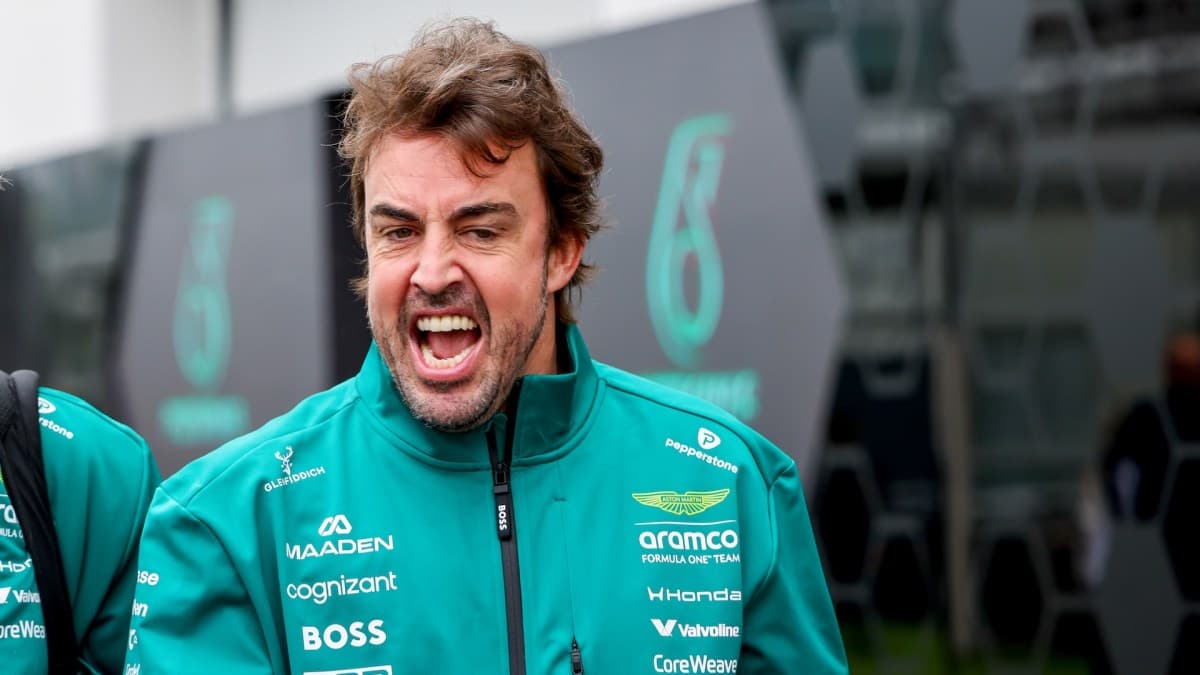
Fernando Alonso Is Angry: 2026 F1 Cars Are the ‘Worst Ever’ and ‘Should Not Be Racing’
Companies Mentioned
Why It Matters
The criticism underscores growing driver dissatisfaction with the current hybrid formula, which could pressure the FIA to modify energy‑recovery rules and affect future car development and competitive balance.
Key Takeaways
- •Alonso calls 2026 hybrid F1 cars "worst ever" after Monaco FP1.
- •Battery harvesting forces drivers to lift, reducing engine braking consistency.
- •Aston Martin qualified 20th, highlighting performance struggles under new regs.
- •Hybrid rule debate may prompt FIA to revisit energy recovery limits.
Pulse Analysis
The 2026 Formula 1 technical package introduced a more aggressive hybrid power unit, mandating a larger on‑board battery and a mandatory kinetic‑energy recovery system that harvests energy during braking. While the change was intended to boost sustainability and showcase cutting‑edge electrification, it also forces drivers to lift off the throttle to charge the battery, especially on circuits with frequent low‑speed corners. Monaco’s tight, twisty layout, traditionally a test of aerodynamic grip rather than outright speed, magnifies the issue because drivers must balance lap time with energy harvesting. The result is a noticeable loss of engine braking consistency and a slower overall pace.
Fernando Alonso’s outburst after finishing 20th in Friday’s practice session crystallised the frustration felt by many seasoned pilots. The two‑time champion argued that the current hybrid cars are ‘the worst ever’ and should not be racing, citing the unpredictable power delivery when the battery is full or near empty. Aston Martin’s modest performance, lagging behind even the under‑funded Cadillac of Valtteri Bottas, highlights how the new regulations can widen the gap between well‑resourced teams and those still perfecting their power‑unit integration. Driver morale and team strategy are now under scrutiny as the season progresses.
The controversy could prompt the FIA to revisit the energy‑recovery limits before the next regulatory cycle. Adjustments such as reducing mandatory harvest percentages or allowing more flexible deployment could restore a more traditional racing feel while preserving the sport’s green credentials. For manufacturers, any rule tweak would influence power‑unit architecture, potentially accelerating development of lighter batteries or alternative hybrid configurations. Sponsors and broadcasters, keen on maintaining on‑track excitement, are likely to support reforms that enhance overtaking opportunities. Ultimately, Alonso’s criticism may serve as a catalyst for a balanced evolution of F1’s hybrid era.
Fernando Alonso Is Angry: 2026 F1 Cars Are the ‘Worst Ever’ and ‘Should Not Be Racing’
Comments
Want to join the conversation?
Loading comments...