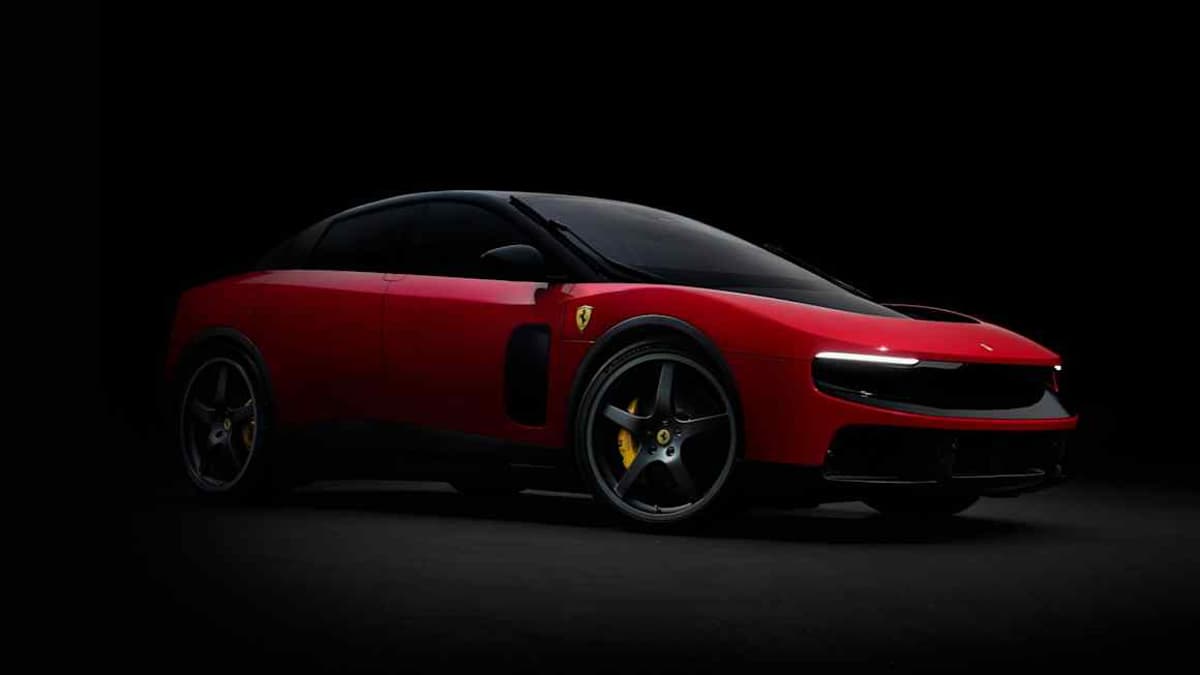
Ferrari’s New EV Sparks Italian Angst over Agnelli Legacy
Companies Mentioned
Why It Matters
The EV signals Ferrari’s entry into a rapidly expanding luxury electric market, testing brand equity and Italy’s industrial transition. Its success will influence how heritage brands balance tradition with sustainability mandates.
Key Takeaways
- •Ferrari’s first EV targets premium electric market
- •New platform promises Ferrari‑level performance
- •Italian public questions Agnelli family’s strategic direction
- •Electrification deemed essential for long‑term growth
- •Heritage brand faces sustainability and brand‑identity tension
Pulse Analysis
Ferrari’s electric debut reflects a broader industry pivot toward zero‑emission powertrains. While the marque has long been synonymous with roaring V12s, the new model leverages a bespoke battery architecture and lightweight carbon‑fiber construction to deliver acceleration figures that rival its gasoline‑powered siblings. This technical leap positions Ferrari alongside other high‑end manufacturers such as Porsche and Lamborghini, which have already introduced hybrid or fully electric offerings, and signals that the luxury performance segment is no longer immune to regulatory pressure and consumer demand for greener mobility.
The reaction in Italy underscores the cultural weight of the Agnelli dynasty, which has steered Fiat, Stellantis and now Ferrari through decades of automotive evolution. Critics fear that an electric Ferrari could erode the brand’s mythos rooted in handcrafted engineering and racing pedigree. Proponents, however, argue that embracing electrification safeguards the company’s relevance in markets where emissions standards are tightening and where affluent buyers increasingly expect sustainable options without compromising performance.
From a strategic perspective, Ferrari’s EV launch is a test of its ability to monetize a new product line without cannibalising its core legacy business. Pricing will likely sit at the top of the electric luxury spectrum, leveraging the brand’s cachet to command premium margins. Success could unlock new revenue streams, attract a younger, environmentally conscious clientele, and reinforce Exor’s broader portfolio diversification. Conversely, a lukewarm market response may compel the group to recalibrate its electrification timeline, balancing heritage preservation with the inevitable shift toward sustainable transportation.
Ferrari’s new EV sparks Italian angst over Agnelli legacy
Comments
Want to join the conversation?
Loading comments...