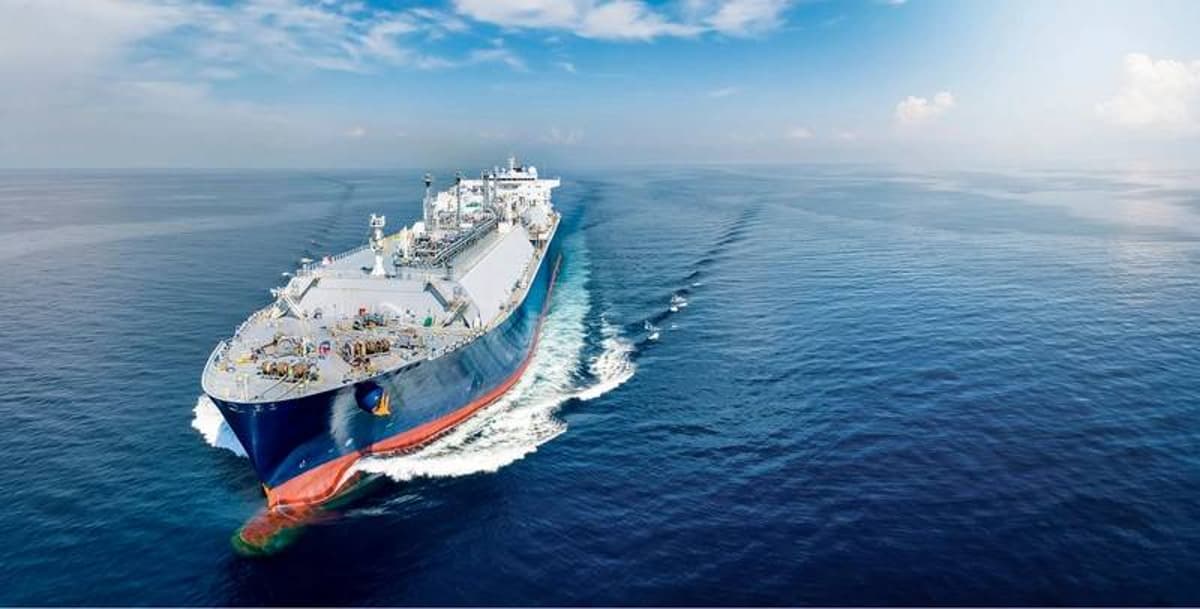
Fifth Qatari-Controlled LNG Tanker Exits Hormuz Strait
Companies Mentioned
Why It Matters
Resuming LNG movements through Hormuz signals a tentative easing of geopolitical bottlenecks, preserving critical supply to Asian markets and stabilizing global energy pricing.
Key Takeaways
- •Nine loaded LNG tankers have exited Hormuz since February conflict began
- •QatarEnergy’s Al Daayen loaded at Ras Laffan on June 1, heading to China
- •ADNOC’s Al Hamra completed a ballast run after delivering LNG to India
- •Strait of Hormuz traffic fell from 125‑140 daily passages to near‑zero
- •Approximately 20,000 seafarers remain stranded on vessels across the Gulf
Pulse Analysis
The Strait of Hormuz, a narrow waterway that handles roughly 20% of the world’s oil and LNG shipments, has become a flashpoint since the February 28 war between the United States, Israel and Iran. Satellite and AIS data show daily transits have collapsed from a pre‑war average of 125‑140 vessels to almost none, disrupting supply chains and stranding thousands of crew members. This bottleneck has forced traders to price in a premium for risk‑averse routes, while governments monitor the chokepoint for any escalation that could further choke global energy flows.
Amid the congestion, QatarEnergy’s Al Daayen and ADNOC’s Al Hamra have successfully navigated the strait, underscoring the resilience of state‑backed LNG exporters. Al Daayen’s cargo, loaded at Ras Laffan on June 1, is bound for China, a market that consumes over 70 million tonnes of LNG annually. Al Hamra’s ballast run after delivering to India demonstrates that even a vessel returning empty can secure a second loading, hinting at a cautious re‑opening of the route for high‑value cargoes. These movements provide market participants with a signal that critical Asian demand may continue to be met despite regional tensions.
Looking ahead, the limited but growing traffic through Hormuz suggests a gradual normalization, yet the underlying geopolitical risk remains high. Shipping firms are evaluating alternative routes such as the Cape of Good Hope, which add cost and time, while insurers adjust premiums for vessels entering the contested waters. Analysts expect that any further escalation could again halt transits, prompting a swift shift in LNG pricing and potentially accelerating investments in diversified supply chains, including floating storage and regasification units (FSRUs) and new pipeline projects. For investors and policymakers, monitoring Hormuz traffic will be essential to gauge the balance between supply security and geopolitical volatility.
Fifth Qatari-Controlled LNG Tanker Exits Hormuz Strait
Comments
Want to join the conversation?
Loading comments...