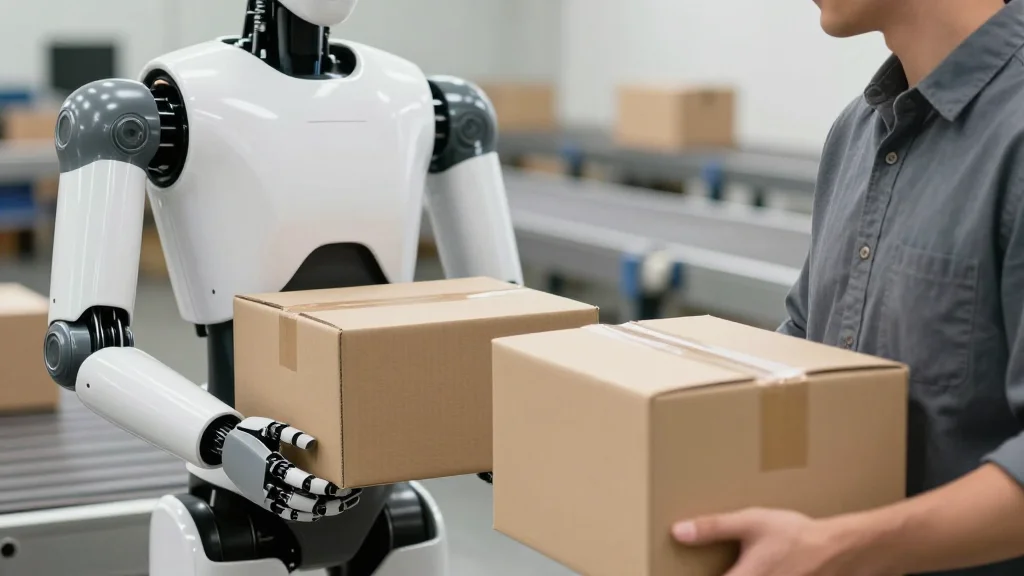
Figure AI’s Humanoid Robot Loses to Human in 10‑Hour Package‑Sorting Race

Companies Mentioned

Why It Matters
The race spotlights the practical limits of humanoid robotics in the logistics chain, a core segment of the transportation sector. While autonomous mobile robots have already transformed parcel sorting in large hubs, humanoid platforms promise flexibility—handling irregular items, navigating unstructured spaces, and working alongside human crews. A human edge in speed, however, signals that full replacement is still years away, preserving demand for skilled labor and influencing wage dynamics in warehouse hubs. For shippers and carriers, the outcome informs investment decisions. If humanoids can reliably match or exceed human throughput without fatigue, they could reduce labor costs and mitigate staffing shortages that have plagued the industry. Conversely, persistent accuracy gaps and regulatory hurdles may keep traditional labor models dominant, prompting firms to adopt hybrid solutions that blend human oversight with robotic assistance.
Key Takeaways
- •Figure AI’s humanoid sorted 12,732 packages in 10 hours, 192 fewer than intern Aimé Gérard’s 12,924.
- •Human averaged 2.79 seconds per package; robot averaged 2.83 seconds.
- •Livestream attracted >3 million cumulative X views, with 1.5 million in the first 8 hours.
- •Figure AI valued at $39 billion; CEO Brett Adcock warned "This is the last time a human will ever win."
- •Robotics expert Ayanna Howard warned that fully autonomous logistics humanoids are still years from deployment.
Pulse Analysis
Figure AI’s public showdown serves as both a marketing stunt and a data‑gathering exercise. By inviting a human competitor, the company forced its humanoid to operate under real‑world constraints—fatigue, breaks, and the need for consistent speed—conditions that pure automation tests often ignore. The 0.04‑second per‑package deficit may appear trivial, but at scale it compounds: a 10‑hour shift in a 30,000‑package hub could translate to tens of thousands of extra labor minutes, directly affecting throughput and labor cost calculations.
Historically, warehouse automation has leaned on fixed‑path robotic arms and conveyor‑based sorters, which excel at repetitive tasks but falter with irregular shapes or dynamic routing. Humanoids promise a bridge between rigid automation and human dexterity, yet the Figure AI episode underscores that sensor fidelity, real‑time decision making, and error handling remain immature. Competitors are likely to accelerate R&D, focusing on vision systems that can reliably read barcodes regardless of orientation and on AI that can predict and correct belt disruptions before they cause downtime.
Looking ahead, the key question is not whether robots can beat humans in a single race, but whether they can sustain superior performance across diverse, high‑volume environments while meeting safety and labor regulations. Figure’s decision to keep the livestream running until a failure occurs will generate a granular failure‑mode dataset, potentially accelerating breakthroughs. For the broader transportation ecosystem, incremental gains in robot reliability could shift the economics of last‑mile fulfillment, reduce reliance on seasonal labor spikes, and reshape the skill set required in modern warehouses.
Figure AI’s Humanoid Robot Loses to Human in 10‑Hour Package‑Sorting Race
Comments
Want to join the conversation?
Loading comments...