Final Burke Lakefront Hearing Sharpens Closure Debate
Why It Matters
The decision could reshape Cleveland’s waterfront, creating new public amenities while risking the loss of a functional aviation asset and its associated revenue. It also tests the city’s ability to secure federal approval and finance a large‑scale redevelopment.
Key Takeaways
- •Council hearings highlighted cost and feasibility concerns for Burke redevelopment.
- •Nonprofit proposes parks, trails, hotels, marina, but designs remain conceptual.
- •Opponents argue airport remains vital economic asset lacking replacement plan.
- •Federal approval required before any closure can move forward.
- •Survey shows 85% support lakefront access, but methodology is self‑conducted.
Pulse Analysis
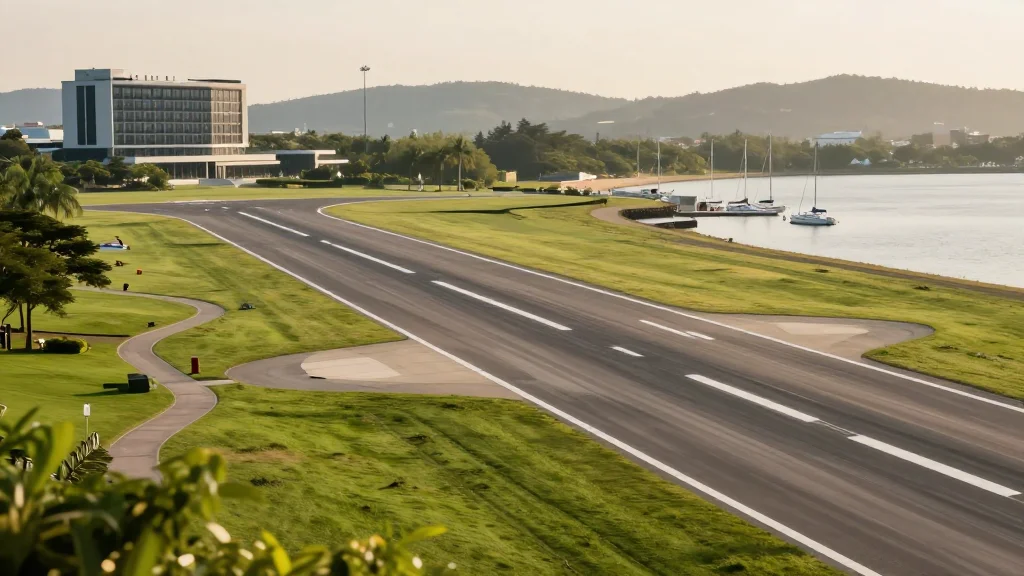
The Burke Lakefront Airport debate reflects a growing tension in mid‑size American cities between preserving legacy infrastructure and unlocking waterfront potential. While the airport occupies a prime 450‑acre parcel on Lake Erie, its traffic levels are modest compared with regional hubs. Proponents argue that converting the site into mixed‑use public space could boost quality of life, attract tourism, and generate new tax revenue, echoing similar projects in cities like Denver and Seattle. However, the airport still provides essential general‑aviation services, emergency response capabilities, and a modest economic engine that city officials have yet to quantify fully.
Stakeholders are split on the path forward. The North Coast Waterfront Development Corp., a nonprofit championing redevelopment, showcased renderings of parks, trails, a marina, and low‑rise hotels, emphasizing community access and environmental benefits. Their internal survey claims 85% public support, though critics point to potential bias and the absence of a concrete financing plan. Council members, notably Brian Kazy and Charles Slife, cautioned that enthusiasm may outpace realistic budgeting and timeline constraints, especially as Cleveland juggles other major projects. Opponents like Councilman Mike Polensek and U.S. Sen. Bernie Moreno stress the need for a proven economic replacement before sacrificing a public asset.
If Cleveland proceeds, the project will navigate a complex regulatory landscape, requiring FAA consent and possibly congressional support. The outcome could set a precedent for other cities eyeing underutilized airports for redevelopment, influencing urban planning, real estate markets, and regional transportation networks. Conversely, a decision to retain the airport would reinforce the value of preserving niche aviation facilities amid broader urban growth strategies. Either route will shape Cleveland’s waterfront identity and its long‑term economic trajectory.
Final Burke Lakefront Hearing Sharpens Closure Debate
Comments
Want to join the conversation?
Loading comments...