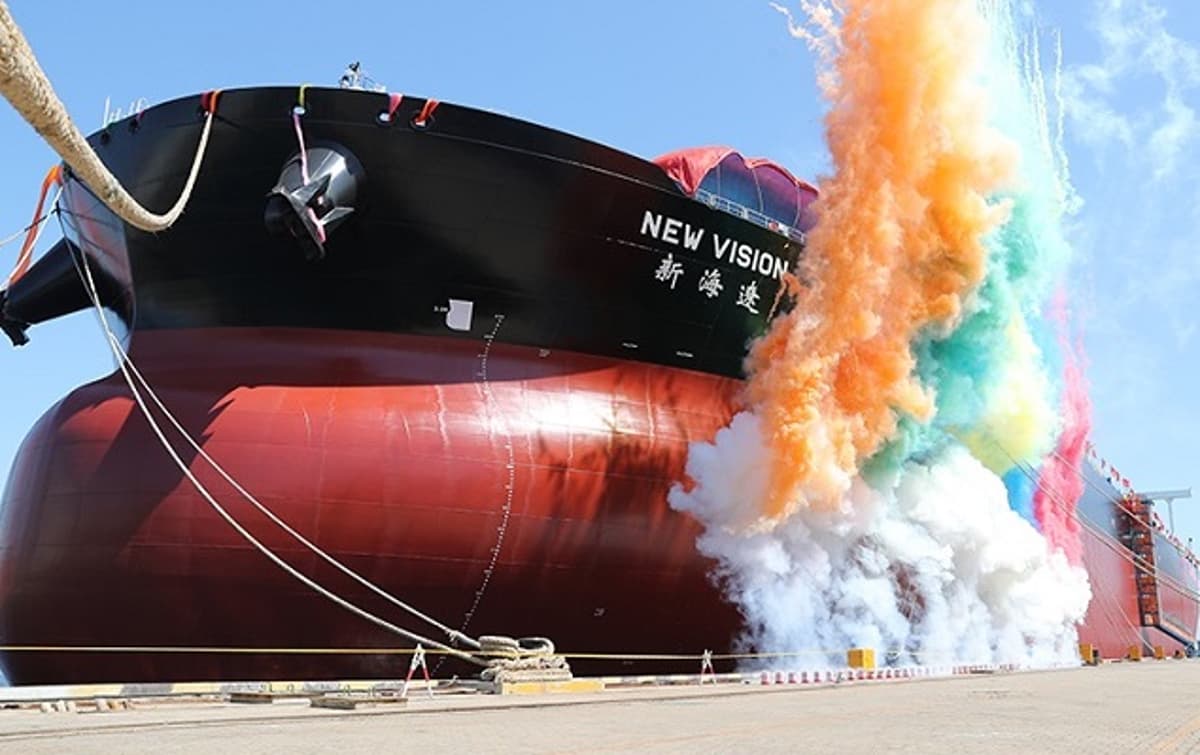
Fire Horse Freight Frenzy: VLCC Markets Smash Records in Supertanker Anniversary Year
•February 26, 2026
0
Why It Matters
Elevated VLCC rates signal a tightening oil‑transport market, boosting earnings for owners while pressuring charterers and reshaping global freight dynamics.
Key Takeaways
- •VLCC spot rates exceed $200k per day
- •Sinokor becomes VLCC market leader
- •Middle East tensions tighten supply
- •Brazilian freight outpaces US Gulf exports
- •One‑year charter rumored at $135k daily
Pulse Analysis
The fire‑horse year has become more than a cultural milestone; it coincides with a structural shift in the very‑large crude carrier (VLCC) market. Sinokor’s aggressive acquisition of tonnage over the past quarter has removed a significant portion of available vessels, granting owners unprecedented leverage. This supply squeeze, combined with a modest pipeline of newbuilds, has pushed daily charter rates into historic territory, prompting charterers to lock in contracts well ahead of schedule.
Demand drivers are equally compelling. Geopolitical friction in the Middle East has disrupted traditional routes, while producers in West Africa and Brazil are redirecting cargoes toward Asian refineries, where refining margins remain attractive. The resulting trade pattern reshuffle has elevated Brazilian freight above traditional US Gulf exports, creating new profit corridors for VLCC operators. Simultaneously, Saudi Arabia’s Bahri has demonstrated willingness to pay premium rates for timely deliveries, reinforcing the market’s upward momentum.
The implications extend beyond immediate pricing. Sustained high rates suggest the emergence of a genuine supercycle, encouraging owners to defer vessel disposals and consider further fleet expansion. However, charterers face heightened cost exposure, prompting them to explore alternative logistics or longer‑term contracts to hedge volatility. Stakeholders should monitor vessel orderbooks, geopolitical developments, and oil price trajectories, as any shift could quickly recalibrate the balance between supply and demand in the VLCC segment.
Fire Horse freight frenzy: VLCC markets smash records in supertanker anniversary year
0
Comments
Want to join the conversation?
Loading comments...