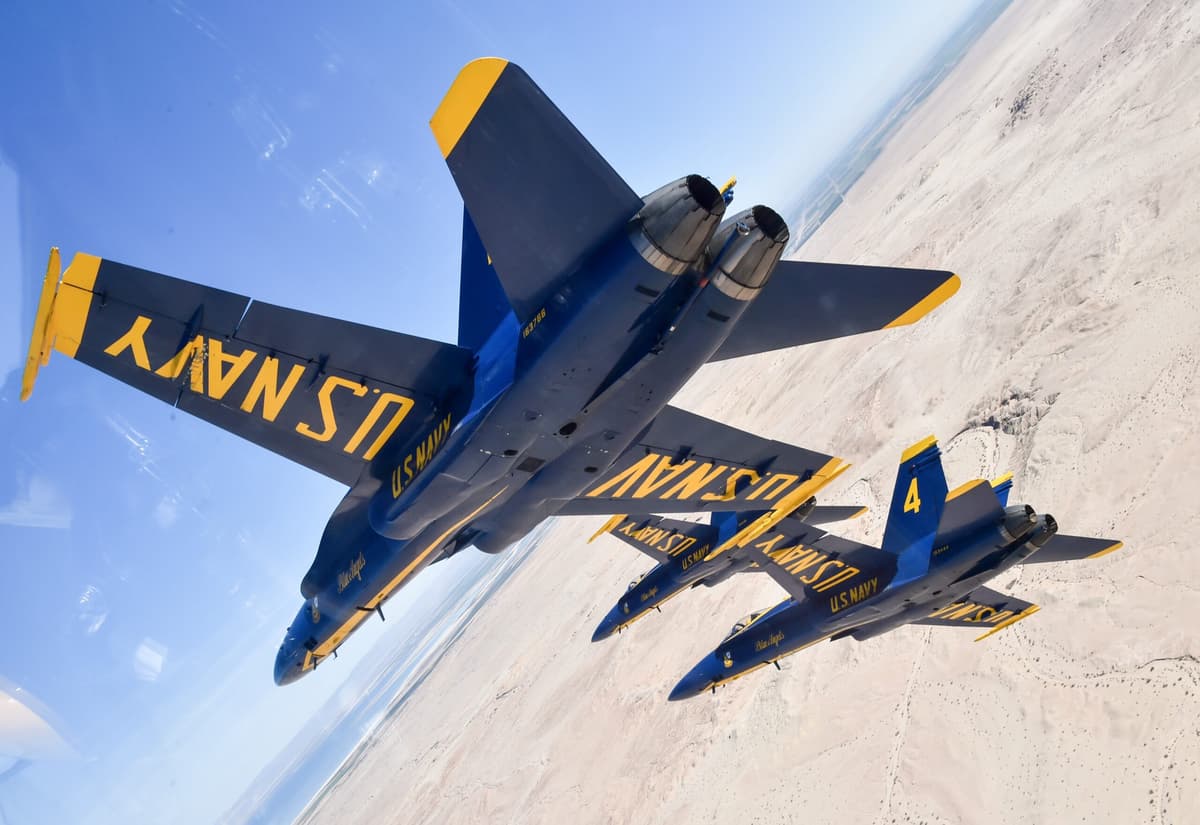
First Blue Angels Shows Canceled Over Security Concerns
•March 5, 2026
0
Why It Matters
The cancellations illustrate how geopolitical tensions directly constrain military public outreach, prioritizing safety over community engagement and revenue streams.
Key Takeaways
- •Two 2026 Blue Angels shows canceled over Iran conflict
- •Force Protection Condition Bravo activated at California bases
- •Refunds issued for premium seats; public disappointment noted
- •Season now resumes at NAS Meridian March 28‑29
- •Mirrors 2025 disruptions from government shutdown
Pulse Analysis
The decision to cancel the El Centro and Lemoore air shows reflects the Navy’s rapid shift to Force Protection Condition Bravo, a heightened alert status triggered by credible terrorist threats. By tightening perimeter security and limiting large‑scale public gatherings, the installations aim to safeguard personnel, equipment, and spectators amid escalating tensions with Iran. This precautionary stance is consistent with broader Department of Defense directives that prioritize force protection over ceremonial duties when strategic risks rise.
For the Blue Angels, the cancellations represent a significant operational and financial setback. Air shows generate substantial public‑relations value and ticket revenue, supporting the team’s outreach mission and community ties. Missing two early‑season events compresses the demonstration calendar, forcing the squadron to concentrate performances into fewer venues, such as the upcoming NAS Meridian show. The pattern of schedule disruptions—first in 2025 during a government shutdown and now due to geopolitical conflict—highlights the vulnerability of military entertainment programs to external policy and security pressures.
Beyond the immediate impact on the Blue Angels, these cancellations signal a broader trend where domestic military engagements are increasingly contingent on global security dynamics. As the United States intensifies operations abroad, home‑front events may face tighter restrictions, prompting defense planners to develop more flexible outreach strategies. Stakeholders, from sponsors to local economies that rely on air‑show tourism, must adapt to a landscape where security considerations can swiftly override traditional public‑event planning, reshaping the future of military‑public interaction.
First Blue Angels Shows Canceled Over Security Concerns
0
Comments
Want to join the conversation?
Loading comments...