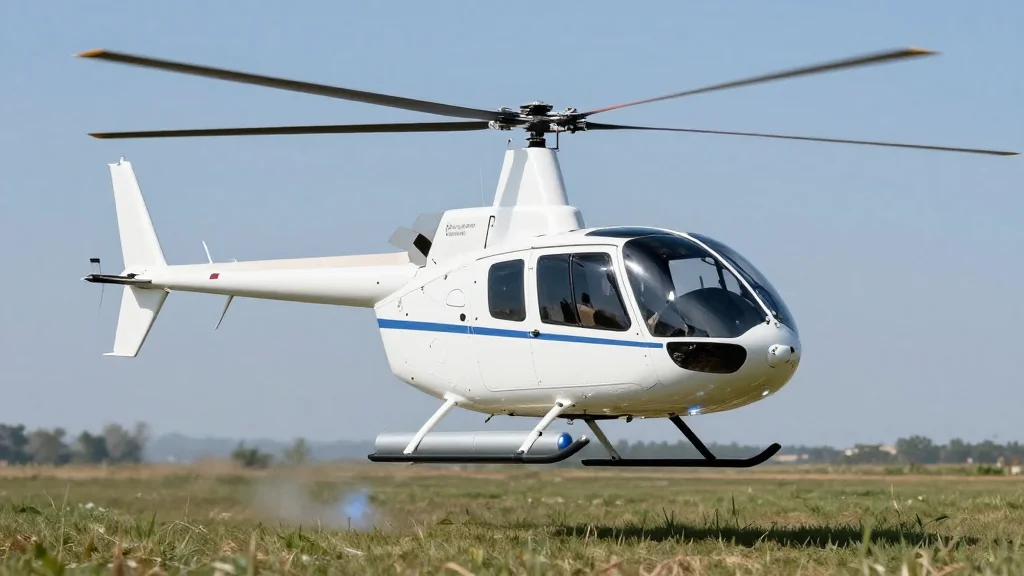
First Hydrogen Helicopter Just Proved It Can Fly a Real Mission
Companies Mentioned
Why It Matters
The flight validates hydrogen‑fuel‑cell propulsion as a viable, zero‑emission solution for time‑critical medical logistics, accelerating regulatory and industry momentum toward commercial vertical‑flight networks.
Key Takeaways
- •Unither's modified R44 completed full flight circuit using hydrogen power
- •Fuel cells supplied over 90% of 178 kW output; battery handled spikes
- •Target range 200‑250 nm with liquid hydrogen for organ transport missions
- •Competitors Piasecki, Hydroplane, Joby also pursuing hydrogen‑electric helicopters
- •Certification hurdles remain; FAA and Transport Canada developing new standards
Pulse Analysis
Hydrogen‑fuel‑cell propulsion is moving from laboratory demos to operational reality, and Unither Bioélectronique’s recent R44 flight is a vivid illustration. By swapping the traditional combustion engine for a compact electric power‑train that combines two PEM fuel cells with a lithium‑ion buffer, the aircraft generated 178 kW (239 hp) while keeping emissions at zero. The successful circuit—take‑off, climb, pattern, approach and landing—demonstrates that hydrogen can meet the dynamic power demands of rotorcraft, a critical step for regulators evaluating airworthiness under experimental permits.
The technical edge of hydrogen lies in its superior energy density. Current fuel‑cell stacks achieve about 2,900 W/kg, with industry targets of 4,500 W/kg by 2030, dwarfing the 380‑400 W/kg offered by the best lithium‑ion batteries. This translates into a projected 1.8‑2.2 times longer range for light helicopters, making a 200‑250 nautical‑mile mission—essential for organ transport—feasible when liquid hydrogen replaces compressed gas. The shift to liquid hydrogen also reduces tank volume, enabling payloads that can accommodate delicate medical cargo without sacrificing flight endurance.
The broader market is heating up. Piasecki’s PA‑890, Hydroplane’s modular 200‑kW drop‑in kit, and Joby Aviation’s 523‑mile liquid‑hydrogen air‑taxi all signal a competitive race toward certified, zero‑emission vertical flight. Yet certification remains the bottleneck; the FAA and Transport Canada are drafting new standards for high‑pressure storage, high‑voltage systems, and fuel‑cell safety. As regulators catch up, the convergence of proven technology, clear medical use‑cases, and growing investor interest suggests hydrogen helicopters could become a cornerstone of regional logistics and emergency response within the next decade.
First hydrogen helicopter just proved it can fly a real mission
Comments
Want to join the conversation?
Loading comments...