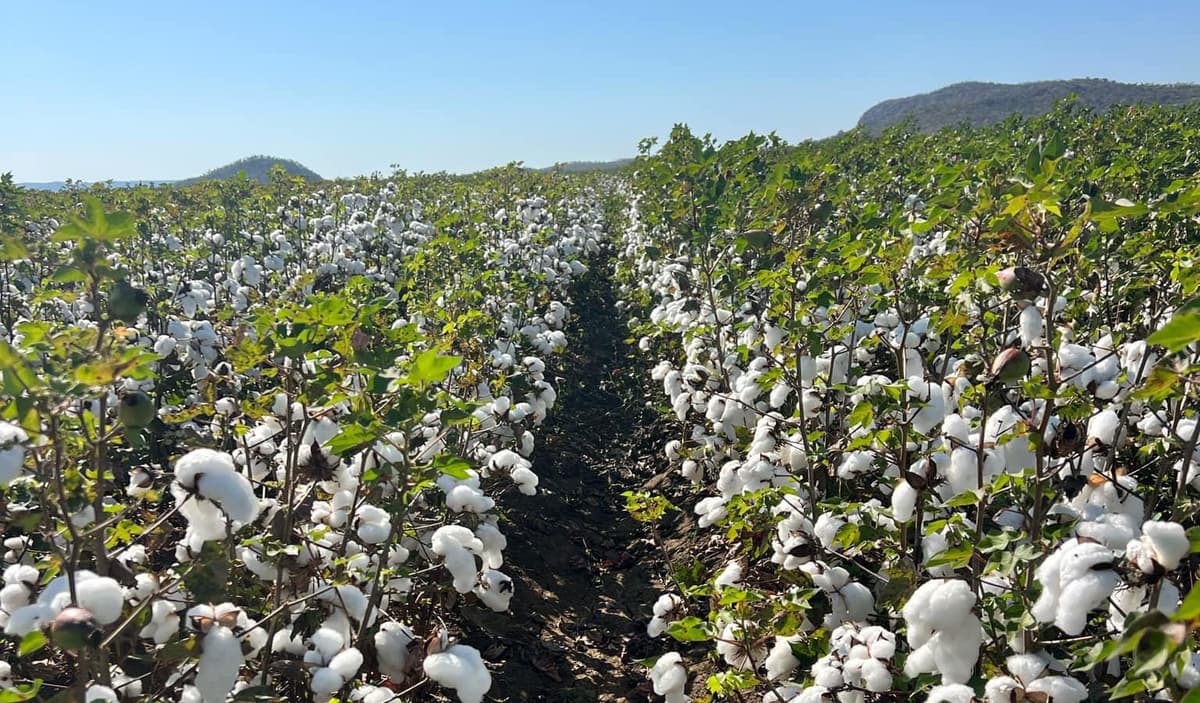
First Point of Entry Delay Hinders Ord Cotton Industry
Why It Matters
The added freight expense erodes profit margins for small cotton growers and could stall the development of a strategic agricultural hub in Northern Australia, undermining recent public and private investment.
Key Takeaways
- •FPOE approval for Port of Wyndham delayed until mid‑2027
- •Extra US$600 per container adds ~A$1 million (US$660k) cost
- •Growers face competition from cheaper Darwin and Katherine export options
- •$60 M (US$40 M) gin investment now at risk
- •Industry seeks WA freight‑equalisation to offset added costs
Pulse Analysis
The Ord Valley’s cotton ambition hinges on efficient export pathways, and the First Point of Entry designation for Port of Wyndham was meant to provide that. By allowing containers to clear customs on‑site, the port would match the rates of larger Australian terminals, justifying the $60 million (approximately US$40 million) gin construction and the broader regional supply chain. Without FPOE status, producers are forced to detour through Darwin, inflating logistics costs and complicating supply chain coordination for a crop that is still establishing its market foothold.
The regulatory hold‑up translates into a tangible US$600 surcharge per container, which, across an estimated 1,000 containers, imposes an extra A$1 million (about US$660,000) on growers. For a sector where average bale yields this season are projected at only 10,000 bales, such a cost increase is proportionally massive. Competing ports and the privately‑run Katherine gin have seized the opportunity, offering discounted rates that could lure growers away from the Kimberley hub. This competitive pressure threatens to dilute the return on the $60 million gin investment and could discourage further private capital in Northern Australia’s agricultural diversification.
Stakeholders are pressing the Western Australian government for a temporary freight‑equalisation scheme, effectively subsidising the differential between Wyndham and alternative ports. If approved, the measure would cushion small businesses from cost volatility, preserving the nascent cotton supply chain and supporting regional employment. More broadly, the situation underscores how bureaucratic delays can impede strategic infrastructure projects, highlighting the need for streamlined approvals to unlock the economic potential of remote agricultural corridors.
First Point of Entry delay hinders Ord cotton industry
Comments
Want to join the conversation?
Loading comments...