Fishermen Find Ukrainian-Made Naval Drone in Greek Island Cave
Why It Matters
The find highlights a new maritime threat vector—remote‑controlled sea drones that could target commercial shipping in a geopolitically sensitive region, prompting heightened security measures across the Mediterranean.
Key Takeaways
- •Ukrainian MAGURA V3 USV recovered in Greek cave
- •Drone equipped with three detonators, possibly loaded with explosives
- •Authorities suspect it targeted Russian oil tankers in Mediterranean
- •Investigation explores drift due to signal failure or shipment loss
- •Bomb squad dismantled drone, removing batteries and detonators
Pulse Analysis
The emergence of unmanned surface vehicles (USVs) has reshaped naval warfare, offering low‑cost, high‑impact options for asymmetric actors. Ukraine’s defense industry, spurred by wartime innovation, has produced models like the MAGURA V3 that can be weaponized for maritime sabotage. While most attention has focused on aerial drones, sea‑borne platforms present a stealthier, harder‑to‑detect threat, especially in congested waterways where civilian vessels share lanes with military traffic.
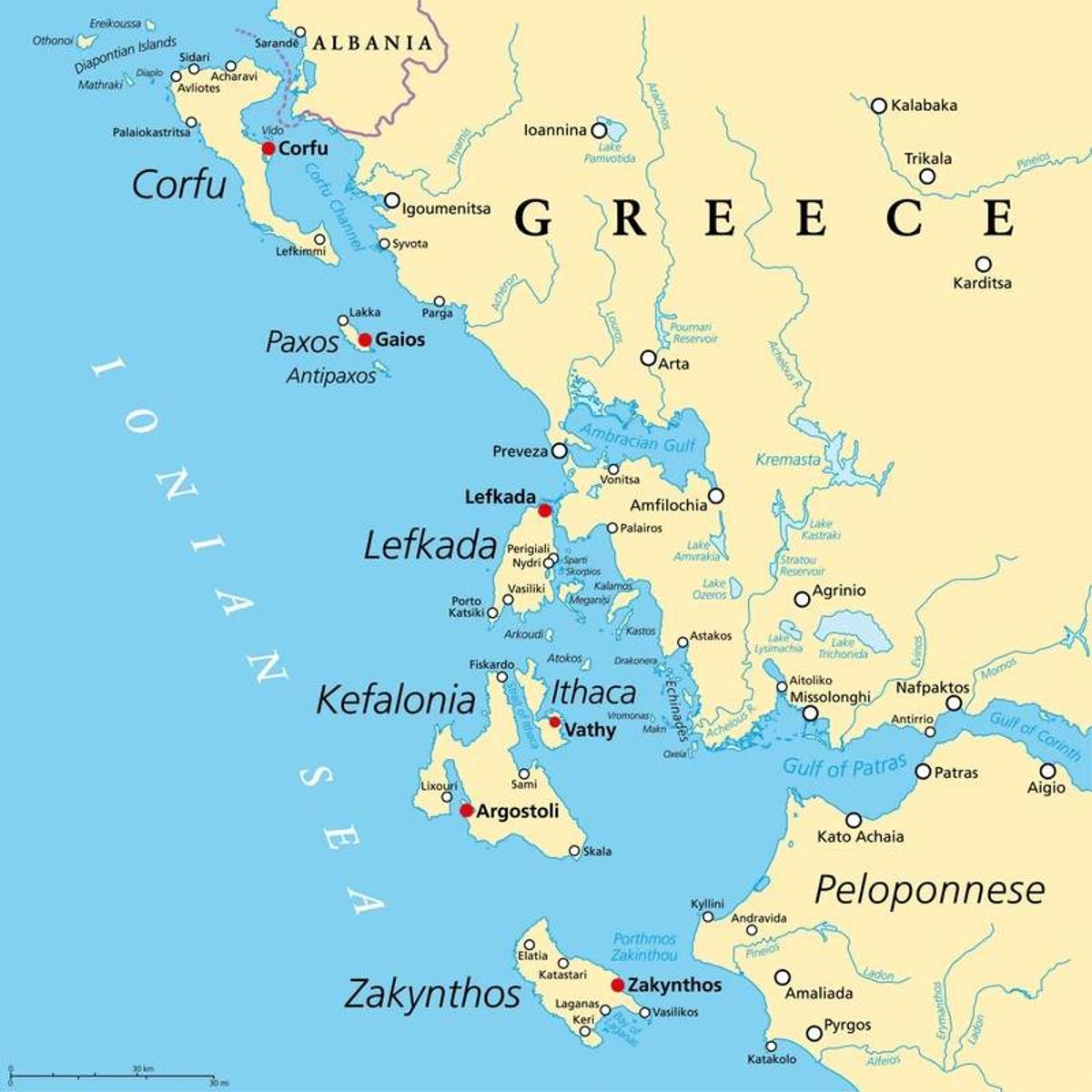
In the Lefkada incident, Greek coast guard and police teams responded swiftly after fishermen reported the drone hidden in a coastal cave. The device’s three detonators suggest a design for targeted explosions, potentially aimed at Russian‑flagged oil tankers that regularly refuel in the Mediterranean. If the drone was indeed intended for such attacks, it underscores a strategic effort to disrupt energy supply chains supporting Russia’s war effort. The discovery also raises questions about how the USV entered Greek waters—whether as part of a covert shipment, a lost asset, or a drift caused by a communications failure—each scenario carries distinct intelligence and diplomatic ramifications.
The broader implication for regional security is clear: maritime domains must adapt to the proliferation of cheap, autonomous weapons. Nations bordering the Mediterranean are likely to invest in advanced detection systems, electronic countermeasures, and cooperative patrols to mitigate the risk of USV‑borne attacks. Policy makers may also revisit export controls on dual‑use drone technology to prevent further diffusion. As the incident unfolds, it serves as a cautionary tale that the next wave of naval conflict could be fought not by ships, but by small, unmanned craft slipping through the cracks of traditional surveillance.
Fishermen Find Ukrainian-Made Naval Drone in Greek Island Cave
Comments
Want to join the conversation?
Loading comments...