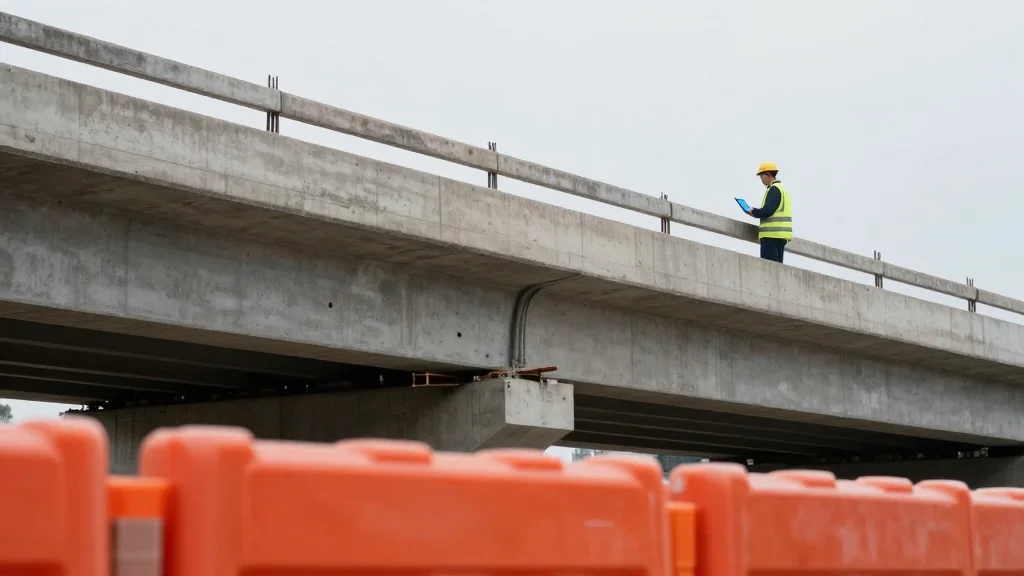
Five Forces Driving Up Road and Bridge Maintenance Costs
Why It Matters
The cost escalation threatens the reliability of America’s transportation network and forces policymakers to stretch limited funds, potentially compromising safety and economic competitiveness. Addressing the five cost drivers is essential to preserving mobility and avoiding deeper budget crises.
Key Takeaways
- •States face an $86 billion road‑bridge maintenance shortfall through 2034
- •Construction costs have surged 70% since 2020, outpacing fuel tax revenues
- •Project approvals can take 9–19 years, inflating budgets and delays
- •Understaffed DOTs rely on consultants, raising project costs up to fivefold
- •Inconsistent asset data prevents targeted spending, obscuring true maintenance needs
Pulse Analysis
The United States now ranks among the costliest nations for transportation construction, with projects often three times pricier than in comparable economies. A $86 billion maintenance gap, projected to persist through 2034, reflects decades of underinvestment that has left a massive backlog of deteriorating roads and bridges. Meanwhile, material prices, labor shortages, and heightened demand have driven construction costs up 70% since 2020, eroding the purchasing power of flat fuel‑tax revenues that traditionally fund state infrastructure.
Five interlocking forces amplify these financial pressures. First, the historic underfunding of asset upkeep means depreciation outpaces capital spending, creating a compounding maintenance deficit. Second, regulatory bottlenecks—environmental reviews and permitting—can stretch project timelines to 9‑19 years, inflating labor and material costs as assets age. Third, many state DOTs operate with skeletal staff, turning to costly external consultants; research shows a 1% loss of experienced engineers can raise costs by over 4%. Fourth, inconsistent data collection across states obscures true condition gaps, preventing efficient allocation of scarce dollars. Finally, rising construction inputs, from steel to skilled labor, have outstripped inflation, squeezing every dollar of new spending.
Policymakers are responding with a mix of strategic and tactical measures. Accelerated construction techniques, such as prefabricated bridge components, have delivered multi‑year savings—Utah’s I‑15 bridge program cut $260 million and finished two years early. States like Idaho and Montana demonstrate the power of robust asset inventories and transparent reporting to prioritize maintenance over costly rebuilds. Strengthening DOT staffing through competitive wages and targeted training can slash reliance on consultants, delivering up to 14% lower project costs. Leveraging federal tools like the FHWA’s Accelerated Construction Guide and recent permitting reforms can also trim timelines without sacrificing oversight. Together, these actions aim to reverse the cost spiral, safeguard the nation’s mobility, and protect the fiscal health of state transportation budgets.
Five Forces Driving Up Road and Bridge Maintenance Costs
Comments
Want to join the conversation?
Loading comments...