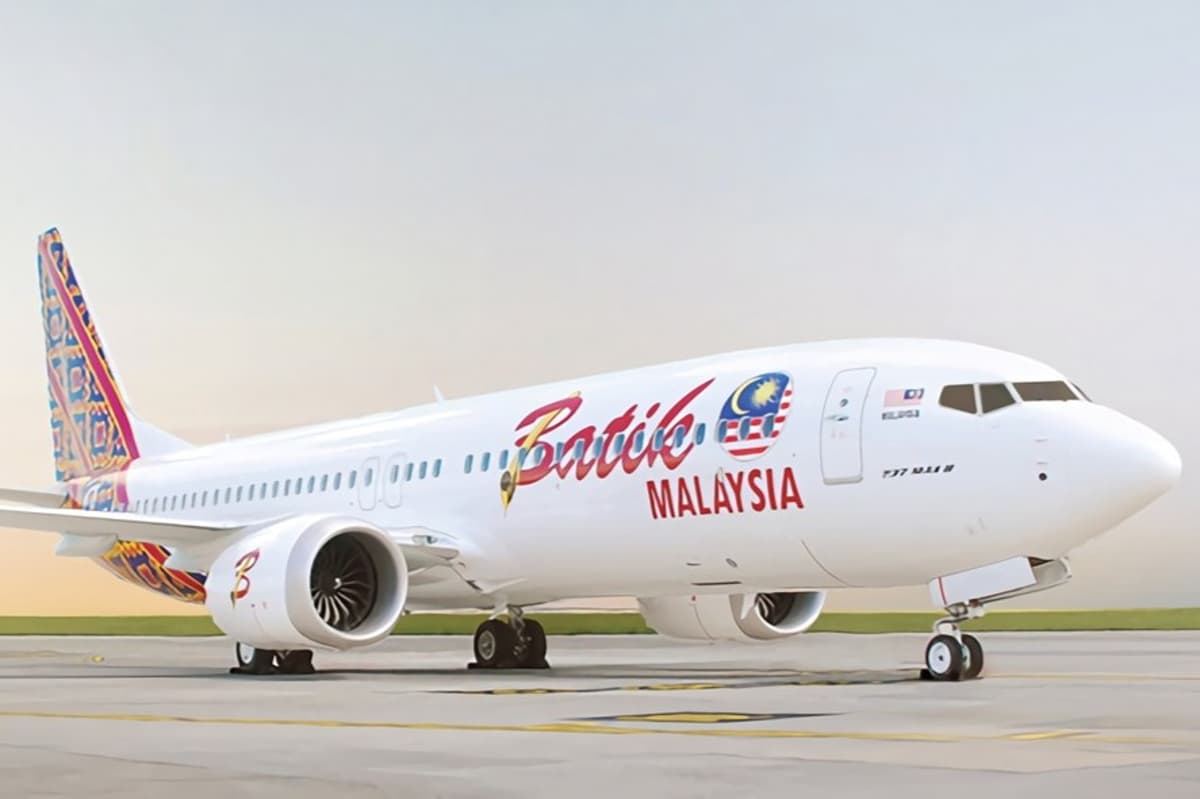
Fleet and Network Moves Will Position Batik Air Malaysia for Eventual Demand Rebound
Why It Matters
The strategy illustrates how a regional airline can preserve cash and workforce while positioning for rapid capacity expansion once fuel costs normalize, shaping Southeast Asia’s recovery dynamics.
Key Takeaways
- •Capacity cut by ~25% since Middle East conflict began
- •Fare hikes insufficient to fully offset higher fuel costs
- •No layoffs; staff encouraged to use paid or voluntary leave
- •Plans to maintain aircraft and add new planes this year
Pulse Analysis
The recent spike in jet fuel prices, driven largely by geopolitical tensions in the Middle East, has forced many carriers to reassess cost structures. For Batik Air Malaysia, the surge translated into a 25% reduction in both international and domestic capacity, a move that mirrors broader industry trends where airlines trim schedules to protect cash flow. Unlike some rivals that resorted to workforce reductions, Batik chose to preserve its talent pool, a decision that safeguards operational knowledge and reduces rehiring costs when demand recovers.
In response to the price shock, Batik Air raised ticket prices, yet the uplift fell short of covering the full fuel cost increase, highlighting the limited pricing power in a price‑sensitive market. The airline’s human‑resource approach—encouraging paid or voluntary leave rather than furloughs—helps maintain morale and readiness. Simultaneously, the carrier is accelerating scheduled heavy‑maintenance checks and sticking to its 2026 aircraft induction plan, ensuring that newer, more fuel‑efficient planes will be available as soon as the market steadies. These actions reflect a balanced focus on short‑term cost containment and long‑term fleet modernization.
Looking ahead, analysts expect the Middle East crisis to ease within the next 12‑18 months, which should bring fuel prices down and revive passenger demand across the region. Batik Air’s pre‑emptive maintenance and fleet expansion position it to quickly scale up capacity, potentially capturing market share from competitors still constrained by older, less efficient aircraft. For the Lion Group, this proactive stance could translate into stronger revenue growth and a more resilient network in the competitive Southeast Asian aviation landscape.
Fleet and network moves will position Batik Air Malaysia for eventual demand rebound
Comments
Want to join the conversation?
Loading comments...