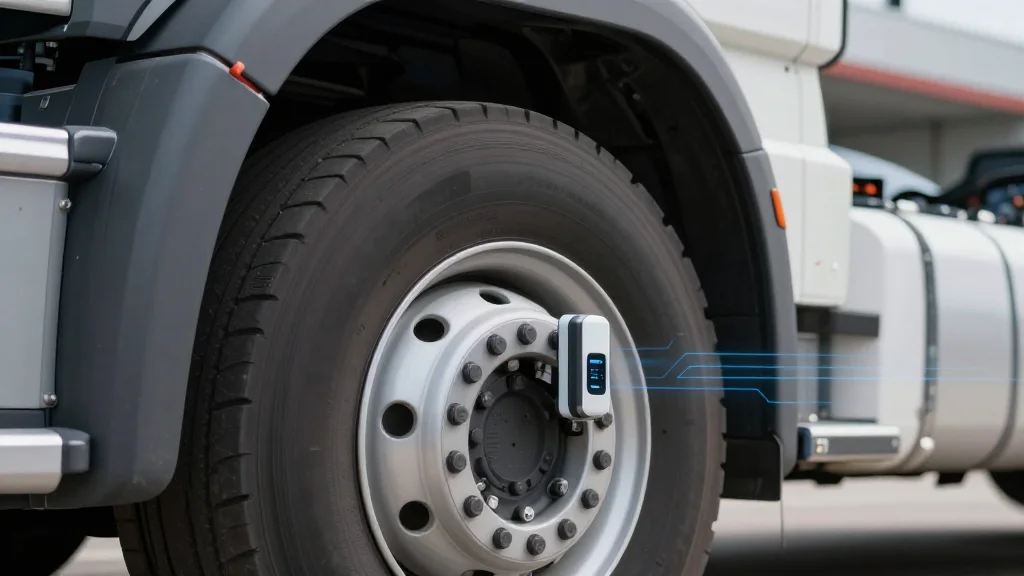
Fleet Myths That Limit Uptime
Why It Matters
Improved uptime directly reduces service disruptions, operational costs, and safety liabilities, giving fleets a competitive edge. Addressing these myths enables faster ROI on technology investments and stronger compliance.
Key Takeaways
- •Data abundance irrelevant without workflow integration
- •Outsourcing adds capability, not just cost savings
- •Retaining skilled technicians outweighs hiring more staff
- •Advanced tools require continuous technician training
- •Hybrid maintenance models deliver flexibility and control
Pulse Analysis
Uptime is no longer a back‑office statistic; it now serves as a leading indicator of financial performance and safety compliance across the transportation sector. When a vehicle is offline, revenue streams dry up, service level agreements are breached, and exposure to accidents rises. This heightened stakes environment has pushed fleet managers to treat uptime as a strategic asset, prompting a reevaluation of legacy maintenance models that were designed for less data‑rich, slower‑moving operations.
The abundance of telematics and sensor data alone does not guarantee better outcomes. The decisive factor is how quickly and consistently that data translates into actionable work orders. Companies that embed predictive insights into dispatch systems, automate parts ordering, and set clear performance metrics for both internal crews and outsourced partners see measurable gains in vehicle availability. Outsourcing, when framed as a capability bridge—providing specialized tools, analytics expertise, and extended service networks—helps close skill gaps without sacrificing control, especially when service level agreements are tightly defined.
Workforce dynamics remain the linchpin of any uptime strategy. High technician turnover erodes institutional knowledge, leading to rework and longer repair cycles. Investing in career development, mentorship, and continuous training ensures that advanced diagnostic tools are fully leveraged and that safety protocols are embedded in every maintenance decision. A hybrid approach—maintaining core competencies in‑house while tapping external expertise for peak demand—offers the flexibility needed to adapt to evolving regulatory pressures and market expectations, positioning fleets for sustained operational excellence.
Fleet Myths That Limit Uptime
Comments
Want to join the conversation?
Loading comments...