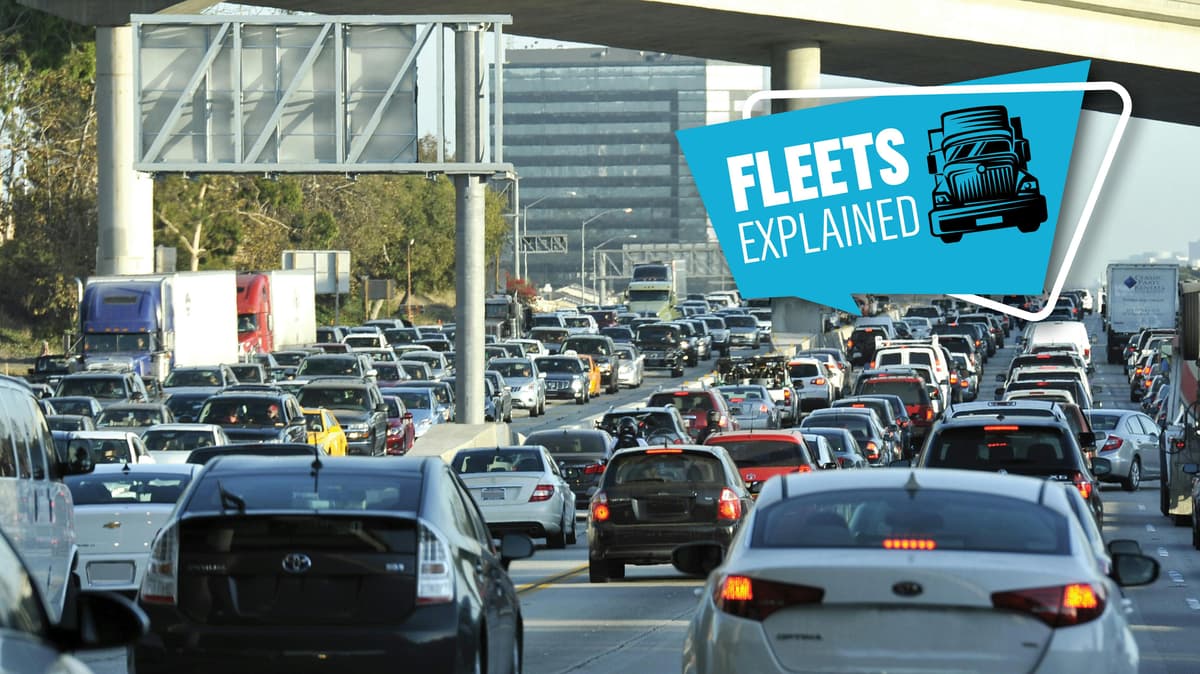
Fleets Explained: How Carriers Can Beat Traffic Congestion
Why It Matters
Escalating congestion directly squeezes carrier profitability and threatens supply‑chain reliability, driving rapid adoption of dynamic, data‑centric solutions.
Key Takeaways
- •2022 trucking congestion cost $108.8 billion, a 15% increase
- •Congestion wastes 6.4 billion diesel gallons, costing $32.1 billion
- •Drivers lose 1.2 billion hours annually, raising labor expenses
- •Real‑time telematics and AI improve routing and ETA accuracy
- •Pricing lanes by time, not mileage, offsets hidden congestion costs
Pulse Analysis
Traffic congestion has moved from a nuisance to a multi‑billion‑dollar liability for U.S. motor carriers. The ATRI report highlights that in 2022, congestion alone cost the industry $108.8 billion, driven by wasted fuel, accelerated equipment wear, and lost driver productivity. Those figures translate into higher freight rates, tighter delivery windows, and heightened pressure on already strained supply chains. As freight volumes climb and infrastructure ages, the cost of idle time becomes a critical competitive differentiator for carriers that can manage it.
In response, fleets are turning to technology that transforms static planning into a real‑time decision engine. Advanced telematics provide minute‑by‑minute visibility into vehicle location, speed, and idle time, allowing dispatchers to reroute trucks around emerging bottlenecks. AI and machine learning models ingest historical GPS data, weather patterns, and construction alerts to predict congestion hotspots and suggest optimal departure times. By shifting delivery windows away from peak traffic periods, operators reduce idle fuel burn and improve on‑time performance, which in turn bolsters customer satisfaction and driver morale.
Beyond tools, the industry is redefining profitability metrics. Instead of measuring success by miles driven, carriers now focus on revenue per driving hour, explicitly pricing lane time rather than distance. This approach ensures that hidden costs—such as port gate delays or dock wait times—are reflected in freight rates, protecting margins. Operational flexibility, including dynamic lane pricing and collaborative scheduling with shippers, further mitigates the impact of unforeseen disruptions. As congestion remains an immutable element of the road network, carriers that embed real‑time data, predictive analytics, and time‑based pricing into their core strategy will be best positioned to sustain profitability and service reliability.
Fleets Explained: How carriers can beat traffic congestion
Comments
Want to join the conversation?
Loading comments...