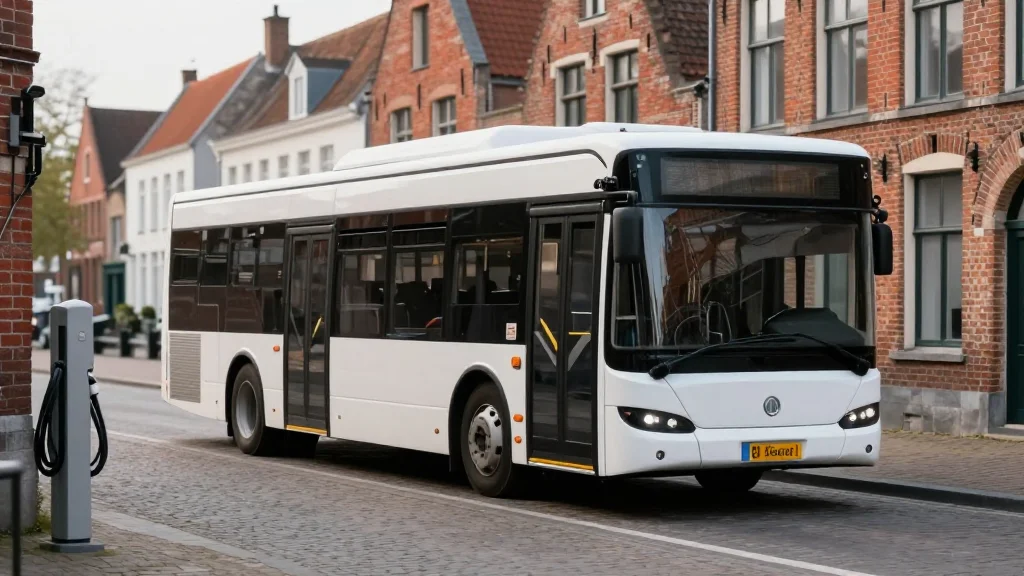
Flemish Transport Agency Deploys Its 1,000th Electric Bus
Why It Matters
The scale‑up accelerates Europe’s decarbonization of public transport and demonstrates a viable model for large‑fleet electrification, influencing policymakers and manufacturers.
Key Takeaways
- •De Lijn reached 1,000 electric buses, 2025 order topped 650
- •Goal: 3,800 e‑buses by 2035, fully diesel‑free fleet
- •Flemish government allocated €400 M (~$436 M) for bus purchases
- •1,400 drivers and 176 technicians trained on e‑bus systems
- •Predictive, data‑driven maintenance cuts downtime and repair costs
Pulse Analysis
De Lijn’s deployment of its 1,000th electric bus marks a decisive step in Flanders’ ambition to replace its entire diesel fleet within a decade. The agency’s 2025 procurement of more than 650 additional e‑buses, backed by a €400 million (approximately $436 million) grant from the Flemish government, underpins a target of 3,800 electric vehicles by 2035. This level of capital commitment not only funds the vehicles themselves but also finances the extensive charging network, grid upgrades and energy‑management software required to keep a city‑wide fleet running reliably.
Beyond the hardware, De Lijn is reshaping its workforce and maintenance philosophy. In 2025, 1,400 drivers completed specialized e‑bus training while 176 technicians earned electromechanical certifications, ensuring safe operation and rapid troubleshooting. The agency has also migrated from reactive repairs to predictive, data‑driven maintenance, leveraging real‑time diagnostics to anticipate component wear. Early results show reduced unscheduled downtime, lower parts inventory, and improved service punctuality, illustrating how digital tools amplify the economic case for electrified public transport.
The Flemish rollout offers a template for other European municipalities seeking large‑scale electrification. Government‑backed subsidies, combined with clear fleet‑wide targets, de‑risk private‑sector investment and accelerate manufacturing scale, benefiting bus makers such as BYD and VDL. Moreover, the anticipated decline in diesel emissions will improve urban air quality, cut noise pollution, and support EU climate objectives. As cities observe De Lijn’s progress, the model may spur similar financing structures and operational best practices, hastening the continent’s transition to zero‑emission mobility.
Flemish transport agency deploys its 1,000th electric bus
Comments
Want to join the conversation?
Loading comments...