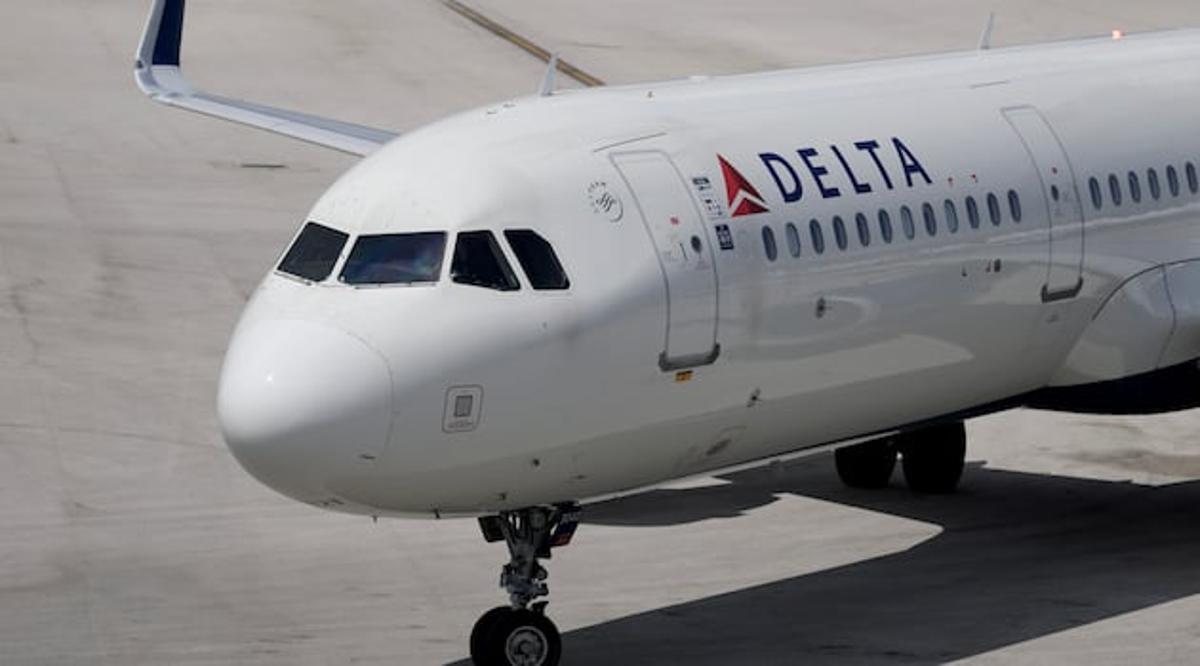
Flight with 275 Passengers Diverts to Dublin Airport After Engine Issue over Atlantic
Why It Matters
The diversion showcases the effectiveness of emergency protocols and highlights operational and reputational risks for airlines when engine issues arise on long‑haul routes.
Key Takeaways
- •Delta flight DL‑59 diverted to Dublin with 275 occupants
- •One A330 engine throttled back to idle, prompting emergency procedures
- •Dublin fire services performed external inspection, found minor smoke
- •Overweight landing increased brake temperature risk, but systems remained normal
- •Flight cancelled after landing; airline yet to comment
Pulse Analysis
On a typical transatlantic schedule, Delta Air Lines flight DL‑59 left London Heathrow for Boston before an engine anomaly forced a diversion to Dublin. At roughly 450 km west of Ireland, the crew reported that one of the twin‑engine Airbus A330‑941 had throttled back to idle, prompting the pilots to request emergency clearance. Dublin Airport activated its fire and rescue service, dispatching crews from multiple stations and the national ambulance service. The aircraft touched down safely at 12:54 p.m., where fire personnel conducted an external inspection and observed only a small amount of smoke.
The incident highlights the robustness of modern twin‑engine designs, which can continue flight on a single operating engine under strict certification standards. However, the decision to perform an overweight landing—necessary because the aircraft could not dump fuel over the ocean—raised concerns about brake temperature and potential fire hazards. Airbus A330 operators routinely monitor engine health through real‑time diagnostics, and airlines schedule preventive maintenance to mitigate such events. This case underscores the importance of rigorous pre‑flight checks and rapid decision‑making by flight crews when engine performance deviates from norms.
For Delta, the diversion added operational costs, disrupted passenger itineraries, and may affect brand perception in a competitive market. Dublin’s coordinated emergency response demonstrates the airport’s preparedness for rare but high‑impact events, reinforcing confidence among airlines that the hub can safely accommodate unscheduled arrivals. Regulators will likely review the incident to ensure compliance with FAA and EASA guidelines, while passengers increasingly expect transparent communication about safety incidents. As transatlantic traffic rebounds, airlines must balance efficiency with contingency planning to maintain reliability and trust.
Flight with 275 passengers diverts to Dublin Airport after engine issue over Atlantic
Comments
Want to join the conversation?
Loading comments...