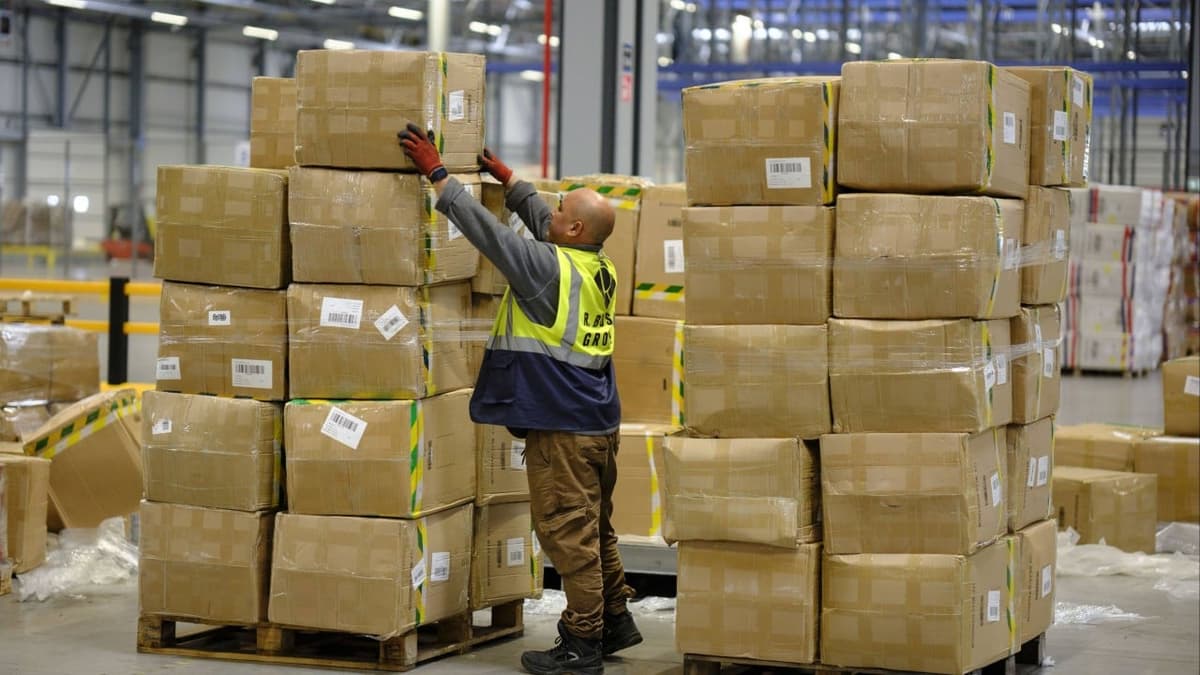
Flood of Small Parcels From China Pushes Belgian Airport’s Capacity to Limit
Why It Matters
The bottleneck threatens to delay goods entering the EU, raising costs for retailers and eroding consumer confidence in cross‑border e‑commerce. It also highlights regulatory gaps in handling low‑value, high‑volume shipments from China.
Key Takeaways
- •Over 4 million Chinese parcels land daily at Liège airport.
- •Customs staff limited to 80 inspectors, straining resources.
- •Many parcels fail EU compliance, causing inspection bottlenecks.
- •Airport capacity nearing limit, risking delays for European supply chains.
- •Belgian officials urge stricter export controls from China.
Pulse Analysis
The rapid rise of low‑value, high‑volume e‑commerce orders from China has reshaped European logistics, with Liège airport becoming a primary entry point for small parcels. These shipments, often under €50, bypass traditional freight channels and flood customs facilities that were designed for bulk cargo. The surge reflects both consumer demand for affordable Asian goods and the proliferation of online marketplaces that consolidate orders into individual packages, straining the airport’s infrastructure and prompting a reevaluation of capacity planning.
Customs officials in Belgium report that the 80‑person inspection team is insufficient to screen millions of parcels daily, especially when a significant portion fails to meet EU product standards for safety, labeling, and environmental compliance. Each non‑compliant item requires manual checks, generating queues that extend processing times and increase the risk of illegal goods slipping through. The bottleneck not only delays deliveries but also inflates operational costs for importers, who may face storage fees and penalties for late shipments. Authorities are exploring automation, risk‑based screening, and increased staffing as short‑term remedies.
Long‑term, the situation underscores a strategic tension in EU‑China trade. While the European market benefits from cheap consumer goods, the regulatory burden on customs grows as parcel volumes swell. Policymakers are considering tighter pre‑clearance protocols and collaborative standards with Chinese exporters to reduce non‑compliant shipments at the source. For businesses, adapting supply‑chain strategies—such as consolidating shipments or using alternative entry points—will be crucial to mitigate delays and maintain competitive pricing in a market increasingly defined by speed and compliance.
Flood of small parcels from China pushes Belgian airport’s capacity to limit
Comments
Want to join the conversation?
Loading comments...