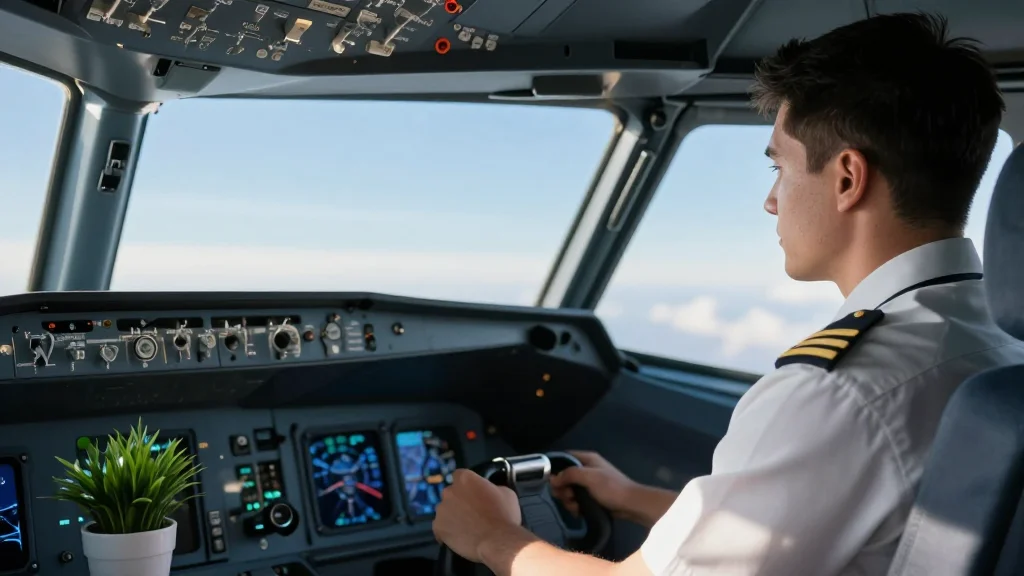
Flying Through Conflict Zones: The Hidden Mental Strain on Airline Crews
Companies Mentioned
Why It Matters
Mental fatigue directly erodes situational awareness, raising the risk of errors in an already high‑stakes environment. Recognizing and addressing crew stress safeguards both passenger safety and airline operational reliability.
Key Takeaways
- •ICAO issues first guidance linking mental health to aviation safety
- •Conflict‑zone reroutes add hours, fuel burn, and crew workload
- •Near‑miss incidents increase stress, fatigue, and decision‑making risk
- •Airlines urged to provide psychological support and stress‑recognition training
- •Transparent passenger communication adds operational complexity for carriers
Pulse Analysis
The International Civil Aviation Organization’s latest advisory marks a watershed moment, shifting mental health from a peripheral wellness issue to a central pillar of aviation safety. By codifying stressors such as evolving threat alerts, congested reroutes, and the anxiety of incomplete intelligence, ICAO forces airlines to embed psychological resilience into their safety management systems. This move aligns with broader industry trends that treat human factors as integral to risk mitigation, echoing lessons from past tragedies like MH17 and PS752 where uncertainty compounded operational pressure.
Airlines are now confronting tangible operational costs alongside the human toll. Detours around Eastern Europe, the Middle East, and North Africa can add several hours to flight times, increase fuel consumption, and compress already tight air corridors. The added workload amplifies fatigue, especially on long‑haul routes where crews already battle circadian disruption. Consequently, carriers are compelled to invest in mental‑health resources, from on‑board counseling hotlines to structured debriefings after near‑miss events, to preserve decision‑making acuity and maintain safety margins.
Beyond the cockpit, passenger expectations are evolving. Travelers increasingly demand transparency about route changes and the safety measures in place, forcing airlines to balance operational secrecy with public reassurance. Effective communication not only mitigates passenger anxiety but also reduces crew stress by clarifying the rationale behind reroutes. As geopolitical flashpoints persist, the industry’s ability to sustain mental resilience will be a decisive factor in preserving the world’s record of aviation safety.
Flying Through Conflict Zones: The Hidden Mental Strain on Airline Crews
Comments
Want to join the conversation?
Loading comments...