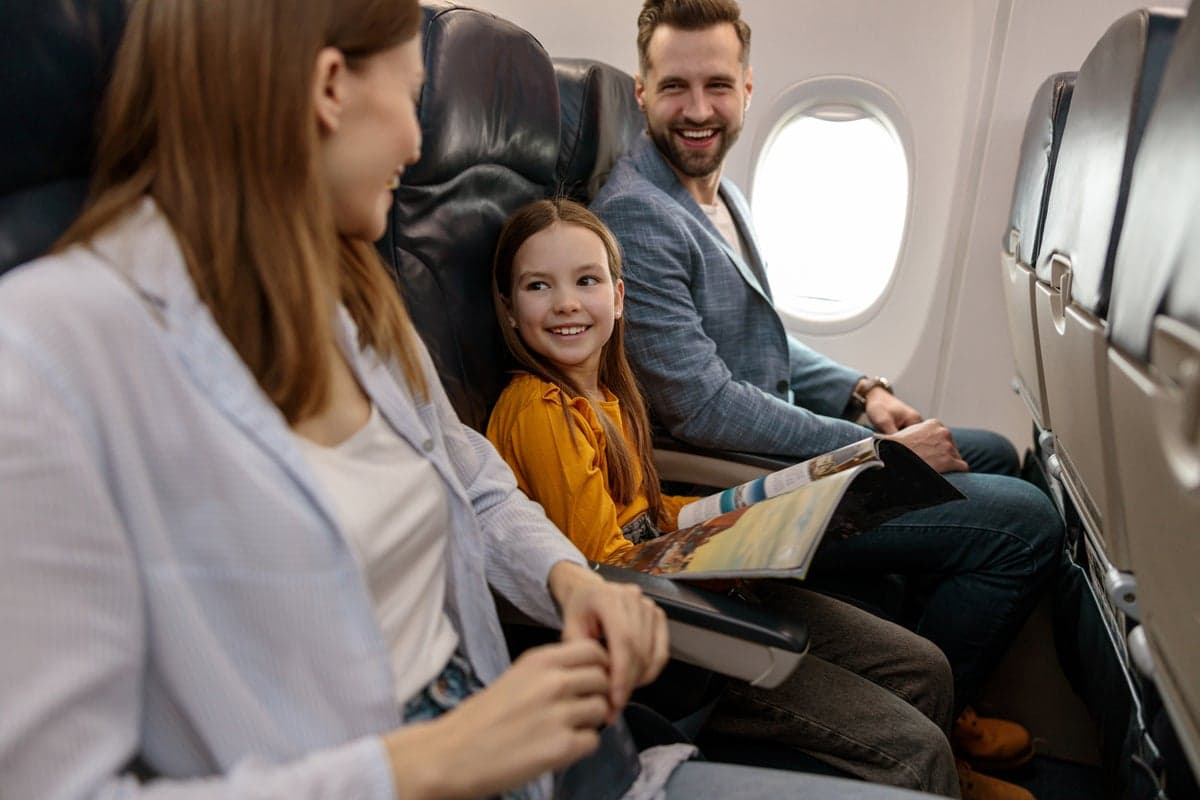
Flying with Kids Is a Seating Gamble. Should U.S. Airlines Fix It?
•March 10, 2026
0
Why It Matters
The absence of guaranteed family seating creates safety risks and potential legal exposure while eroding passenger satisfaction, pressuring regulators and airlines to revisit seating policies.
Key Takeaways
- •Southwest moved from open to assigned seating in Jan 2026.
- •No federal law forces airlines to seat families together.
- •Paid seat assignments often fail after aircraft reconfigurations.
- •Separate seating raises safety and liability concerns for airlines.
- •Early paid seat selection remains most reliable family travel option.
Pulse Analysis
Airlines have turned seat selection into a lucrative ancillary revenue stream, and Southwest’s recent move from open‑seating to assigned seats underscores how that model can clash with family travel needs. While most carriers now charge for adjacent seats, the practice is not uniform; basic‑economy fares often exclude seat assignment entirely, leaving parents to hope the airline’s algorithm groups them together. The lack of a federal requirement means airlines can prioritize revenue over passenger convenience, and last‑minute aircraft swaps can scramble even paid reservations, turning a seemingly secure purchase into a gamble.
Beyond inconvenience, separating children from parents raises concrete safety and legal concerns. In an emergency evacuation, a child seated far from a guardian may be unable to follow instructions, slowing egress and increasing injury risk. Lawyers argue that airlines, as common carriers, owe a heightened duty of care; documented breaches—such as failing to honor paid adjacent seating—could expose carriers to breach‑of‑contract and negligence claims, especially if a child suffers harm or assault while isolated. This liability angle adds pressure on airlines to adopt clearer, enforceable family‑seating policies, even absent legislation.
For travelers, the pragmatic solution remains early purchase of assigned seats, which creates a contractual paper trail and strengthens any legal claim if the airline reneges. Parents should also contact gate agents promptly, avoid separate reservations, and consider child‑passenger safety services for guidance. While Congress continues to deliberate on a bill that would ban extra fees for family seating, the market currently rewards airlines that voluntarily guarantee adjacent seats, making proactive booking the most reliable way to ensure a smoother, safer flight experience for families.
Flying with kids is a seating gamble. Should U.S. airlines fix it?
0
Comments
Want to join the conversation?
Loading comments...