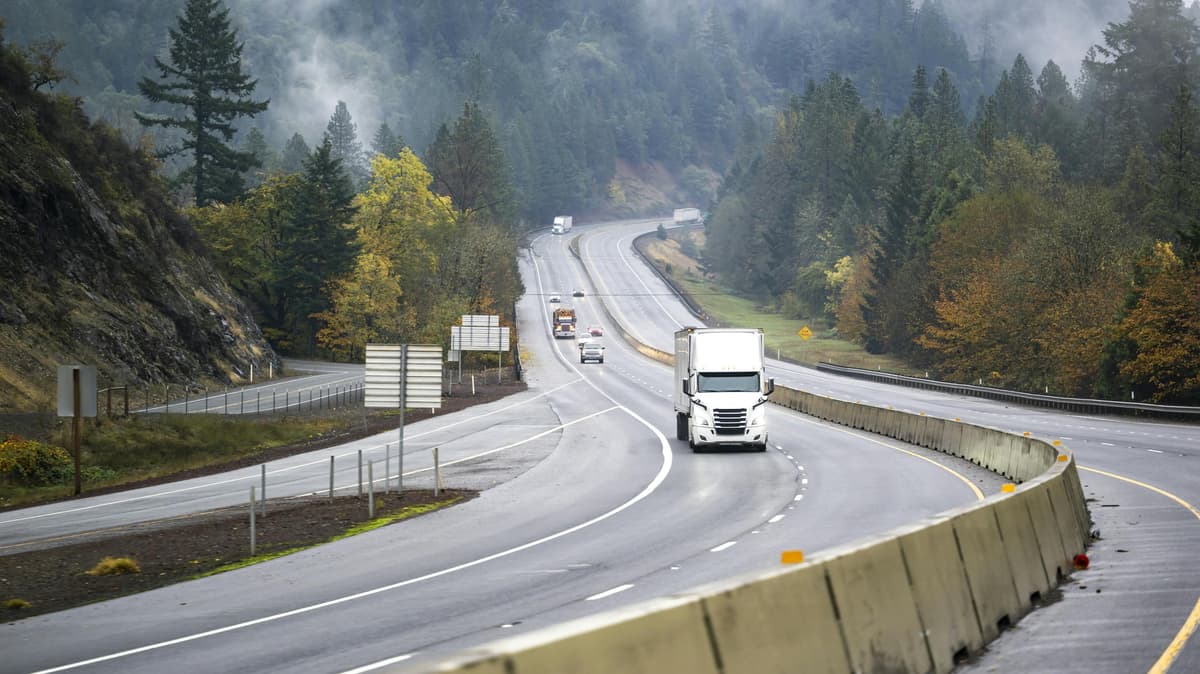
Fontana: 9 Practical Ways to Improve Your Fleet's MPG
Why It Matters
Improving fleet MPG directly cuts one of the largest expense categories for logistics firms, enhancing profitability and competitiveness amid volatile fuel markets. The guidance offers a practical roadmap for owners to achieve sustainable cost reductions without sacrificing service levels.
Key Takeaways
- •Driver training can boost fleet MPG from 7 to over 10
- •Telematics data enables real‑time coaching for fuel‑efficient driving
- •Reducing idle time saves ~0.8 gallons per hour per truck
- •Back‑haul optimization cuts empty miles, improving overall fuel use
- •Preventive maintenance ensures engines run at peak efficiency
Pulse Analysis
Rising diesel prices have forced transportation executives to scrutinize every lever that influences fuel consumption. With a gallon of diesel now exceeding $5, fuel can represent 30 % or more of a truck’s total operating cost, making miles‑per‑gallon a critical performance metric. Companies that elevate their fleet’s MPG not only shield themselves from price volatility but also gain a competitive edge in pricing bids, as lower fuel spend translates into tighter freight rates for customers.
Driver behavior remains the most accessible lever for immediate gains. Studies show that disciplined acceleration, consistent cruising speeds, and eliminating unnecessary idling can improve fuel efficiency by up to 15 %. Modern telematics platforms capture these variables in real time, allowing managers to coach under‑performing drivers and reward those who meet fuel‑economy targets. Features such as automatic engine shut‑off, idle timers, and cruise‑control enforcement further automate best‑practice driving, reducing reliance on manual oversight.
Beyond the cab, strategic routing and back‑haul optimization unlock hidden mileage savings. Advanced route‑planning software evaluates traffic patterns, delivery windows, and load consolidation opportunities to trim empty miles. Pairing this with proactive maintenance—regular tire inflation checks, engine tune‑ups, and filter replacements—ensures trucks operate at peak efficiency. When these tactics are combined, fleets routinely achieve double‑digit MPG, delivering a measurable ROI that offsets higher fuel prices and strengthens long‑term profitability.
Fontana: 9 practical ways to improve your fleet's MPG
Comments
Want to join the conversation?
Loading comments...