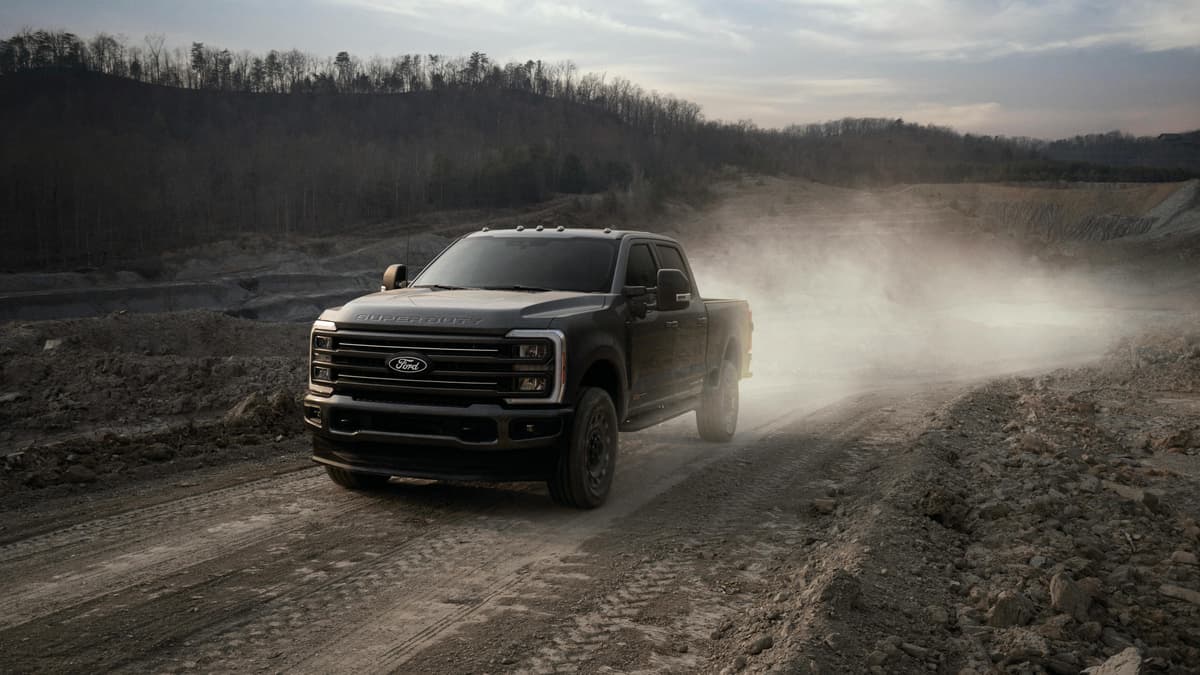
Ford and Carhartt Collaborate to Build a Truck Honoring the Working Class
Why It Matters
The partnership unites two iconic American brands, strengthening Ford’s appeal to fleet buyers and reinforcing Carhartt’s reach beyond apparel. It showcases how co‑branding can create niche products that drive loyalty and differentiate in a crowded pickup market.
Key Takeaways
- •Ford Super Duty Carhartt edition launches 2027 XLT crew cab
- •20‑inch wheels echo Detroit manhole‑cover design
- •Duck‑canvas seat covers boost abrasion resistance
- •Six exterior colors, including new Neptune Blue
- •Targeted at tradespeople and fleet operators seeking durability
Pulse Analysis
The Ford‑Carhartt alliance taps into a growing trend of lifestyle‑driven co‑branding, where automotive manufacturers partner with heritage apparel labels to deepen emotional connections with consumers. Both brands share a Detroit origin and a century‑long reputation for ruggedness, making the partnership a natural fit for the U.S. work‑wear market. By embedding Carhartt’s visual language—stitching, canvas textures, and industrial‑inspired accents—into the Super Duty platform, Ford creates a vehicle that feels like an extension of the wearer’s gear, not just a mode of transport.
From a product standpoint, the 2027 Super Duty Carhartt edition is more than a badge swap. Engineers selected commercial‑grade materials, soil‑repellent fabrics, and reinforced floor mats to meet the demands of construction sites, farms, and fleet services. The 20‑inch wheels, styled after Detroit’s iconic manhole covers, signal durability while maintaining on‑road performance. Interior color palettes of muted earth tones hide dirt, and the duck‑canvas seat covers provide abrasion resistance that aligns with Carhartt’s core promise. These functional upgrades appeal to fleet managers looking for lower total‑ownership costs and to individual owners who value longevity.
Commercially, the collaboration could boost Ford’s share in the heavy‑duty segment, a market where brand loyalty is high but differentiation is limited. By leveraging Carhartt’s strong following among tradespeople, Ford gains direct access to a demographic that prioritizes durability over flash. The limited‑run nature of the edition also creates scarcity, encouraging early adoption and media buzz. If sales meet expectations, the model may pave the way for further cross‑industry partnerships, reinforcing the notion that utility and branding can coexist profitably in the modern automotive landscape.
Ford and Carhartt collaborate to build a truck honoring the working class
Comments
Want to join the conversation?
Loading comments...