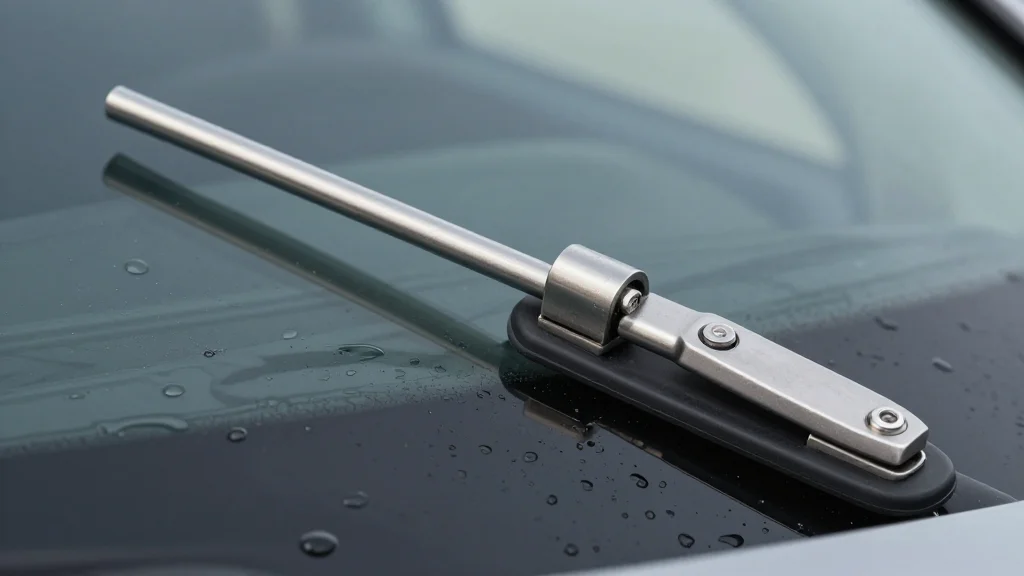
Ford Issues Another Big Recall Affecting 420,000 Vehicles
Why It Matters
The recall targets a critical visibility component, and widespread wiper failure could jeopardize driver safety in adverse weather. It also highlights supply‑chain quality lapses that can trigger costly, brand‑impacting recalls for major automakers.
Key Takeaways
- •422,613 Ford, Super Duty, Expedition, Navigator recalled for wiper defect
- •Faulty wiper retention plates can strip splines, causing detachment
- •No injuries reported despite over 1,500 warranty claims
- •Ford's 2024 NHTSA consent order prompted expanded recall
- •27th recall in 2026 underscores ongoing quality challenges
Pulse Analysis
The latest Ford recall underscores how a seemingly minor component—windshield wipers—can become a safety liability when design or manufacturing tolerances slip. The affected models span three model years of the Expedition SUV, Super Duty pickups, and the Lincoln Navigator, all of which rely on Trico‑produced wiper assemblies. When the retention plates are improperly staked, the splines that lock the blade to the arm can wear down, leading to erratic operation or complete detachment, a serious risk during rain or snow.
Regulatory scrutiny played a pivotal role in surfacing the defect. As part of a 2024 consent order with the National Highway Traffic Safety Administration, Ford audited recalls up to three years old and uncovered a spike in warranty claims for the Expedition and Navigator. This data-driven review prompted an expansion of the recall to include the Super Duty line after additional field reports surfaced. While no injuries have been reported, the 1,538 warranty claims illustrate how latent defects can accumulate before reaching a tipping point, pressuring manufacturers to act swiftly to preserve consumer trust.
For owners, the recall means a free inspection and replacement of the wiper assemblies, with notifications slated for April. Industry analysts view the incident as a reminder that supply‑chain oversight remains a critical risk factor for automakers, especially as they juggle complex component networks. Ford’s 27th recall this year may signal broader quality challenges, prompting competitors to reassess their own component sourcing strategies and reinforcing the importance of proactive safety monitoring in an increasingly regulated automotive landscape.
Ford Issues Another Big Recall Affecting 420,000 Vehicles
Comments
Want to join the conversation?
Loading comments...