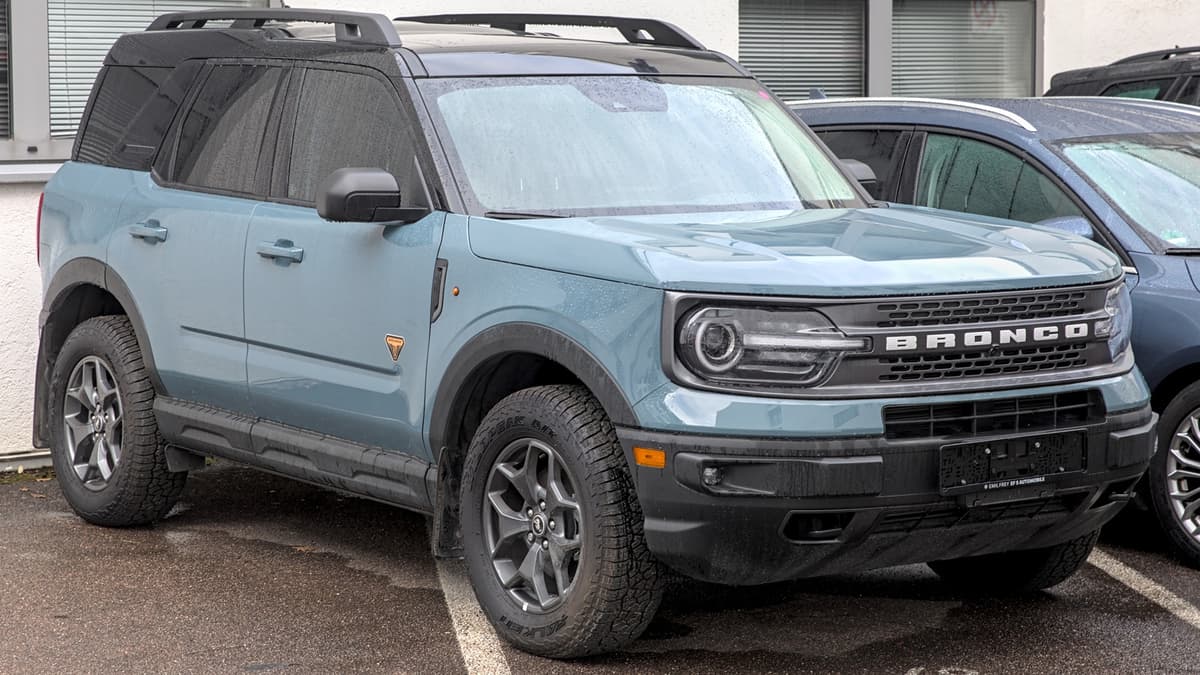
Ford Patented A Smart Car Door That 'Brakes' Before It Hits Anything
•March 9, 2026
0
Why It Matters
The innovation could reduce door‑injury claims and help manufacturers meet tightening safety regulations, especially as hidden‑handle bans gain traction globally.
Key Takeaways
- •Ford patents door brake using sensors and mechanical actuation
- •System aims to stop doors before contact, reducing injuries
- •Recall of Kia doors highlights need for fail‑safe mechanisms
- •China bans hidden handles, pushing mechanical safety solutions
- •Adoption uncertain; may influence future vehicle safety standards
Pulse Analysis
Ford’s patented smart door leverages a blend of electronic sensing and a traditional mechanical brake to address a niche yet real safety concern. Accelerometers gauge the door’s opening velocity while proximity sensors scan the surrounding space. When a potential collision is detected, a small assembly of levers, springs and brake pads engages, arresting the door’s motion. This hybrid approach sidesteps the pitfalls of purely electronic actuation, which can suffer from software glitches or power loss, and offers a tangible fail‑safe that can be calibrated to intervene only when necessary, preserving user convenience.
Recent industry incidents underscore the urgency of such solutions. Kia’s 2023 recall of over 50,000 Carnival minivans due to power‑sliding doors resulted in injuries, prompting a software fix that still left safety gaps. Meanwhile, China’s upcoming ban on concealed door handles—sparked by multiple fatalities linked to Tesla’s design—mandates mechanical release mechanisms by 2027. These regulatory pressures, combined with consumer expectations for robust safety, are driving automakers to reconsider purely electronic door systems and explore hybrid safeguards like Ford’s brake‑enabled door.
If Ford moves from patent to production, the technology could set a new benchmark for door safety across the sector. Early adopters may gain a competitive edge in markets with strict safety standards, while suppliers could see demand for specialized brake components. However, cost, integration complexity, and the need to avoid nuisance activation present hurdles. Should the system prove reliable and cost‑effective, it may catalyze broader industry adoption, influencing future vehicle design standards and potentially reshaping how manufacturers balance electronic convenience with mechanical reliability.
Ford Patented A Smart Car Door That 'Brakes' Before It Hits Anything
0
Comments
Want to join the conversation?
Loading comments...