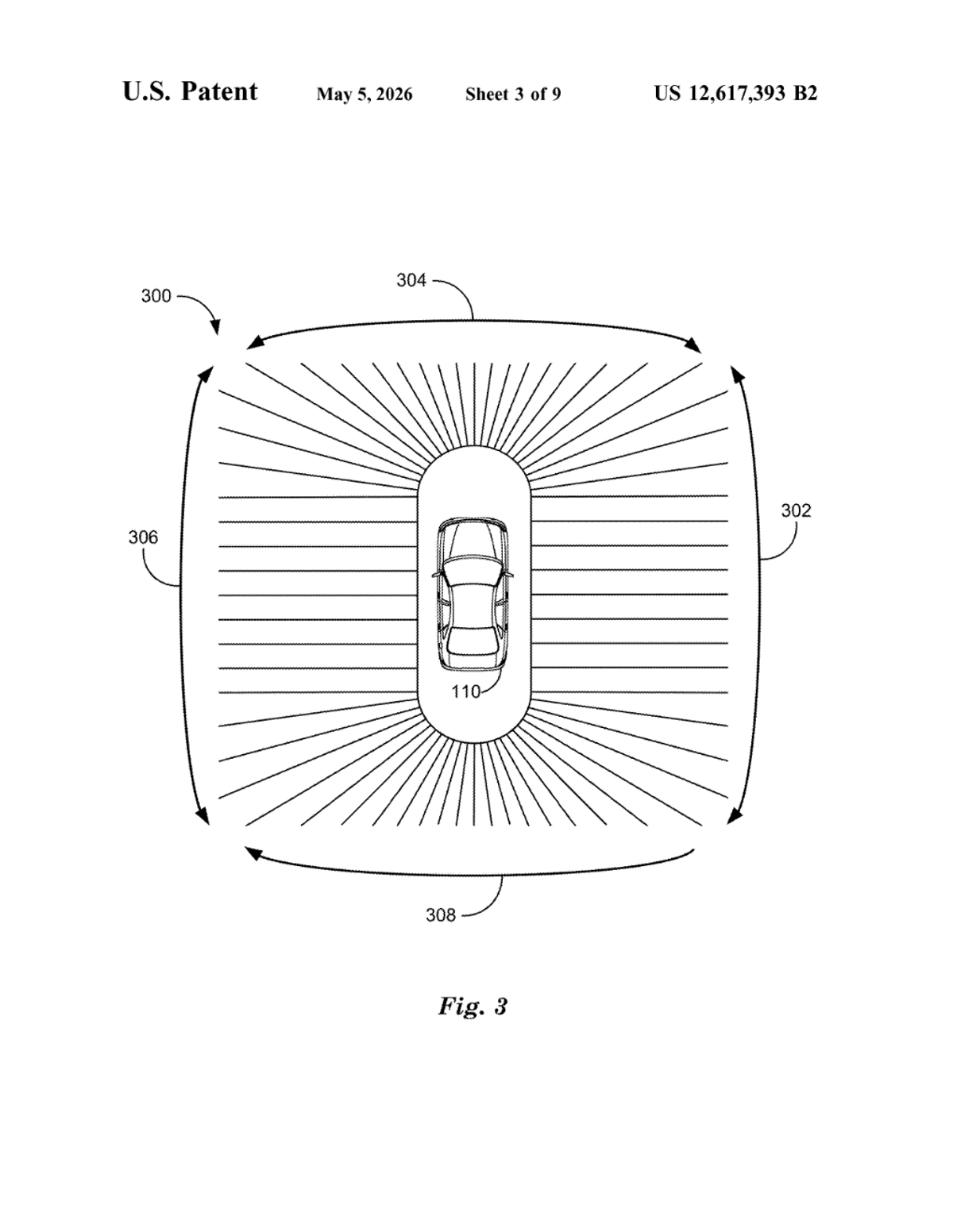
Ford Patents Technology That Could Let Parked Cars Move On Their Own to Avoid Impacts
Why It Matters
By protecting vehicles while unattended, the technology could cut parking‑lot damage costs and force insurers and regulators to rethink liability for unmanned vehicle actions.
Key Takeaways
- •Ford patents autonomous evasive system for parked cars
- •Sensors assess threat level and issue warnings before moving
- •System records video if collision unavoidable for post‑incident analysis
- •Could lower parking‑lot claim costs and reshape liability
- •Regulators must address unmanned vehicle repositioning rules
Pulse Analysis
The patent reflects a broader trend of moving safety functions from driver‑assisted to fully autonomous domains. Advances in lidar, radar, and edge computing now enable real‑time object tracking even when a vehicle is idle. By integrating threat‑level algorithms with precise actuation, manufacturers can create a self‑protecting platform that reacts faster than a human could notice a stray shopping cart or errant bicycle. This evolution mirrors the industry’s shift from basic crash avoidance to proactive damage mitigation.
For owners and fleet operators, an autonomous evasive system promises tangible financial upside. Parking‑lot dents, bumper scratches, and minor collisions account for billions in annual insurance payouts. A vehicle that can detect an imminent impact and relocate itself could reduce claim frequency, lower premiums, and improve asset utilization. Moreover, the built‑in video logging offers insurers reliable evidence, streamlining the claims process and deterring fraudulent reports. As urban density rises, such capabilities become increasingly valuable for shared‑mobility services and corporate fleets.
However, deploying self‑moving cars without a driver raises complex regulatory and liability questions. Existing traffic codes assume a human operator is in control; granting a vehicle the authority to reposition itself may require new statutes on unmanned vehicle behavior, safe maneuvering space, and data privacy. Technical hurdles—such as ensuring sufficient clearance and preventing unintended movements—must also be addressed. Consumer acceptance will hinge on transparent safety standards and clear communication about when and how the system intervenes. While the patent marks a significant step, widespread adoption will likely unfold over several model years as standards evolve.
Ford Patents Technology That Could Let Parked Cars Move On Their Own to Avoid Impacts
Comments
Want to join the conversation?
Loading comments...