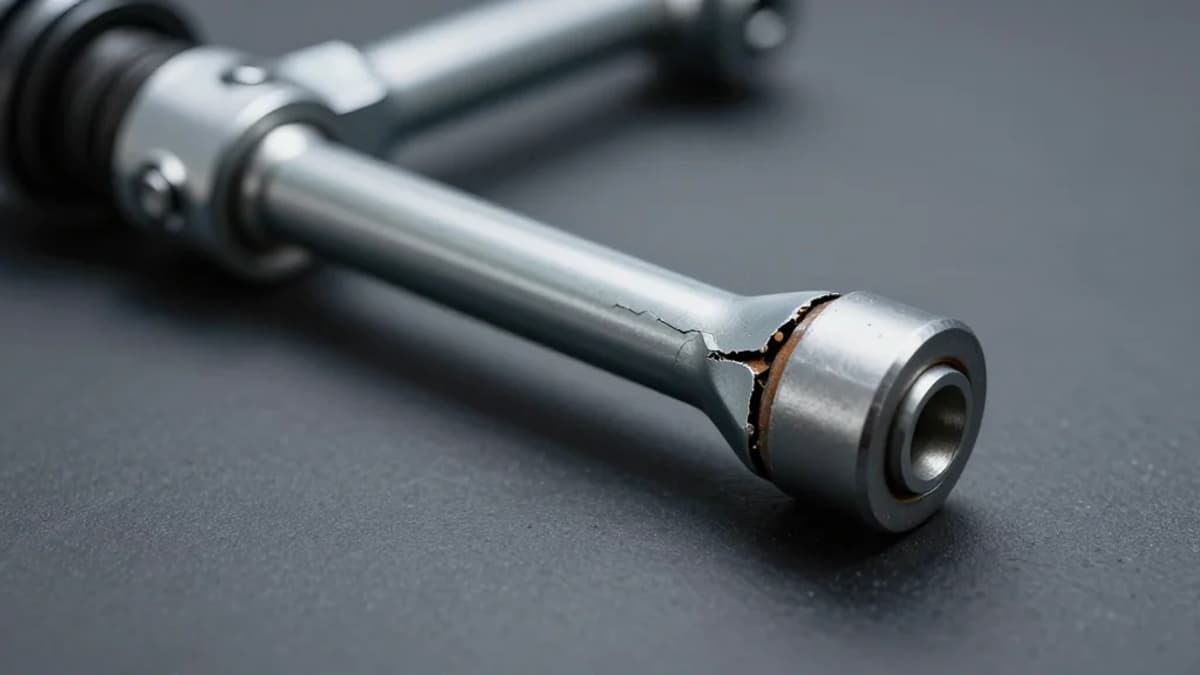
Ford Recalls Nearly 413K Explorer SUVs for Rear Suspension Issue
•March 9, 2026
0
Why It Matters
The recall addresses a safety-critical suspension flaw that could lead to crashes, underscoring the importance of robust component durability in harsh climates and impacting Ford's brand reputation and warranty costs.
Key Takeaways
- •Recall covers 2017‑2019 Explorer SUVs, 413k units.
- •Faulty rear toe links may fracture, risking loss of control.
- •Prior recalls in 2014 and 2021 addressed similar suspension issues.
- •Updated parts still showed fractures, prompting new investigation.
- •Dealers will replace links free of charge.
Pulse Analysis
Ford's latest recall of 413,000 Explorer SUVs highlights the ongoing challenge automakers face in safeguarding suspension systems against corrosion and mechanical fatigue. The National Highway Traffic Safety Administration flagged rear toe‑link fractures that could compromise steering, prompting Ford to act swiftly. While only about one percent of the fleet exhibits the defect, the potential for loss‑of‑control incidents makes the remedy—replacing the links with a reinforced design—critical for driver safety and regulatory compliance.
The technical root of the problem traces back to the interaction between toe links and cross‑axis ball joints, components supplied by Tier 1 vendors such as Aludyne and SAF‑Hal. Earlier recalls in 2014 and 2021 targeted welded‑link failures and ball‑joint corrosion, respectively. Despite the introduction of corrosion‑resistant ball joints in 2017, field reports in 2026 indicate that stress concentrations can still cause link fractures, especially in regions with heavy road‑salt usage. This pattern suggests that material selection and protective coatings remain pivotal in extending component life under aggressive environmental conditions.
For Ford, the recall carries both financial and reputational stakes. Replacing parts across a large dealer network incurs significant expense, while repeated safety notices can erode consumer confidence in the Explorer line. The episode also reinforces the importance of proactive engineering reviews and tighter supplier quality controls. As the industry moves toward electrification and advanced driver‑assist systems, ensuring the reliability of fundamental mechanical systems like suspension will be essential to maintaining overall vehicle safety and brand integrity.
Ford recalls nearly 413K Explorer SUVs for rear suspension issue
0
Comments
Want to join the conversation?
Loading comments...