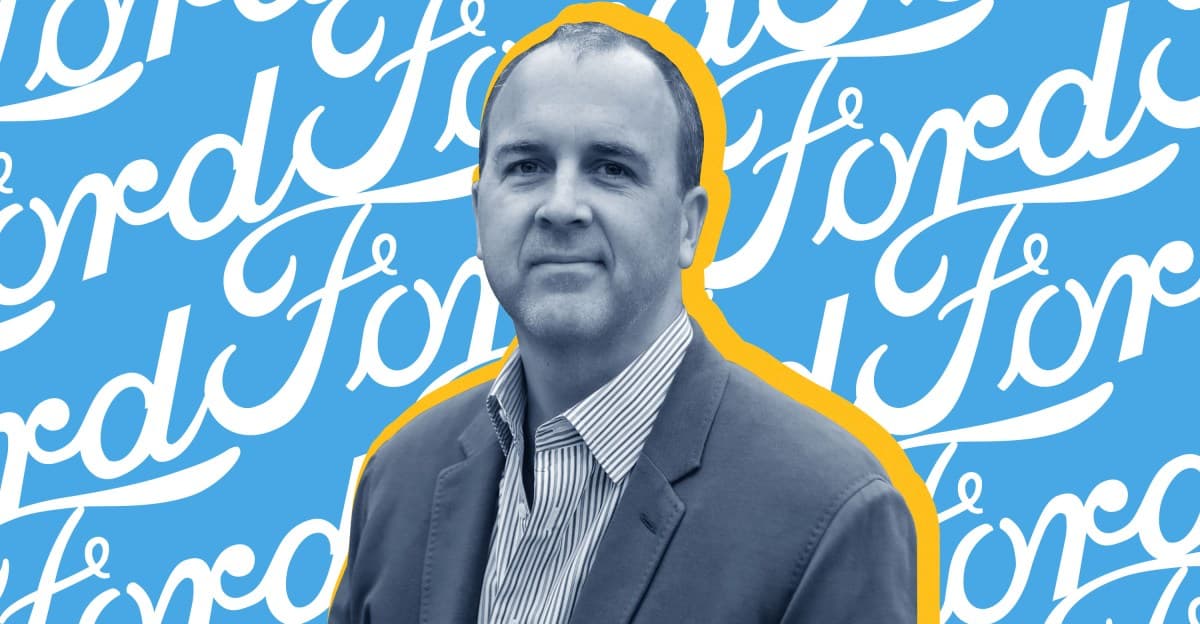
Ford’s EV and Software Chief Doug Field Is Leaving the Company
Why It Matters
Field’s exit underscores Ford’s pivot from an aggressive EV expansion to a more cost‑controlled, hybrid‑focused strategy, affecting its competitive positioning in the auto industry. The leadership shuffle and organizational overhaul aim to accelerate the rollout of affordable electric models and digital services.
Key Takeaways
- •Doug Field exits Ford after five years leading EV and software
- •Alan Clarke promoted to VP of advanced development, continues UEV platform work
- •Ford writes down $19.5 billion on EVs, shifts to hybrids
- •New Product Creation and Integration unit will scale digital products across Ford
- •Ford aims for 90% of models with new electric architectures by 2030
Pulse Analysis
Ford’s leadership change marks a turning point for its electrification journey. Doug Field, who arrived from Apple and previously helped shape Tesla’s Model 3, built a team that delivered features like BlueCruise and the Android‑powered Ford Digital Experience. Yet his tenure coincided with a costly EV rollout that forced a $19.5 billion writedown and the cancellation of high‑priced projects such as the T3 truck. By stepping aside, Field signals that Ford is ready to hand the technical vision to manufacturing experts who can bring the Universal Electric Vehicle (UEV) platform to scale.
The financial backdrop has reshaped Ford’s product roadmap. After the massive writedown, the automaker is trimming its EV ambitions, focusing on hybrids and a $30,000 midsize electric truck slated for 2027. This pragmatic approach aims to capture price‑sensitive buyers while preserving the long‑term goal of a family of low‑cost EVs built on the UEV architecture. The shift also reflects broader industry pressures as legacy manufacturers balance ambitious sustainability targets with shareholder expectations for profitability.
To support the new strategy, Ford introduced a Product Creation and Integration organization led by COO Kumar Galhotra. The unit will unify vehicle platforms with digital services, accelerating the rollout of over‑the‑air updates, advanced driver‑assist features, and subscription‑based software. Coupled with Alan Clarke’s promotion to oversee advanced development, Ford is positioning itself to deliver 90% of its models with fresh electric architectures by 2030. If executed well, these moves could restore investor confidence and keep Ford competitive against pure‑play EV rivals while leveraging its scale in traditional trucks and SUVs.
Ford’s EV and software chief Doug Field is leaving the company
Comments
Want to join the conversation?
Loading comments...