Why It Matters
The recall impacts nearly 180,000 vehicles, creating significant warranty costs and brand‑reputation risk while highlighting supply‑chain quality‑control challenges in the auto industry.
Key Takeaways
- •Recall covers 179,698 2024‑2026 Ford Broncos and Rangers.
- •Faulty pivot‑link bolts may loosen, causing seat instability.
- •Issue caused by premature torque check before adhesive cured.
- •No accidents or injuries reported; 60 warranty claims logged.
- •Ford will replace bolts after removing front seats.
Pulse Analysis
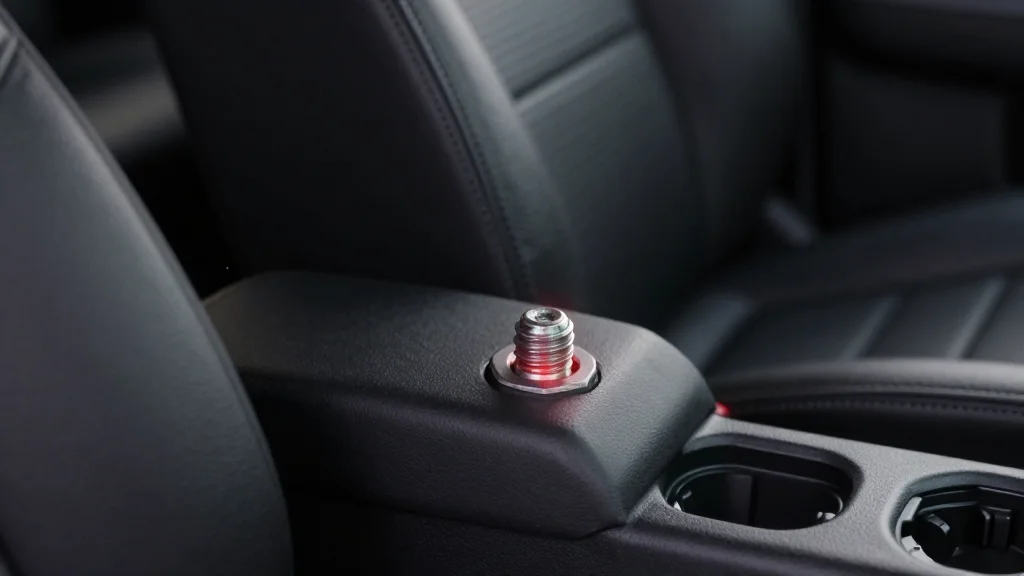
Ford's latest safety recall targets almost 180,000 Broncos and Rangers built between 2024 and 2026, after engineers discovered that the front‑seat height‑adjust pivot‑link bolts could lose torque and detach from the joint. The root cause traces back to a supplier’s torque‑check procedure being performed before the adhesive that secures the threaded fastener had fully cured, weakening the bond. Such mechanical failures, while rare, can produce rattling seats or, in extreme cases, compromise occupant positioning, prompting the National Highway Traffic Safety Administration to issue the recall.
The financial ripple for Ford is immediate. With 60 warranty claims already logged and the cost of parts, labor, and logistics for 179,698 vehicles, the automaker faces a multi‑million‑dollar expense that will be reflected in its upcoming earnings. More importantly, repeated bolt‑related recalls—this follows a 163,000‑unit Bronco recall in late 2025—risk eroding consumer confidence in Ford’s quality controls. The company’s proactive repair plan, which involves removing seats, inspecting bolts, and replacing defective components, aims to limit brand damage and avoid regulatory penalties.
Beyond Ford, the episode underscores a broader supply‑chain vulnerability in the automotive sector, where tighter production schedules can pressure suppliers to cut corners on curing times or torque verification. Industry analysts suggest that manufacturers may need to invest in more robust validation steps, such as real‑time torque monitoring and adhesive cure tracking, to prevent similar defects. As electric‑vehicle platforms increase component complexity, the recall serves as a reminder that rigorous quality assurance remains a cornerstone of vehicle safety and long‑term profitability.
Ford's Latest Recall Affects Nearly 180,000 Vehicles
Comments
Want to join the conversation?
Loading comments...