Ford’s Upcoming $30,000 Electric Truck: 7 Intriguing New Twists
Why It Matters
By slashing production and repair costs, Ford aims to make an affordable EV that can compete with gasoline trucks, accelerating mass‑market adoption and reshaping the pickup segment.
Key Takeaways
- •Modular three‑piece assembly cuts build time at Louisville plant
- •Aluminum unicasting front reduces repair costs and simplifies training
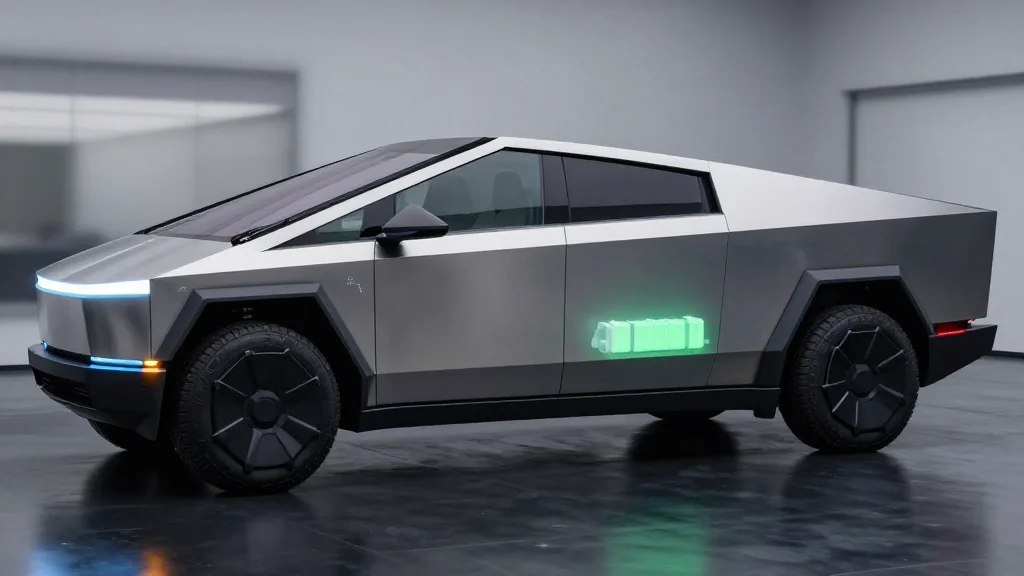
- •Battery pack doubles as floor, enabling rapid design iterations
- •Integrated E‑Box supplies 48 V, manages charging, and is serviceable
- •Hot‑gas bypass replaces resistive heater, simplifying thermal management
Pulse Analysis
Ford’s $30,000 electric pickup is more than a price target; it signals a strategic shift toward true cost parity with conventional trucks. While many automakers chase low‑price EVs through subsidies, Ford is tackling the underlying economics by redesigning the vehicle’s structure and manufacturing flow. The three‑module assembly line, combined with new conveyors at Louisville, streamlines labor and reduces part count, echoing lean‑manufacturing principles that have driven efficiency gains in other industries. This approach could lower the breakeven point for affordable EVs, making them viable without relying heavily on government incentives.
The technical choices underpinning the truck further reinforce the cost‑saving narrative. A single aluminum unicasting replaces multiple stamped panels, cutting welds and simplifying post‑collision repairs—a benefit that insurers and body shops welcome. By integrating the battery pack as the vehicle’s floor, Ford eliminates a separate chassis component, allowing rapid iteration of battery designs and freeing up interior space. The compact E‑Box, tucked beneath the floor, consolidates 48‑volt distribution, AC/DC charging, and battery‑management functions, while remaining serviceable without swapping the entire pack. Notably, the absence of a resistive heater in favor of a hot‑gas bypass reduces parts count and improves thermal efficiency, a move few competitors have attempted.
Beyond the pickup, the universal electric vehicle (UEV) platform promises a family of models—from compact cars to commercial vans—over the next decade. Ford’s dual focus on individual consumers and fleet operators broadens market appeal and supports higher volume production, which can further drive down unit costs. If the platform delivers on its promises, it could set a new benchmark for affordable, repair‑friendly EVs, pressuring rivals to adopt similar modular and cost‑effective designs. The ripple effect may accelerate the overall transition to electric trucks in both personal and commercial segments.
Ford’s upcoming $30,000 electric truck: 7 intriguing new twists
Comments
Want to join the conversation?
Loading comments...