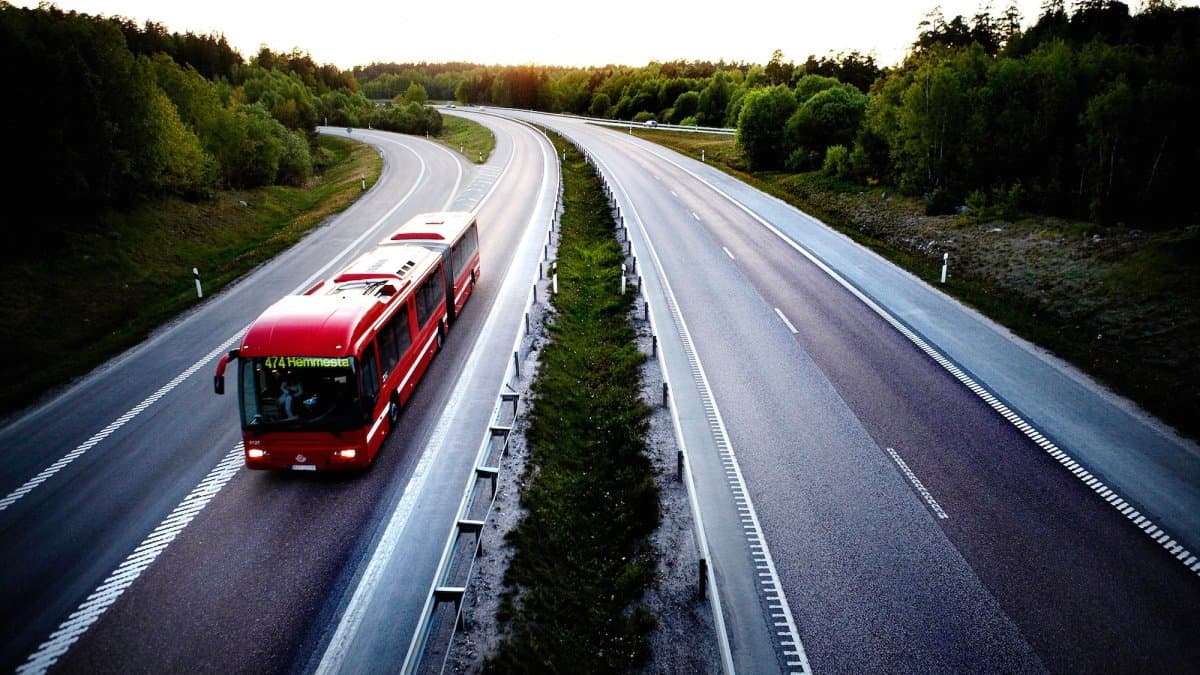
Forget High-Speed Rail: California Is Exploring 140 Mph Bullet Buses
Why It Matters
If realized, bullet buses could fill gaps left by California’s delayed high‑speed rail, offering faster, lower‑cost intercity travel while easing highway congestion. Their success would hinge on engineering breakthroughs, infrastructure investment, and public acceptance.
Key Takeaways
- •Caltrans studying 100‑140 mph “bullet bus” concept for I‑5 corridor
- •Dedicated 12‑ft lanes and upgraded shoulders required for high‑speed operation
- •New buses need aerodynamic carbon‑fiber bodies, high‑speed brakes, and special tires
- •Experts say pilot routes needed; public acceptance remains uncertain
Pulse Analysis
California’s transportation planners are wrestling with a chronic funding gap: the state’s high‑speed rail project, once slated for a $33 billion budget and a 2020 opening, now exceeds $100 billion and remains incomplete. In response, Caltrans has floated a high‑speed bus alternative that could leverage existing freeways, provided they are retrofitted with exclusive lanes. By carving 12‑foot‑wide corridors and extending shoulders, the state hopes to create a tiered service model that mirrors rail’s express and local patterns, potentially diverting cars and easing congestion on the I‑5 corridor.
The engineering hurdles are formidable. Current freeway geometry—curve radii, camber, and pavement design—supports speeds up to 85 mph, far below the proposed 140 mph ceiling. To bridge that gap, buses must be re‑engineered from the ground up: carbon‑fiber shells for weight reduction, active suspension, high‑speed rated tires, and braking systems capable of safely decelerating from double‑digit speeds. Autonomous driving technology is also under consideration, as human reaction times may be insufficient for the rapid decision‑making required. These technical demands translate into billions of dollars in capital outlay, echoing the fiscal challenges that have plagued the rail effort.
From a market perspective, bullet buses could offer a middle ground between conventional coach travel and rail, delivering sub‑three‑hour trips for a price point likely lower than train tickets. International precedents—such as Brazil’s BRT, Adelaide’s O‑Bahn, and the Dutch Superbus prototype—demonstrate the concept’s viability but also its limits, especially regarding sustained high‑speed operation and public perception. Transportation scholars recommend a phased rollout, starting with a 50‑mile pilot at 100 mph to test vehicle performance, safety protocols, and rider demand before scaling to the full Los Angeles‑San Francisco corridor. Success would hinge on coordinated funding, regulatory support, and convincing the traveling public that a sleek, fast bus can be a safe, comfortable alternative to both cars and trains.
Forget high-speed rail: California is exploring 140 mph bullet buses
Comments
Want to join the conversation?
Loading comments...