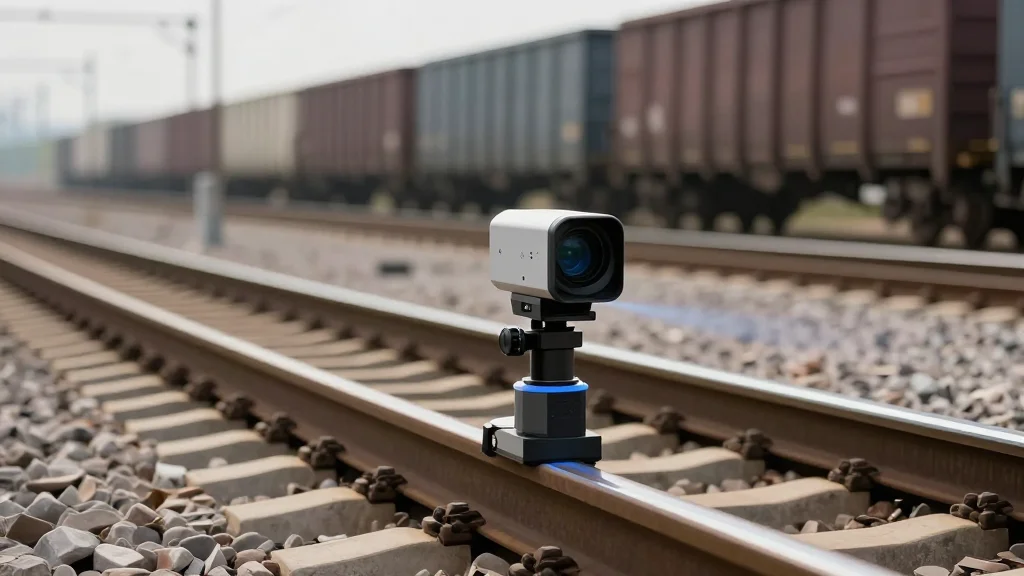
FRA Greenlights Expanded Rail Track Tech Tests as CSX Prepares July 2026 Rollout
Companies Mentioned
Why It Matters
The waiver could dramatically improve freight‑rail safety and efficiency while testing how far automation can replace manual inspections, a shift that may reshape regulatory standards and labor practices across the transportation sector.
Key Takeaways
- •FRA grants five‑year waiver for Automated Track Inspection on freight rail
- •CSX will deploy ATI on over 3,000 route miles starting July 2026
- •Early pilots show ATI can cut geometry defects by up to 90 %
- •Union concerns focus on potential reduction of human inspectors
- •Data‑sharing requirement enables regulators to evaluate safety impact
Pulse Analysis
Railroads have long relied on labor‑intensive visual inspections to meet safety mandates, but the sheer mileage of the U.S. network makes frequent checks costly and inconsistent. Automated Track Inspection (ATI) equips regular freight trains with lasers, high‑resolution cameras and ground‑penetrating radar, allowing continuous geometry monitoring at operating speeds. By capturing rail alignment, gauge and other parameters under real‑world loads, ATI delivers a data‑rich picture that human eyes can miss, promising a new baseline for defect detection and preventive maintenance.
CSX’s July 2026 rollout will apply ATI across more than 3,000 route miles and 4,500 track miles, using a mix of autonomous boxcars, traditional geometry cars and a locomotive‑mounted system. Early pilot programs have shown up to a 90 % reduction in geometry‑related defects, translating into fewer emergency repairs and lower derailment risk. The technology also streamlines maintenance planning, as analysts can prioritize fixes based on real‑time analytics rather than scheduled walk‑downs, potentially saving millions in labor and downtime while keeping freight flows uninterrupted.
The FRA waiver mirrors a broader regulatory trend of granting limited exceptions to test safety‑critical innovations, from autonomous truck beacons to drone‑based bridge inspections. By mandating data sharing, the agency can objectively assess whether automation meets or exceeds existing safety benchmarks. Labor groups warn that increased reliance on machines could erode inspector jobs, yet the waiver explicitly retains human verification for critical findings. As the industry gathers five years of performance data, the outcome will likely inform future rulemaking, balancing the efficiency gains of AI‑driven monitoring with the indispensable judgment of seasoned rail workers.
FRA Greenlights Expanded Rail Track Tech Tests as CSX Prepares July 2026 Rollout
Comments
Want to join the conversation?
Loading comments...