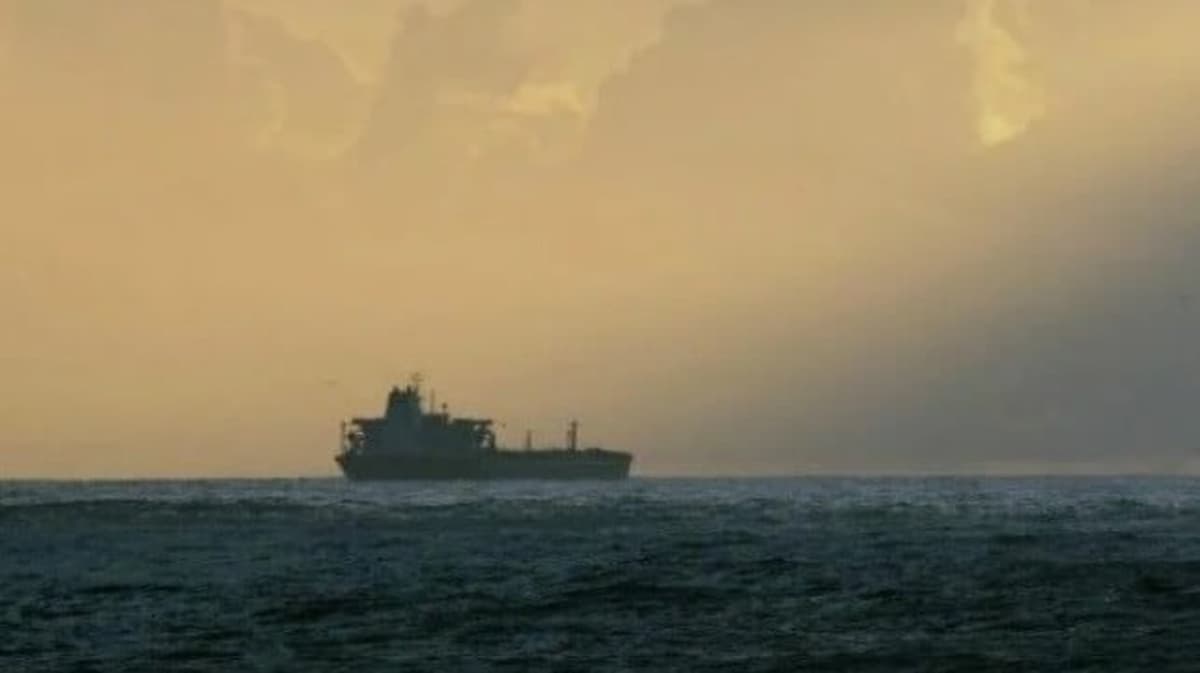
France Releases Captain of Shadow Fleet Tanker After 24-Hour Detention
Why It Matters
The case highlights Europe’s intensified enforcement against illicit oil shipments, signaling higher legal risk for vessels that evade sanctions. It also underscores the geopolitical tug‑of‑war between Western authorities and Iranian‑linked networks.
Key Takeaways
- •Captain of Russian‑flagged tanker Tagor detained 24 hours, then released
- •French authorities suspect false flag, link vessel to Iranian‑sanctioned network
- •Captain faces up to one year prison and $175,000 fine
- •Vessel remains seized in Douarnenez Bay under exclusion zone
- •Incident underscores Europe’s crackdown on shadow‑fleet oil transport
Pulse Analysis
The emergence of a shadow fleet—vessels that conceal ownership and flag details to evade sanctions—has become a focal point for European maritime security. France, leveraging its naval and judicial powers, has stepped up inspections in its waters, targeting ships suspected of ferrying Iranian‑origin oil to circumvent U.S. and EU embargoes. By detaining the Tagor and scrutinizing its paperwork, French prosecutors signal a willingness to apply pressure beyond traditional diplomatic channels, using legal mechanisms to disrupt illicit supply chains.
In the Tagor episode, investigators quickly identified discrepancies between the vessel’s claimed Cameroonian registry and its actual operational profile. Links to Mohammad Hossein Shamkhani, a U.S.-sanctioned Iranian businessman, suggest the tanker may be part of a broader network that masks oil flows through shell companies. The captain’s 24‑hour detention and subsequent release, coupled with potential charges of false documentation, illustrate the fine line between maritime enforcement and diplomatic fallout, especially given the Russian nationality of the crew and Moscow’s accusations of piracy.
The broader impact on the shipping industry is twofold. First, owners of shadow‑fleet vessels now face heightened scrutiny, with detention zones and exclusion areas becoming more common in European ports. Second, the legal precedent set by France—imposing fines and possible prison terms on captains and owners—raises the cost of non‑compliance, prompting insurers and financiers to reassess risk exposure. As sanctions regimes tighten, the maritime sector must adapt by enhancing transparency, investing in compliance technology, and navigating an increasingly politicized trade environment.
France Releases Captain of Shadow Fleet Tanker After 24-Hour Detention
Comments
Want to join the conversation?
Loading comments...