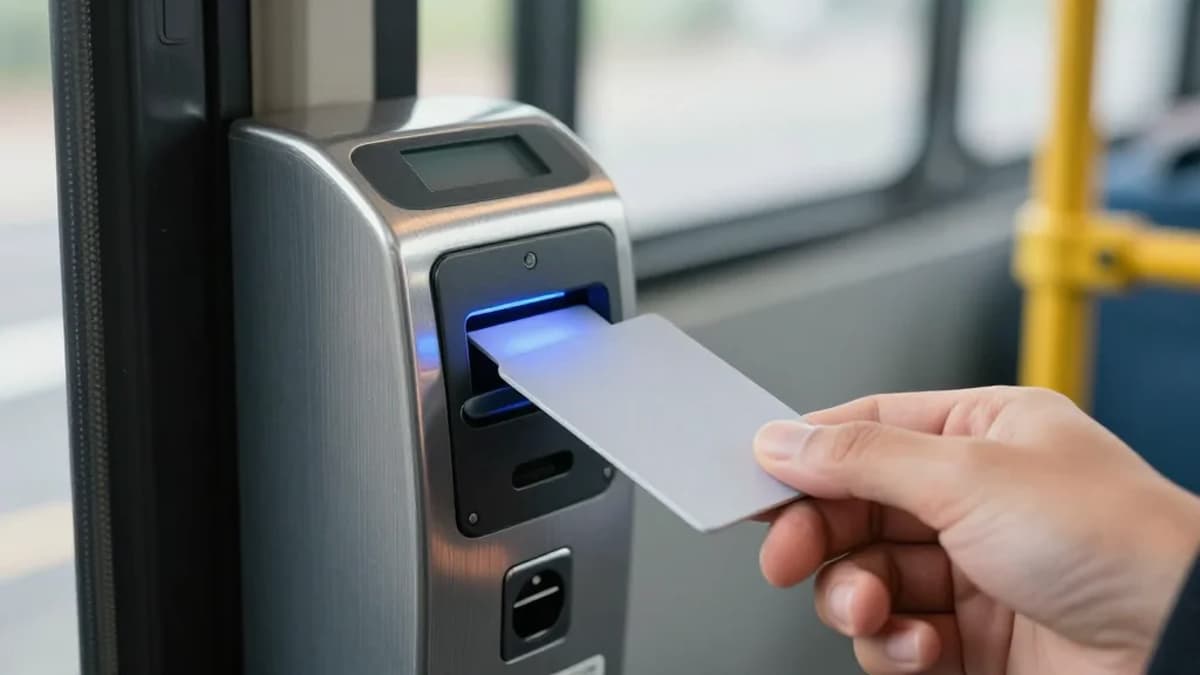
Friday Roundtable: ORCA Tap to Pay Begins on Monday
•February 20, 2026
0
Why It Matters
Tap to Pay simplifies fare collection, boosting rider convenience and positioning Puget Sound transit for increased visitor demand during the World Cup, while advancing the region’s digital payment ecosystem.
Key Takeaways
- •Tap to Pay goes live Feb 23 2026 across ORCA
- •Visa, Mastercard, Discover, AmEx accepted via card or mobile wallets
- •Excludes monorail, ferries, DART, and certain shuttle services
- •Free transfers within two hours; full adult fare only
- •Discounted fares still require traditional ORCA cards
Pulse Analysis
The introduction of open‑payment technology on the ORCA network reflects a nationwide shift toward contactless fare solutions, mirroring trends in major metros such as New York and London. By integrating Visa, Mastercard, Discover and American Express alongside Apple, Google, and Samsung wallets, Sound Transit eliminates the need for physical cards, reducing friction for occasional riders and tourists. This move also leverages the next‑generation ORCA backend, which has already supported mobile wallet storage and a revamped myORCA.com portal, underscoring a strategic push toward a fully digital fare ecosystem.
Operationally, the rollout covers the majority of buses, light rail, and commuter services, but deliberately omits the Seattle Monorail, Washington State Ferries, and several demand‑responsive and shuttle options. These exclusions stem from legacy hardware constraints and contractual complexities that require additional upgrades. For the anticipated surge of visitors during the 2026 FIFA World Cup, the open‑payment system promises faster boarding and reduced cash handling, while the two‑hour free‑transfer window encourages multimodal trips across the region’s extensive network.
Despite the advantages, the transition presents challenges. Fare inspectors cannot currently scan credit cards, relying instead on the last four digits of the payment method—a limitation that may cause inconvenience for some riders. The ORCA team is actively developing secure scanning capabilities to close this gap. As more agencies, such as Kitsap Transit Fast Ferries, adopt the technology in the coming weeks, the region moves closer to a unified, frictionless fare experience that could serve as a model for other transit systems nationwide.
Friday Roundtable: ORCA Tap to Pay Begins on Monday
0
Comments
Want to join the conversation?
Loading comments...