From Bin Rage To Bomb Threats: The Rising Cabin Storage Crisis
•March 3, 2026
0
Companies Mentioned
Why It Matters
The bin‑space shortage fuels passenger aggression, threatens flight safety, and forces airlines to redesign cabin economics, impacting revenue and brand reputation.
Key Takeaways
- •Overhead bin scarcity fuels passenger confrontations.
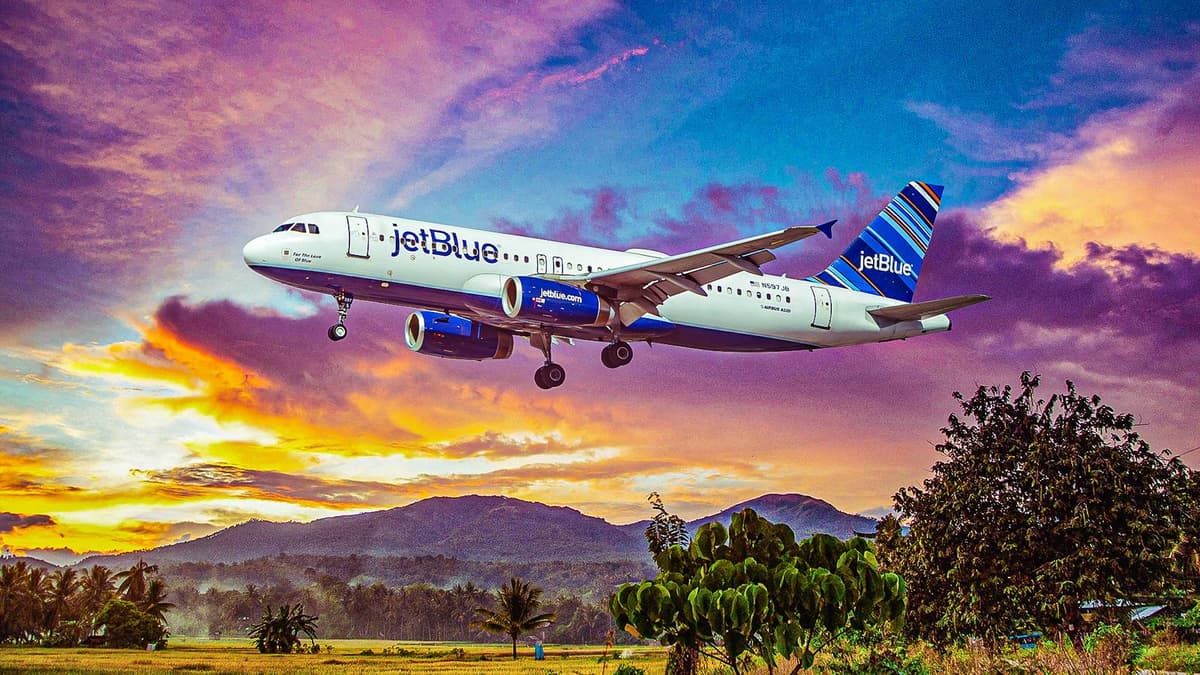
- •JetBlue incident escalated to bomb threat claim.
- •Assigned seating increases entitlement to bin space.
- •Airlines adopt stricter carry‑on enforcement and boarding alarms.
- •Linking bin space to seat class could reduce disputes.
Pulse Analysis
In 2026, the fight for overhead bin real estate has eclipsed traditional perks like legroom or lounge access. Travelers now view a clear bin as a tangible marker of status, prompting aggressive boarding behavior that can quickly spiral into security incidents. The JetBlue episode at Fort Lauderdale, where a passenger shouted about a bomb after being denied space, underscores how a routine luggage dispute can become a public safety concern, forcing regulators and airlines to reassess cabin design priorities.
The root of the tension lies in a systemic design flaw: airlines sell guaranteed seats without guaranteeing corresponding storage. Assigned seating creates an expectation of entitlement, yet the limited bin capacity remains a shared resource. Incidents across Southwest, American, and Delta illustrate that the problem transcends any single carrier, manifesting whenever passengers bring more carry‑ons than the cabin can accommodate. This mismatch not only fuels confrontations but also erodes the passenger experience, leading to delays, arrests, and costly legal fallout.
To mitigate the crisis, carriers are deploying a three‑pronged strategy. First, stricter carry‑on enforcement—using bag sizers and immediate gate‑check fees—discourages oversized items. Second, boarding alarms and sequenced boarding technology aim to prevent early‑bird rushes that crowd the bins. Finally, some airlines are experimenting with linking specific bin sections to seat classes, turning storage into a purchasable amenity. These measures promise to restore order, protect safety, and open new revenue streams, but they also require careful communication to avoid alienating budget‑focused travelers.
From Bin Rage To Bomb Threats: The Rising Cabin Storage Crisis
0
Comments
Want to join the conversation?
Loading comments...