From Car Clubs to 'Tap-and-Go' Public Transport: A Guide to the Government's New Better Connected Transport Strategy
Why It Matters
The initiative directly tackles the transport sector’s carbon footprint, positioning the UK to meet its climate commitments while unlocking new market opportunities for mobility providers. It signals a shift toward integrated, user‑centric transport solutions that could reshape urban travel patterns.
Key Takeaways
- •Government launches Better Connected transport strategy
- •Expands car clubs and shared mobility schemes
- •Introduces mobility hubs linking active and public transport
- •Allocates £100m for active travel infrastructure
- •Aims to cut transport emissions by 2030
Pulse Analysis
The Better Connected transport strategy arrives at a pivotal moment for the UK’s climate agenda. Transport accounts for roughly a quarter of national greenhouse‑gas emissions, and previous policies have struggled to deliver coordinated, low‑carbon alternatives. By framing mobility as a network of interconnected services rather than isolated modes, the government hopes to overcome the fragmentation that has hampered progress. The strategy’s emphasis on digital tap‑and‑go ticketing and real‑time data sharing reflects a broader push toward smart city infrastructure, aligning transport policy with the nation’s digital transformation goals.
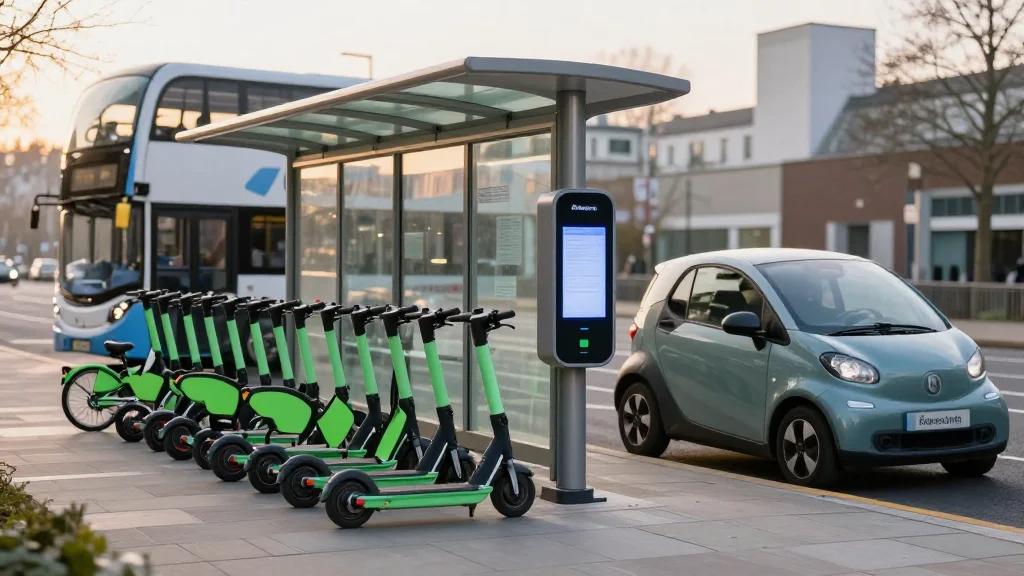
Central to the plan are expanded shared‑mobility options, including car clubs, bike‑share programs, and on‑demand micro‑transit. These services are slated for integration within newly designated mobility hubs—physical nodes where cyclists, pedestrians, buses, and trains converge under a single fare system. The £100 million funding boost for active‑travel projects will accelerate the rollout of protected cycle lanes, pedestrian‑friendly streets, and bike‑ability training in schools. By lowering the cost and friction of using non‑car modes, the strategy aims to shift commuter behavior, reduce congestion, and deliver measurable emissions cuts ahead of the 2030 target.
For businesses and investors, the strategy opens a fertile landscape for innovation. Mobility‑as‑a‑service platforms, electric‑vehicle charging networks, and data‑analytics firms stand to benefit from increased demand and supportive policy frameworks. Moreover, the focus on integrated ticketing creates opportunities for fintech and SaaS providers to develop seamless payment solutions. However, success will hinge on coordinated implementation across local authorities and private operators, as well as sustained funding. If executed effectively, Better Connected could become a blueprint for climate‑aligned transport systems worldwide, delivering economic growth while advancing the UK’s net‑zero ambitions.
From car clubs to 'tap-and-go' public transport: A guide to the government's new Better Connected transport strategy
Comments
Want to join the conversation?
Loading comments...