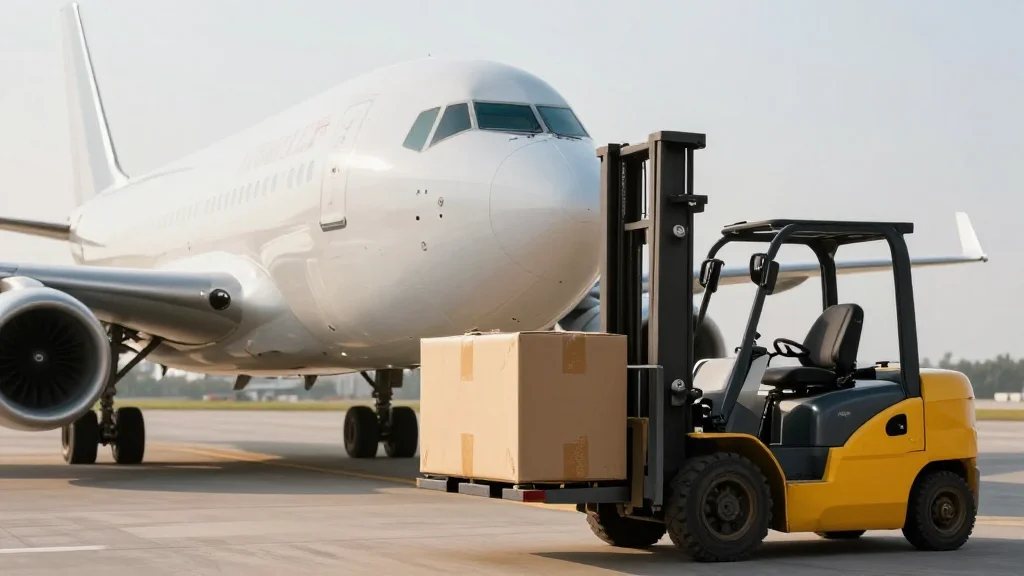
From Carrier-Centric to Customer-Centric: How SmartKargo Is Helping eCommerce Leaders Rethink Parcel Delivery
Why It Matters
Predictable, fast delivery directly influences conversion rates and brand loyalty, making logistics a competitive advantage for online retailers.
Key Takeaways
- •Fuel and accessorial fees inflate e‑commerce shipping costs.
- •Airline‑backed networks cut transit times and handoffs.
- •Real‑time tracking boosts customer confidence and reduces inquiries.
- •Transparent pricing lowers cart abandonment rates.
- •Cross‑border airline routes shorten delivery windows to days.
Pulse Analysis
The e‑commerce landscape has reached a tipping point where the last‑mile experience is no longer a peripheral concern but a core component of brand perception. Traditional parcel carriers are grappling with volatile fuel prices, expanding accessorial fees and unpredictable tariff regimes, which translate into erratic checkout totals and delayed delivery estimates. These variables erode consumer trust, increase cart abandonment, and compress margins for online merchants. As shoppers demand same‑day or next‑day service, retailers must confront the reality that shipping costs and visibility are now strategic levers rather than fixed overhead.
Airline‑powered delivery networks address the volatility by leveraging underutilized belly space on passenger flights, turning existing air capacity into a rapid, low‑touch logistics channel. Solutions such as Delta Cargo’s DeliverDirect and IAG Cargo’s deliver‑e provide consolidated pricing that strips away many of the hidden surcharges associated with ground‑based carriers, while offering end‑to‑end tracking from checkout to doorstep. The result is a streamlined supply chain with fewer handoffs, reduced transit times—often under 48 hours domestically and under a week internationally—and a data layer that empowers retailers to publish accurate landed‑cost estimates at the point of sale.
From a growth perspective, this transparency converts shipping from a cost center into a differentiator. Brands that integrate airline‑based logistics can promise reliable SLAs, personalize delivery windows, and proactively communicate status updates, all of which reinforce loyalty and boost conversion rates. Moreover, the model scales across borders, enabling midsize sellers to compete with global players without building their own air fleet. As fuel markets stabilize and digital commerce continues its upward trajectory, adopting customer‑centric, airline‑enabled delivery will likely become a benchmark for competitive e‑commerce operations.
From carrier-centric to customer-centric: How SmartKargo is helping eCommerce leaders rethink parcel delivery
Comments
Want to join the conversation?
Loading comments...