From Laptops to Multiple Phones, Minnesota’s Distracted Driving Stops Raise Concerns
Why It Matters
The surge in citations reveals gaps in driver compliance with distracted‑driving regulations, prompting policymakers to consider stricter enforcement and public‑education measures. Reducing such behavior is critical for road safety and can lower crash‑related costs nationwide.
Key Takeaways
- •5,426 hands‑free cellphone citations issued statewide in April
- •St. Paul police issued highest citations: 912 violations
- •Mankato police led non‑metro agencies with 383 citations
- •One‑day impaired‑driving crackdown resulted in 48 DWI arrests
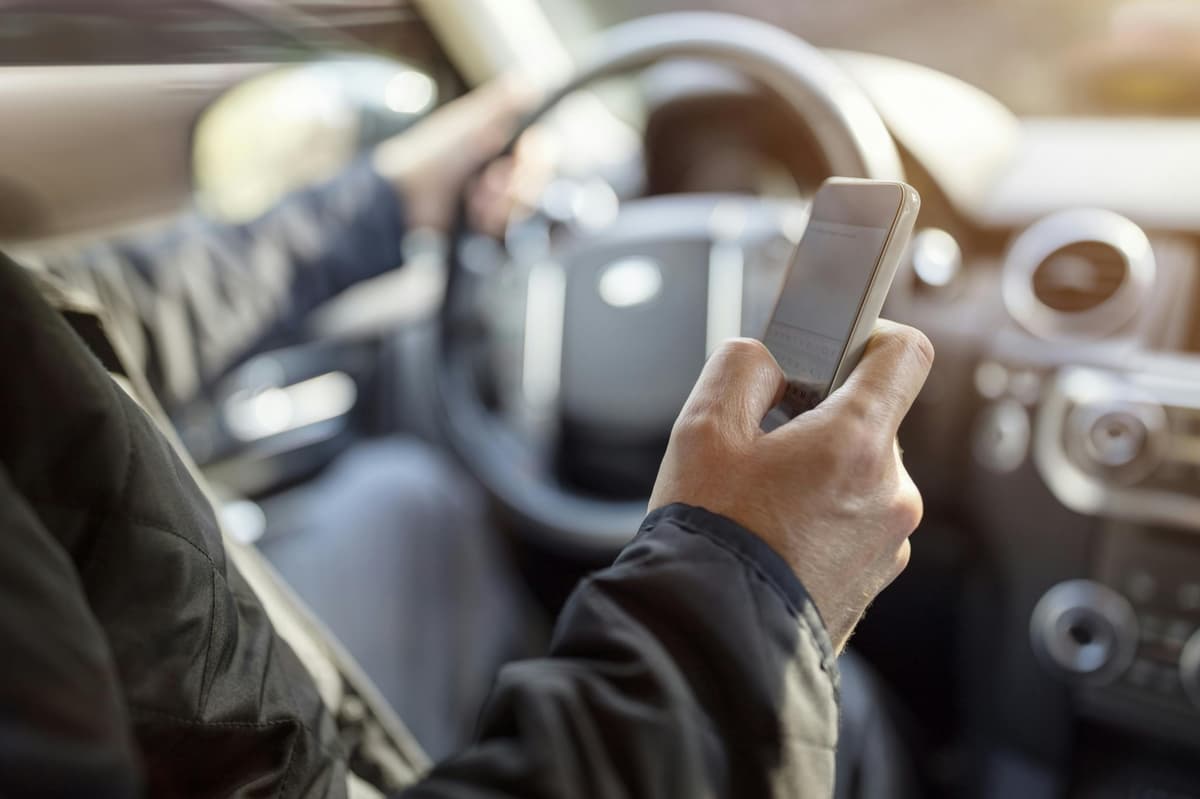
- •Drivers used laptops, multiple phones, and ignored police stops
Pulse Analysis
Minnesota’s April distracted‑driving campaign illustrates how targeted enforcement can surface the most egregious violations. By leveraging funding from the National Highway Traffic Safety Administration, the Office of Traffic Safety mobilized 296 agencies to issue over 5,400 hands‑free citations. The data shows that while voice‑activated functions are permissible, drivers still engage in high‑risk activities such as browsing social media, streaming video, or multitasking with laptops—behaviors that current statutes explicitly forbid. The campaign’s visibility, amplified by local media coverage, serves as a deterrent and a benchmark for other states grappling with similar compliance challenges.
The concurrent one‑day impaired‑driving operation on April 20, a date linked to heightened cannabis consumption, added another layer of safety focus, resulting in 48 DWI arrests. This dual‑approach strategy reflects a broader trend among traffic safety agencies to synchronize distracted‑driving and impaired‑driving initiatives, recognizing that driver inattention often co‑exists with substance use. By concentrating resources on a single day, law‑enforcement agencies can achieve a high‑impact outcome, gathering intelligence that informs future patrol patterns and educational campaigns.
Looking ahead, Minnesota’s experience may influence legislative discussions on tightening distracted‑driving penalties or expanding the definition of prohibited device use. Policymakers could consider higher fines, points on driver licenses, or mandatory driver‑education modules for repeat offenders. Moreover, technology firms are under pressure to develop more robust hands‑free solutions that limit access to non‑essential functions while driving. As states evaluate the cost‑benefit of such enforcement programs, the ultimate goal remains clear: reducing crash rates and the associated human and economic toll of distracted driving across the nation.
From Laptops to Multiple Phones, Minnesota’s Distracted Driving Stops Raise Concerns
Comments
Want to join the conversation?
Loading comments...