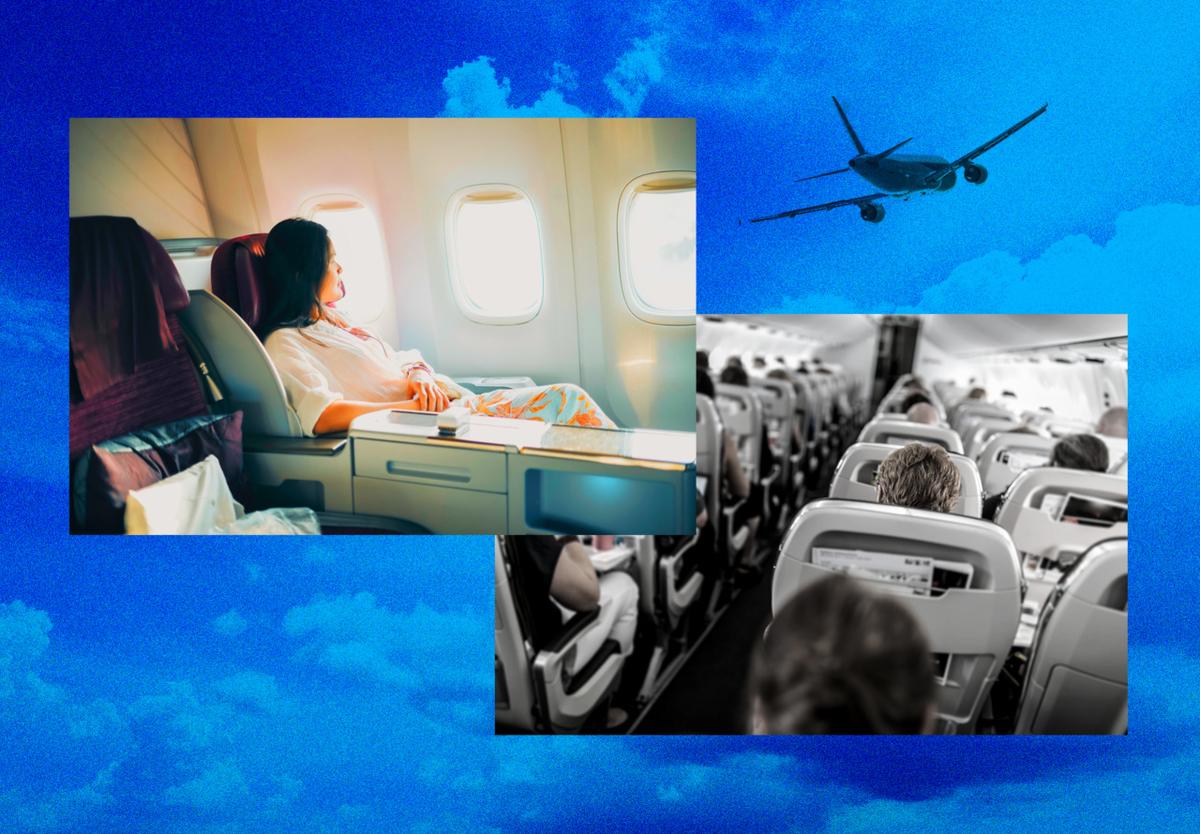
From Private Suites to $20,000 Seats: Luxury Travelers Have More Ways to Splurge While Many Passengers Can’t Afford Economy
Why It Matters
The premium‑seat surge lifts airline revenue per passenger but deepens the affordability divide, reshaping competitive dynamics and pressuring low‑cost carriers.
Key Takeaways
- •United and Delta launch $9k+ studio suites with $499 per‑segment surcharge
- •Qantas will sacrifice 100+ economy seats to give first‑class 40% cabin share
- •Luxury travelers now spend $12,400 per trip, a 48% rise since 2022
- •Spirit Airlines risks liquidation, underscoring pressure on budget‑carrier business models
Pulse Analysis
The commercial aviation sector is entering a new era of revenue optimization, targeting the top 1% of travelers who now spend an average $12,400 per vacation—a 48% jump since 2022. Carriers such as United and Delta have introduced studio suites that combine private doors, large 4K screens, and high‑end amenity kits, commanding fares that can top $9,000 for a single segment. By bundling these premium experiences with ancillary surcharges, airlines extract significantly higher yields per seat, offsetting rising jet‑fuel costs and fueling a shift toward high‑margin cabin classes.
Aircraft design is being re‑engineered to accommodate this premium focus. Qantas plans to roll out Airbus A350s where 40% of the cabin is dedicated to first‑class, business, and premium‑economy, sacrificing more than 100 economy seats per plane. United’s Polaris Studio suite adds a $499 surcharge per segment, while Cathay Pacific’s Aria Suite pairs Bluetooth headphones with a 24‑inch 4K display. The trade‑off is a tighter economy inventory, pushing the average $2,000 economy fare higher and squeezing budget travelers, especially as low‑cost carrier Spirit teeters on potential liquidation after a second bankruptcy.
The broader market implications are mixed. While premium seats boost profitability, airlines remain dependent on economy passengers to cover fixed operating costs and meet the International Air Transport Association’s forecast of a doubling in global air‑travel demand by 2050. Simultaneously, ultra‑wealthy travelers are turning to private‑jet services, accepting a 20% fuel‑price premium for time savings. As the “Tiffany model” of ultra‑luxury service proves lucrative, carriers must balance premium expansion with affordable options to sustain overall demand and avoid a bifurcated market.
From private suites to $20,000 seats: Luxury travelers have more ways to splurge while many passengers can’t afford economy
Comments
Want to join the conversation?
Loading comments...