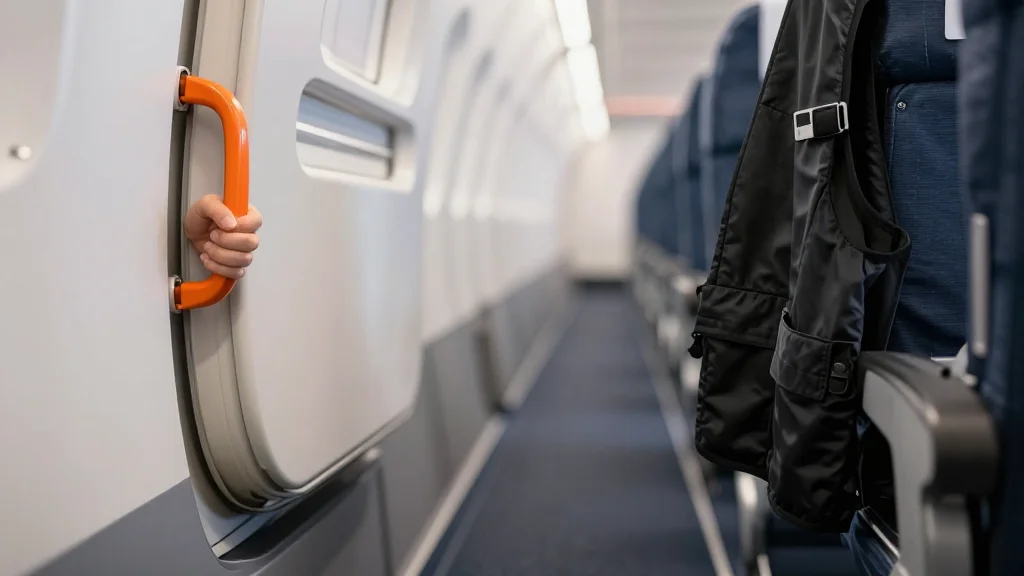
Frontier Flight Diverts After Passenger Tries Emergency Exit, Former MMA Fighter Subdues Threat

Companies Mentioned
Why It Matters
The Frontier incident highlights how a single disruptive passenger can jeopardize the safety of hundreds, force costly diversions, and strain airline resources. With the FAA reporting nearly 700 unruly‑passenger cases this year, airlines face mounting pressure to enhance onboard security without compromising customer experience. The episode also raises questions about the effectiveness of current crew training and the role of passenger volunteers in crisis mitigation, potentially prompting regulatory reforms. If unchecked, such disruptions could erode public trust in air travel, especially as airlines compete for market share in a post‑pandemic environment. Strengthening preventive measures—such as stricter alcohol policies, real‑time behavioral monitoring, and expanded off‑duty staff deployment—may become essential to safeguard operational continuity and protect the industry’s reputation.
Key Takeaways
- •Frontier Flight 3345 diverted to Miami after a passenger tried to open an emergency exit and breach the cockpit.
- •Former MMA fighter Josh Longood restrained the passenger for ~30 minutes, preventing injury.
- •Passenger Juan Gabriel Reyes was arrested on a $20,000 bond and faces federal charges.
- •FAA reports 687 unruly‑passenger incidents in 2026, indicating a rising safety challenge.
- •Frontier and the FAA are reviewing security protocols and crew training in response.
Pulse Analysis
The Frontier episode is a microcosm of a broader trend: airlines are increasingly confronting passengers who act out violently, often under the influence of alcohol or substances. Historically, such incidents were rare outliers, but recent data suggest a steady uptick, likely driven by heightened stress, mental‑health issues, and lax enforcement of alcohol limits on board. For carriers like Frontier, which operate on thin margins, the cost of a diversion—fuel, crew overtime, passenger re‑booking—can quickly erode profitability.
From a competitive standpoint, airlines that can demonstrate robust safety measures may gain a differentiating edge. Frontier’s decision to publicize the heroic actions of a passenger volunteer serves a dual purpose: it reassures the traveling public that the airline can manage crises, and it subtly shifts some responsibility onto passengers, potentially encouraging a culture of collective vigilance. However, reliance on passenger intervention is a double‑edged sword; it raises liability concerns and may not be scalable across larger fleets.
Regulators are likely to tighten oversight. The FAA’s growing case count will probably translate into stricter reporting requirements, higher fines for non‑compliance, and mandatory crew‑training modules focused on de‑escalation techniques. Airlines may also explore technology solutions—such as AI‑driven behavior analytics in cabin cameras—to flag early signs of disturbance. In the short term, Frontier will need to balance immediate operational fixes with longer‑term investments in safety infrastructure to prevent similar incidents and maintain consumer confidence.
Frontier Flight Diverts After Passenger Tries Emergency Exit, Former MMA Fighter Subdues Threat
Comments
Want to join the conversation?
Loading comments...