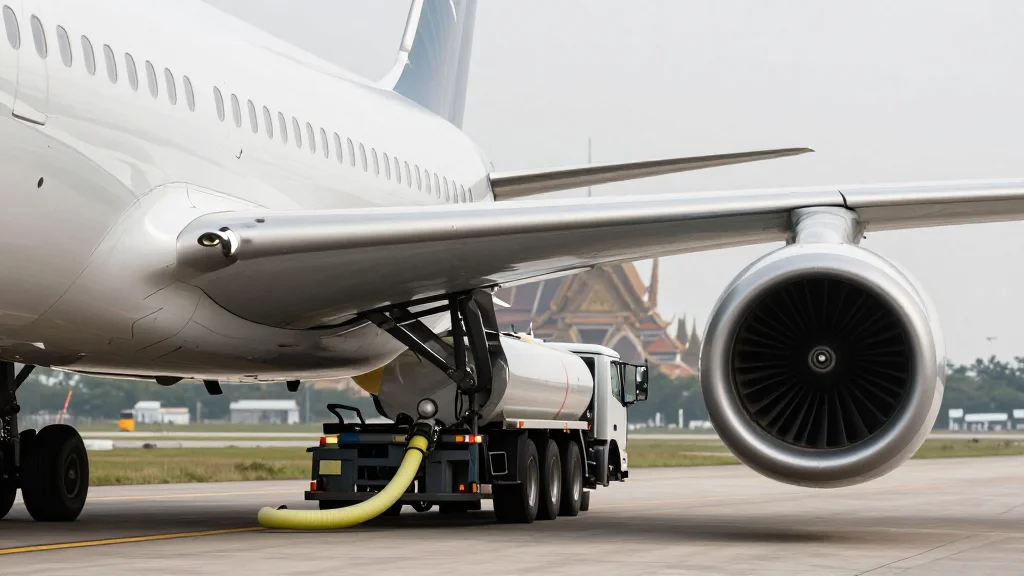
Fuel Crisis Results in Fewer Flights for Thai Pilots
Why It Matters
Reduced pilot compensation and flight capacity threaten airline profitability and could constrain Thailand’s air travel recovery, while heightened fuel costs pressure the broader aviation sector.
Key Takeaways
- •Low‑cost carriers cut pilot allowances up to 30%.
- •Flight hours for Thai pilots fell 10% since last month.
- •Airlines reduced routes 10‑20% and raised fuel surcharges.
- •Jet fuel averages $162.89/barrel, 80.9% higher YoY.
- •Industry seeks six‑month fee waivers and fuel tax cuts.
Pulse Analysis
The spike in jet‑fuel prices, driven by disruptions in the Strait of Hormuz, has reverberated through Thailand’s aviation ecosystem. Even though the IATA monitor shows a 13.5% month‑on‑month dip, the $162.89 per barrel price remains nearly double the pre‑conflict level, forcing carriers to re‑evaluate cost structures. Low‑cost airlines, which operate on thin margins, are the first to act, trimming schedules and slashing variable pay components that pilots traditionally rely on for a sizable portion of their earnings.
For pilots, the financial impact is immediate and tangible. Allowances tied to duty travel, per‑diem, instructor duties, and follow‑flight duties have been reduced, with some carriers cutting productivity bonuses by 30%. Flight hour reductions of roughly 10% further erode take‑home pay, even as payroll is split into bi‑monthly installments to preserve cash flow. The pilots’ association notes that over 1,000 qualified pilots are still seeking employment, highlighting a growing talent surplus that could exacerbate wage pressures if the downturn persists.
Airlines and regulators are now negotiating relief measures to blunt the shock. The Airlines Association of Thailand has petitioned the transport ministry for a six‑month freeze or postponement of aviation fees, an extension of credit terms, and a drastic cut to the Jet A‑1 excise tax from 4.726 baht to 0.20 baht per litre. If granted, these concessions could lower operating costs enough to stabilize routes and protect pilot incomes, but the long‑term outlook hinges on how quickly geopolitical tensions ease and fuel prices normalize.
Fuel crisis results in fewer flights for Thai pilots
Comments
Want to join the conversation?
Loading comments...