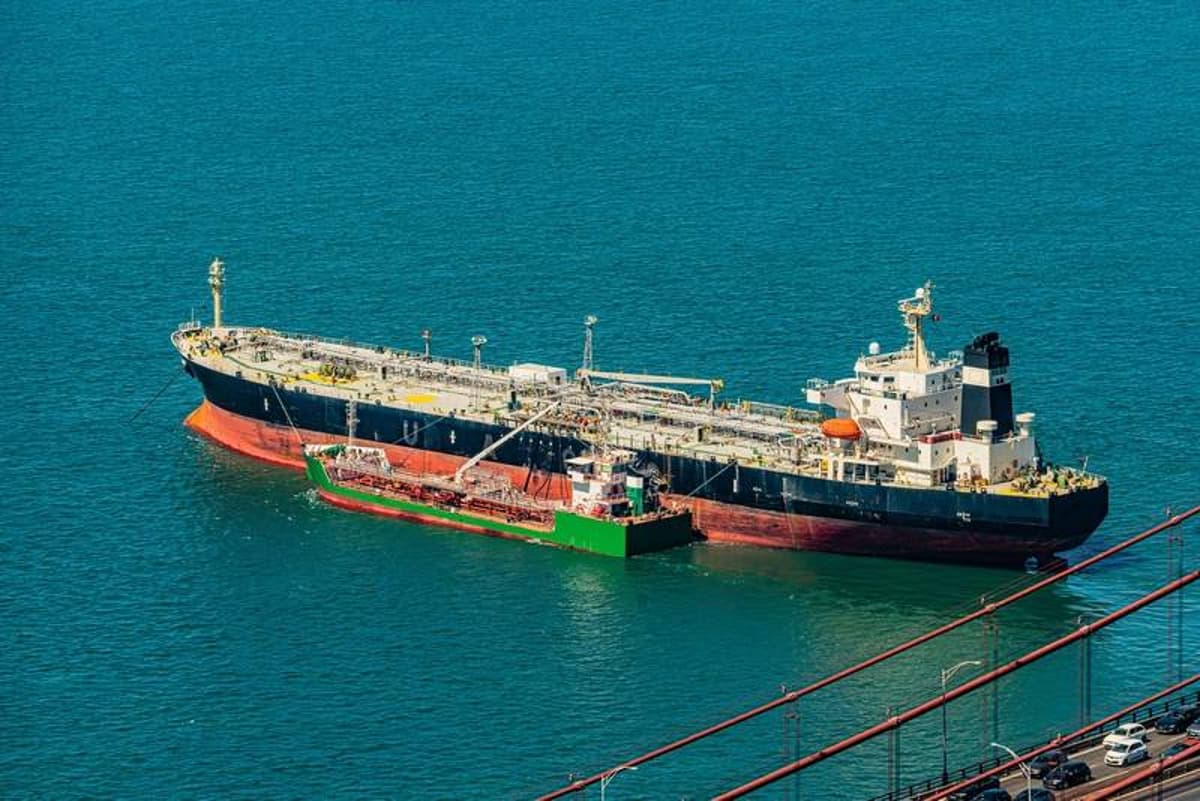
Fuel for Thought: How Three Fifty Markets Secured Its Maritime Lien
Why It Matters
The ruling strengthens bunker suppliers’ ability to enforce liens in U.S. courts, forcing vessel owners to actively manage no‑lien clauses and contractual risk.
Key Takeaways
- •Apparent authority can create a maritime lien despite no‑lien clauses
- •Suppliers can rely on brokers and industry practice to secure liens
- •Owners must actively enforce no‑lien provisions or risk vessel arrest
- •Choice‑of‑law clauses favoring US law enable lien enforcement in New Orleans
- •Court upheld price markup as commercially reasonable amid market volatility
Pulse Analysis
The Fifth Circuit’s decision in Three Fifty Markets v. M/V ARGOS M highlights the high‑stakes nature of modern bunkering. Three Fifty delivered 800 metric tons of VLSFO to the vessel in Spain on behalf of a UAE broker acting for the charterer, yet payment never materialised. By arresting the ship in New Orleans, the supplier leveraged the most potent remedy available under the Commercial Instruments and Maritime Liens Act, turning a routine fuel transaction into a landmark legal precedent.
At the heart of the ruling is the doctrine of apparent authority. The court found that the broker’s historic dealings with the charterer, overlapping communications, and the vessel manager’s silent acquiescence satisfied the statutory test for “necessaries” under U.S. law. Consequently, the charterparty’s no‑lien clause was ineffective because Three Fifty had no actual knowledge of it. The opinion also affirmed that price variations reflecting market volatility, credit risk, and broker fees are permissible, reinforcing the commercial reality of rapid bunker trades.
For the maritime industry, the case sends a clear signal: owners cannot rely solely on boilerplate clauses to block liens. Proactive risk management—such as explicit written notices to suppliers and careful choice‑of‑law drafting—has become essential. Bunker traders, meanwhile, gain confidence that U.S. courts will protect their interests when they act in good faith. As the decision begins to be cited, stakeholders can expect tighter contractual scrutiny and a possible uptick in lien‑related litigation across global shipping routes.
Fuel for Thought: How Three Fifty Markets Secured Its Maritime Lien
Comments
Want to join the conversation?
Loading comments...