Fuel Reserve Must Reach Regional Australia, Livestock Transporters
Why It Matters
Without reliable diesel supplies, livestock, grain and feed shipments stall, threatening Australia’s food supply chain and regional economic productivity. Ensuring fuel reaches remote operators safeguards national food security and rural livelihoods.
Key Takeaways
- •ALRTA backs $6.6 bn USD fuel security package, demands regional access.
- •Reserve must guarantee at least 50 days of diesel for rural operators.
- •Livestock transport designated essential for drawdown under emergency.
- •Small family transport firms should avoid added fuel‑security costs.
- •Fuel security directly linked to Australia’s food and regional productivity.
Pulse Analysis
Australia’s new fuel‑security initiative represents one of the largest peacetime logistics investments in the country, earmarking roughly $6.6 billion USD to create a strategic reserve and a dedicated storage hub for diesel and fertiliser. By targeting a 50‑day supply buffer, the government aims to insulate the nation’s extensive agricultural export chain from volatile global oil markets and domestic supply shocks. The move reflects a broader shift toward pre‑emptive infrastructure that can sustain critical sectors during emergencies, echoing similar reserve strategies adopted by other resource‑rich economies.
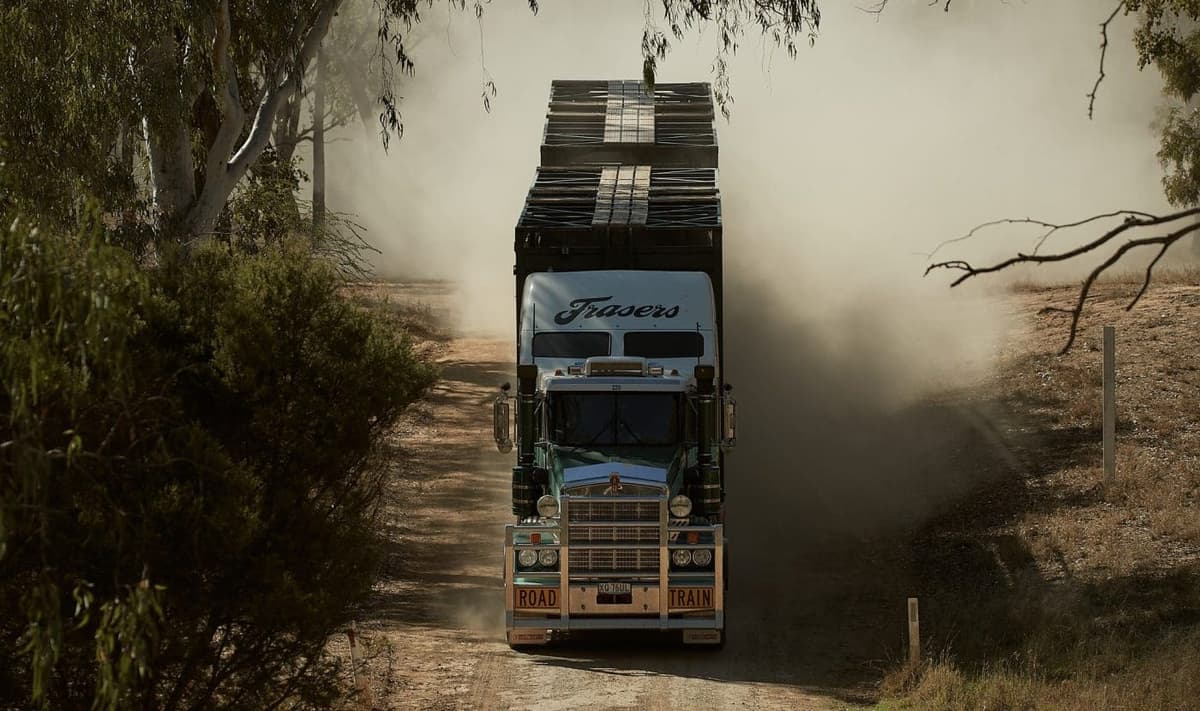
The real test, however, lies in the operational rollout beyond capital cities. Rural Australia depends on diesel for everything from moving cattle across vast outback distances to delivering feed, grain and fertiliser to isolated farms. ALRTA’s call to label livestock and rural transport as essential users ensures that, during a drawdown, these services receive priority access to the reserve. Logistically, delivering bulk fuel to remote depots involves coordinating rail, road and maritime links, often over thousands of kilometres, and requires clear, pre‑negotiated protocols to avoid bottlenecks when supply tightens.
Policymakers must also balance the financial burden on the sector’s backbone—small, family‑run transport firms. While the reserve promises stability, any ancillary fees or compliance costs could erode profit margins for operators already navigating thin margins. By keeping the framework cost‑neutral for these businesses, the government can reinforce the link between fuel security and food security, bolstering national productivity and regional resilience. As Australia positions itself for a more secure agricultural future, the effectiveness of this reserve will likely become a benchmark for other essential‑service sectors seeking similar safeguards.
Fuel reserve must reach regional Australia, livestock transporters
Comments
Want to join the conversation?
Loading comments...