Fuel Shock, Middle East Turmoil Push Global Freight Rates Higher
Companies Mentioned
Why It Matters
Higher fuel‑driven surcharges erode profit margins for carriers and raise shipping costs for businesses, reshaping supply‑chain budgeting in a market already constrained by demand softness. The trend signals a shift toward cost‑centric pricing that could persist through the next quarter.
Key Takeaways
- •Ocean rates rise despite muted demand due to higher fuel costs
- •Emergency bunker surcharges deployed globally as carriers protect margins
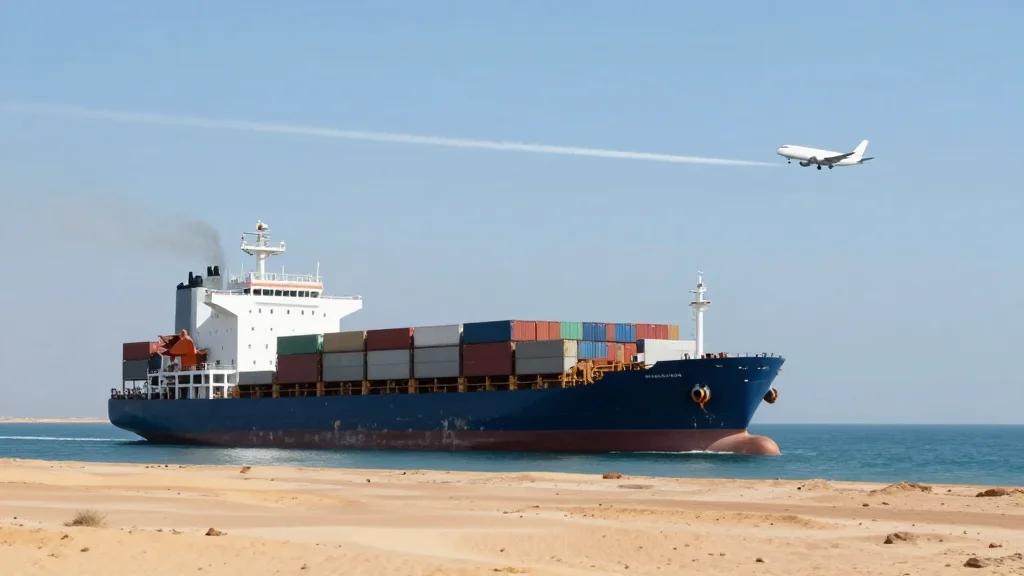
- •Middle East disruptions keep ~130 container ships delayed, prompting reroutes
- •Jet fuel prices jumped 78% YoY, inflating air cargo costs
- •Shippers face higher surcharges and volatility even in a soft market
Pulse Analysis
The freight landscape is being redefined by an unprecedented surge in energy prices, a byproduct of geopolitical instability in the Middle East. As oil and jet fuel costs climb, ocean carriers are turning to emergency bunker surcharges (EBS) to safeguard margins, even as container volumes remain flat. Blank sailings have risen, and capacity, while technically healthy, is being throttled to offset higher operating expenses. This cost‑push dynamic is evident in the trans‑Pacific eastbound lane, where rates are inching upward despite seasonal demand weakness, signaling that price discovery is now fuel‑driven rather than demand‑driven.
Air cargo faces a parallel shock. Jet fuel has nearly doubled year‑over‑year, a 78% increase that forces airlines to impose steep surcharges and re‑route flights around closed Middle Eastern airspaces. The resulting capacity squeeze—wide‑body slots down 11% from pre‑Lunar New Year levels—has amplified rate volatility and extended transit times. With major hubs like Dubai and Doha operating below capacity, shippers encounter limited options and higher costs, prompting a shift toward alternative routes and multimodal solutions such as land bridges out of the Gulf.
For businesses, the immediate implication is tighter cost control and revised logistics strategies. Companies must factor in persistent fuel surcharges when budgeting freight spend and consider diversifying carrier portfolios to mitigate exposure to regional disruptions. Looking ahead, Flexport projects that elevated surcharges will linger through Q2, with limited relief from seasonal capacity gains. Proactive scenario planning, including inventory buffers and flexible routing, will be essential for firms aiming to preserve margins amid a market where fuel, not demand, dictates freight pricing.
Fuel shock, Middle East turmoil push global freight rates higher
Comments
Want to join the conversation?
Loading comments...