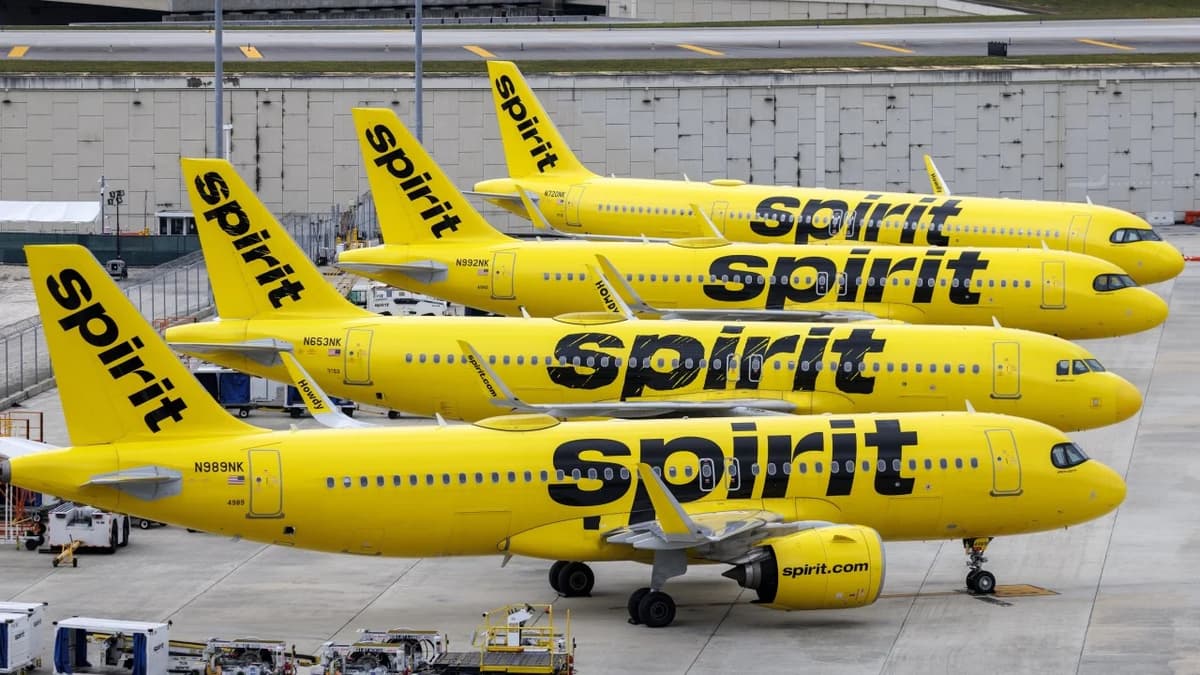
Fuel Shocks, Thin Margins: Why China’s Airlines Should ‘Heed Spirit’s Mistakes’
Companies Mentioned
Why It Matters
Rising jet‑fuel costs and competitive rail options threaten the already fragile profitability of Chinese airlines, making strategic cost control essential for sector recovery and for U.S. carriers eyeing similar market dynamics.
Key Takeaways
- •Spirit's bankruptcy highlights risks of high fuel debt
- •May Day air passenger volume fell 5.7% YoY
- •Rail trips rose 5.2% to 159 million, outpacing flights
- •Domestic ticket price hit ¥925 ($136), 10% higher YoY
- •Spring Airlines grew flights 8.9% despite higher fares
Pulse Analysis
The sudden failure of Spirit Airlines has reverberated across the global aviation landscape, reminding carriers that excessive debt and exposure to fuel price spikes can quickly erode thin margins. In the United States, Spirit’s overleveraged balance sheet and delayed route adjustments precipitated its downfall, offering a cautionary template for airlines operating in volatile cost environments. Chinese airlines, still recovering from pandemic‑induced losses, now face a similar threat as the Middle‑East conflict pushes jet‑fuel prices nearly double, tightening cash flows and testing resilience.
During China’s eight‑day May Day holiday, travelers overwhelmingly chose the nation’s high‑speed rail network, which recorded 159 million trips—a 5.2% year‑on‑year increase—while civil‑aviation passenger volume slipped 5.74% to 10.54 million. Ticket prices rose to ¥925 (about $136), roughly 10% higher than the previous year, yet airlines have been hesitant to raise fuel surcharges for fear of further dampening demand. The regulator’s cautious approach to fuel‑price caps and limited jet‑fuel export allowances compounds the operating challenges, leaving many carriers on razor‑thin profit lines.
Amid the headwinds, Spring Airlines demonstrates how disciplined cost control, targeted pricing, and strategic route selection can generate growth even when fares climb. The carrier boosted flight volume by 8.9% during the holiday, leveraging destinations less accessible by rail. U.S. airlines observing this model may find valuable lessons in balancing fare adjustments with operational efficiency. As fuel volatility persists and rail competition intensifies, Chinese airlines must tighten balance sheets and adapt routes swiftly to avoid the fate that befell Spirit, while the broader industry watches for signs of a sustainable recovery.
Fuel shocks, thin margins: why China’s airlines should ‘heed Spirit’s mistakes’
Comments
Want to join the conversation?
Loading comments...