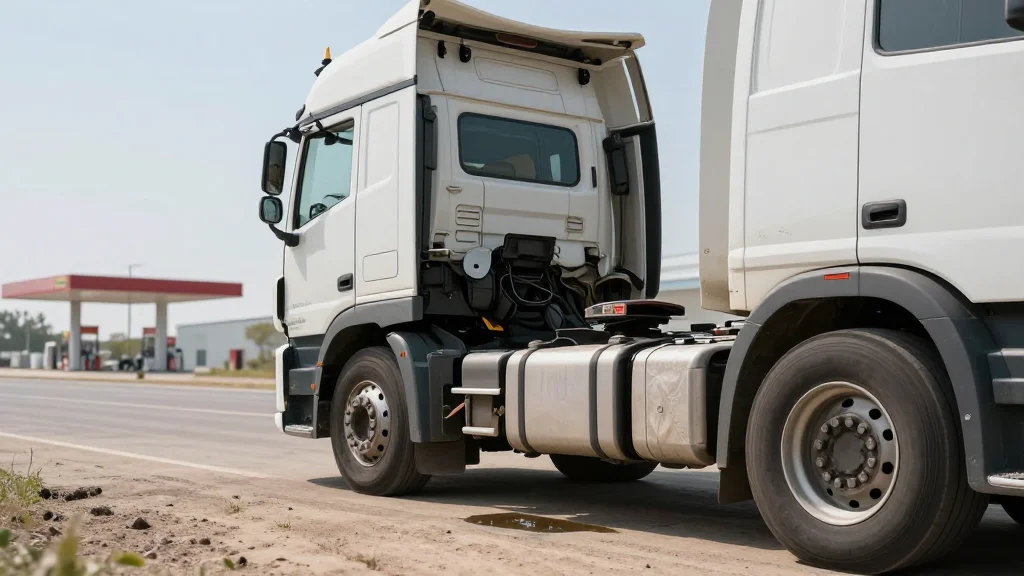
Fuel Tensions Leave Logistics Industry Tyred Out
Why It Matters
The fuel‑price shock threatens supply‑chain reliability and could feed broader inflation as higher freight costs are passed to consumers, while the financial strain on small operators risks destabilising India’s logistics backbone.
Key Takeaways
- •≈20% of India’s 9.5 million trucks idling due to diesel shortage.
- •Fuel price hikes add $0.09‑$0.10 per litre, raising freight rates 10‑15%.
- •Small operators (70% of fleet) face mounting costs, risking collapse.
- •Large firms like VRL report 6‑8‑hour idling despite OMC pump access.
- •Retail diesel price gap of $0.48‑$0.51 per litre strains supply.
Pulse Analysis
India’s logistics sector is feeling the ripple effects of a sharp diesel crunch triggered by soaring global crude prices linked to the Iran conflict. State‑run oil‑marketing companies have hiked diesel four times in less than two weeks, pushing the retail price up by roughly $0.06‑$0.07 per litre and widening the gap between institutional and retail rates to about $0.48‑$0.51 per litre. The resulting scarcity has forced roughly one‑fifth of the nation’s 9.5 million‑strong trucking fleet to sit idle, creating a supply‑demand imbalance that is already nudging freight rates upward by 10‑15% on key corridors.
The cost shock is hitting the most vulnerable segment first: small‑truck operators, who make up more than 70% of India’s highly fragmented transport ecosystem. Their operating margins are eroding as diesel, which accounts for 40‑45% of total costs, climbs sharply. Many carriers are forced to pre‑pay at fuel stations as credit lines dry up, tightening working‑capital and raising the risk of operator defaults. The upward pressure on freight rates is expected to cascade into higher prices for food and consumer goods, adding a new layer of inflationary pressure to an already delicate economy.
In response, larger logistics firms are turning to technology to cushion the blow. Allcargo Logistics, for example, leverages predictive analytics and route‑optimisation to minimise idle time and maintain service levels despite volatile fuel costs. Meanwhile, industry bodies such as the All India Motor Transport Congress are urging the government to intervene, citing the systemic risk posed by a potential collapse of small operators. Policymakers may need to consider temporary fuel subsidies or credit facilities to keep the supply chain moving while longer‑term solutions, like a shift to alternative fuels, are explored.
Fuel tensions leave logistics industry tyred out
Comments
Want to join the conversation?
Loading comments...