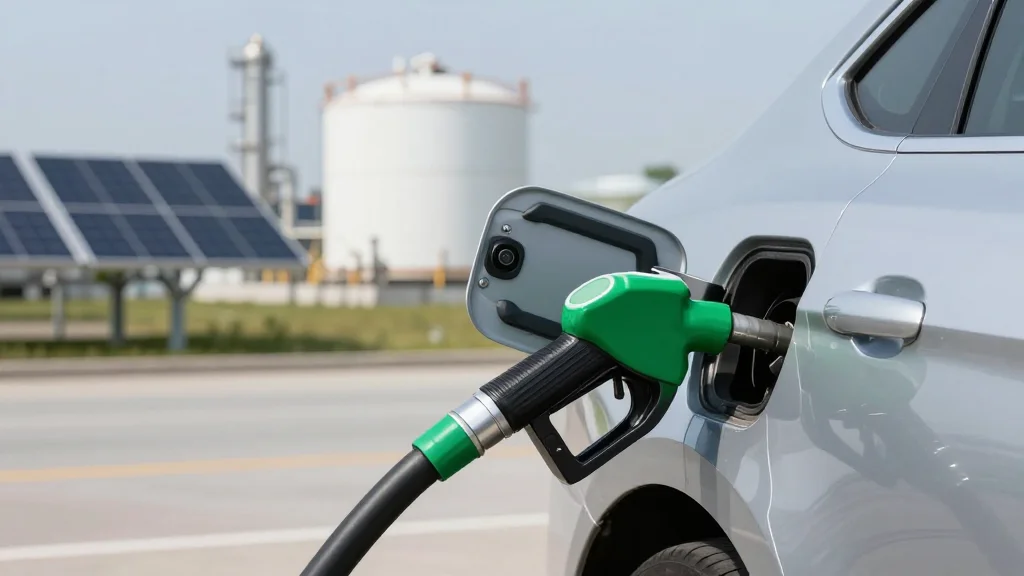
Gadkari Calls for 100% Ethanol Blending as West Asia Crisis Exposes Supply Vulnerabilities
Why It Matters
Achieving full ethanol blending would cut India’s massive fossil‑fuel import bill and reduce emissions, while a cheap hydrogen economy could create jobs and boost export potential.
Key Takeaways
- •India aims for 100% ethanol blending in gasoline soon
- •Current E20 blend requires minor engine tweaks, similar to Brazil's model
- •Oil imports total ~₹22 lakh crore (~$265 billion), 87% of demand
- •Upcoming CAFE III standards focus on fuel efficiency, not EV mandates
- •Gadkari promotes green hydrogen at $1/kg to become exporter
Pulse Analysis
The push for 100% ethanol blending comes at a time when geopolitical tensions in West Asia have exposed the fragility of India’s energy supply chain. With roughly 87% of its oil needs imported—an outlay of about $265 billion annually—the country faces both economic strain and environmental pressure. Ethanol, derived from agricultural residues and sugarcane, offers a domestic alternative that can lower the trade deficit and curb carbon emissions, aligning with India’s broader climate commitments.
Technically, the transition builds on the existing E20 program launched in 2023, which blends 20% ethanol into petrol. Vehicles can run on this mix with minor modifications to prevent corrosion, a practice already proven in Brazil, the world’s leading ethanol user. The forthcoming Corporate Average Fuel Efficiency (CAFE) III standards, slated for April 2027, will tighten fuel‑efficiency targets without imposing strict electric‑vehicle quotas, giving manufacturers time to adapt engines for higher ethanol blends while maintaining market competitiveness.
Beyond ethanol, Gadkari’s emphasis on green hydrogen reflects a strategic bid to diversify India’s clean‑energy portfolio. Achieving a production cost of $1 per kilogram—a benchmark set by leading global studies—could make hydrogen a viable export commodity and stimulate a circular economy that recycles waste into fuel. Lower hydrogen costs would also accelerate the rollout of refueling infrastructure, creating skilled jobs and positioning India as a leader in the emerging hydrogen market.
Gadkari calls for 100% ethanol blending as West Asia crisis exposes supply vulnerabilities
Comments
Want to join the conversation?
Loading comments...