GAO Flags Electric Aircraft Hurdles
Companies Mentioned
Why It Matters
The findings signal that infrastructure and regulatory gaps could delay the rollout of electric aviation, affecting investors, manufacturers, and the broader push toward greener air travel.
Key Takeaways
- •47 U.S. airports listed electric charging stations; 43 are nonhub facilities
- •BETA Technologies operates 52 active stations, 32 more under construction
- •Airport electrification projects can cost around $2 million per vertiport
- •Only 23 of 16,788 FAA certifications involve electric propulsion
- •Airports explore charge fees to offset lost fuel‑sale revenue
Pulse Analysis
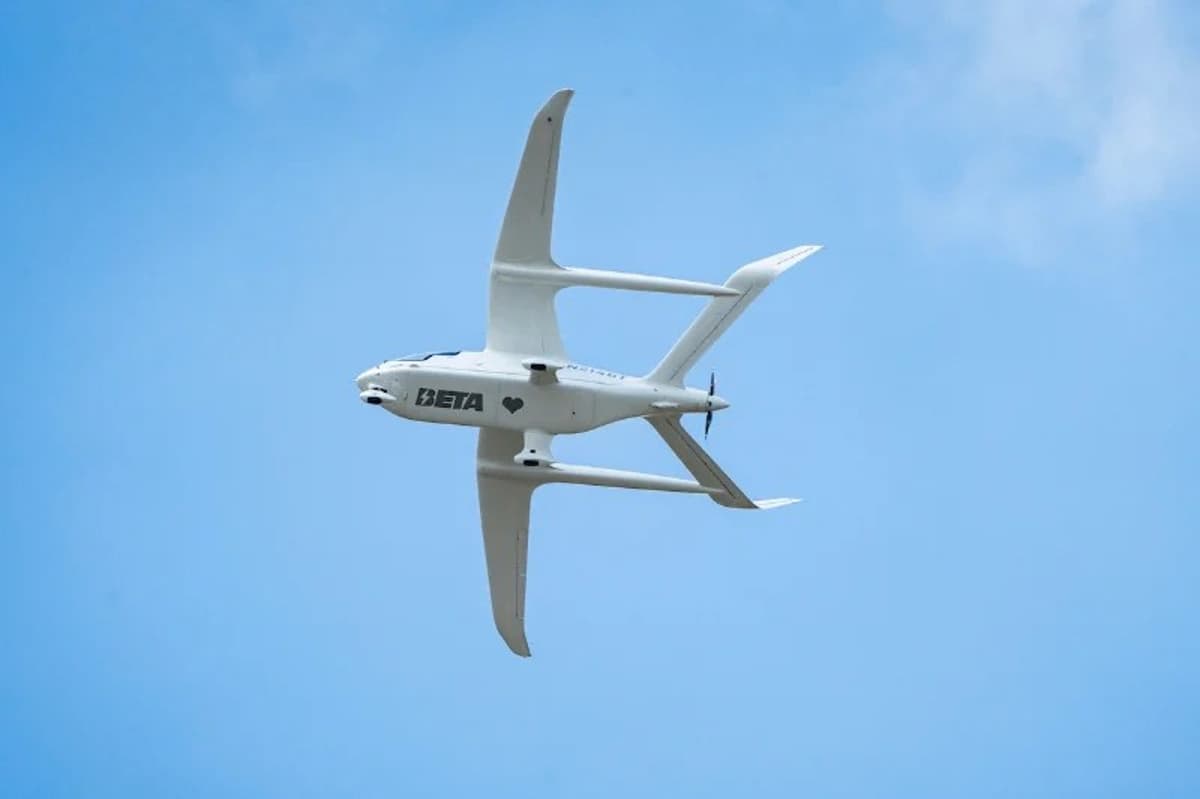
The GAO’s latest assessment paints a stark picture of the electric aircraft ecosystem, where infrastructure lags far behind ambition. With just 47 U.S. airports mapping charging stations—most of them modest nonhub locations—the network relies heavily on BETA Technologies, which currently runs 52 active stations and is building another 32. This scarcity reinforces the classic chicken‑or‑egg dilemma: investors hesitate to fund facilities without certified aircraft, while manufacturers await the necessary ground support to scale operations.
Financial implications are equally pressing. Airports traditionally earn a steady stream from fuel sales, and the shift to electric propulsion threatens that revenue base. State transportation officials suggest implementing a charge fee akin to a fuel flowage fee, while the American Association of Airport Executives urges Congress to mandate contributions from new electric operators toward air traffic control and infrastructure costs. Such fee structures could help airports recoup lost income, but they also introduce regulatory complexity that could slow adoption if not harmonized across jurisdictions.
On the certification front, the FAA’s workload underscores the nascent state of electric aviation. Since 2018, only 23 of more than 16,000 certification projects have involved electric propulsion, reflecting limited staffing, expertise, and standardized procedures. Manufacturers cite these gaps as barriers to timely certification, urging greater delegation and clearer guidelines. Addressing these regulatory bottlenecks will be crucial for unlocking the promised environmental benefits and market potential of electric aircraft, positioning the United States to lead in the emerging advanced air mobility sector.
GAO Flags Electric Aircraft Hurdles
Comments
Want to join the conversation?
Loading comments...