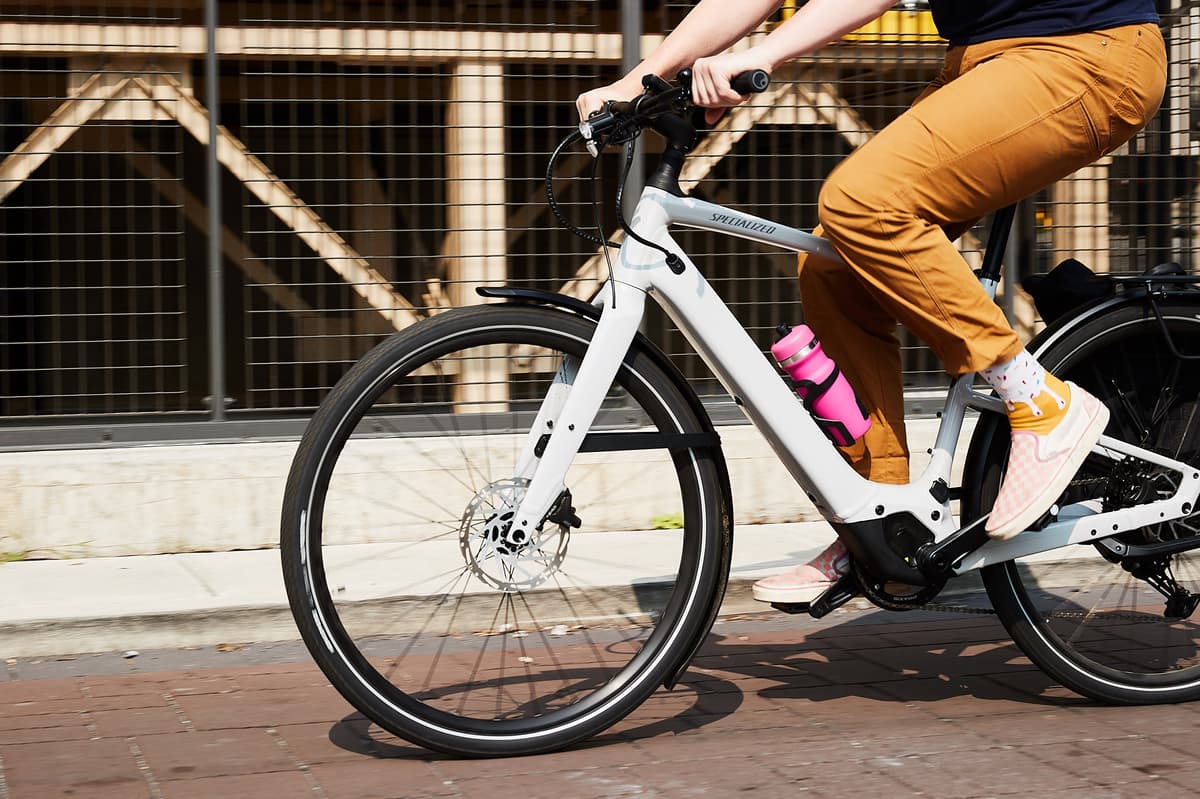
Gas Prices Are Rising: Our Editors’ 13 Top-Tested Commuter Bikes for 2026
Companies Mentioned
Why It Matters
As fuel costs climb, commuter bikes offer a cost‑effective, health‑boosting alternative that can reshape urban travel patterns and expand the market for e‑bikes and cargo models.
Key Takeaways
- •Gas price spikes boost commuter bike demand across U.S. cities
- •Aventon Level 4 REC leads with 750 W motor and regenerative braking
- •REI Co‑op CTY 1.1 offers best value under $800 price point
- •Cargo e‑bikes like Aventon Abound LR provide kid‑friendly hauling for $2,000
- •Testing emphasized real‑world range, load capacity, and commuter comfort
Pulse Analysis
Gasoline prices have surged to levels that make daily driving a noticeable expense for many commuters. With the average American commute hovering around 12‑15 miles, cyclists can shave off fuel costs, parking fees, and tolls by swapping a portion of the drive for a bike ride. Beyond the wallet, bike commuting delivers measurable health benefits—improved cardiovascular fitness, reduced stress, and lower carbon emissions—making it an attractive option for environmentally conscious workers and city planners alike.
The 2026 commuter‑bike roundup reflects this shift, showcasing a diverse set of models tailored to different budgets and riding styles. E‑bikes such as the Aventon Level 4 REC and Specialized Turbo Vado SL dominate the high‑performance segment with powerful motors, long-range batteries and built‑in accessories that eliminate aftermarket upgrades. For cost‑conscious riders, the REI Co‑op CTY 1.1 provides a solid hybrid platform under $800, while the XDS Cross200 delivers essential features at a budget price. Cargo solutions like the Aventon Abound LR and Lectric XPedition 2.0 enable families and delivery workers to haul groceries or kids without a car, expanding the practical use cases for two‑wheel transport.
Industry analysts see the growing commuter‑bike demand as a catalyst for broader changes in urban mobility. Manufacturers are accelerating e‑bike development, integrating smart connectivity, regenerative braking and modular accessories to appeal to a wider audience. Municipalities are responding with expanded bike lanes, secure parking and incentives that further lower the barrier to entry. As more commuters adopt mixed‑mode travel—driving to a park‑and‑ride then cycling the last mile—the market for versatile, durable commuter bikes is set to expand, reshaping transportation infrastructure and consumer spending habits for years to come.
Gas Prices Are Rising: Our Editors’ 13 Top-Tested Commuter Bikes for 2026
Comments
Want to join the conversation?
Loading comments...