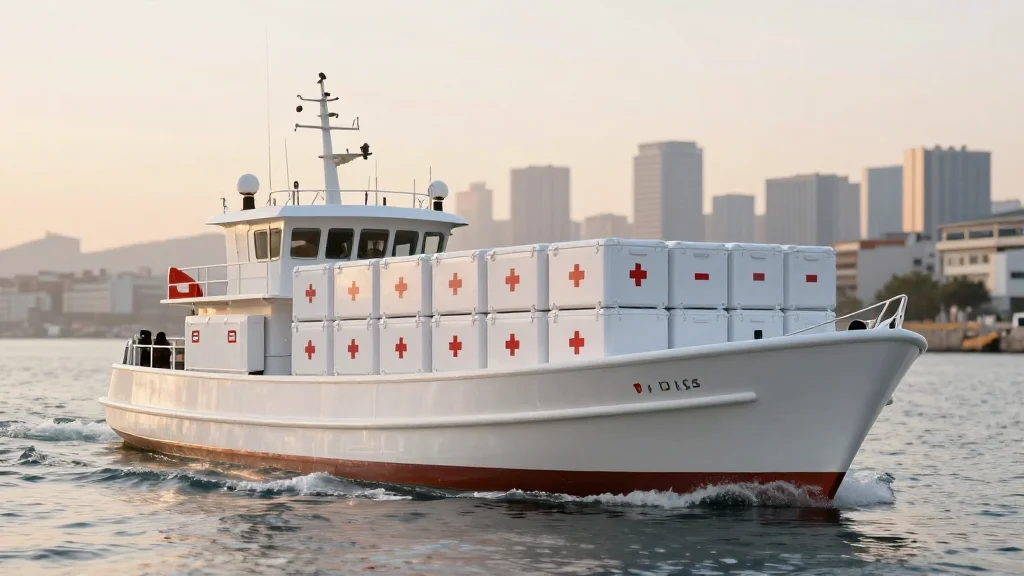
Gaza Aid Flotilla Aims to Break Israeli Blockade
Why It Matters
The flotilla challenges Israel's control over Gaza's supply lines, highlighting gaps in humanitarian assistance and testing international pressure on the blockade.
Key Takeaways
- •30 boats depart Barcelona with medical aid targeting Gaza blockade
- •October flotilla halted; 450 detainees including Greta Thunberg
- •Organizers claim mission creates humanitarian corridor for aid delivery
- •Israel asserts blockade does not impede essential supplies to Gaza
Pulse Analysis
The Gaza Strip has been under a land, sea and air blockade for over a decade, limiting the flow of food, medicine and construction materials to more than two million residents. Even after the October cease‑fire, United Nations agencies report that aid trucks still move at a fraction of pre‑conflict volumes, leaving hospitals short of essential drugs and civilians dependent on dwindling humanitarian convoys. The Global Sumud Flotilla represents a direct attempt to bypass those restrictions by delivering supplies from European ports, underscoring the persistent supply‑gap that fuels the humanitarian crisis.
Flotilla activism is not new; a similar convoy in October was intercepted by the Israeli navy, leading to the arrest of over 450 activists, among them high‑profile figures such as Greta Thunberg. International humanitarian law obliges occupying powers to allow the free passage of medical aid, a principle cited by the World Health Organization and the flotilla’s organizers. Legal scholars argue that the blockade’s enforcement must be proportionate and non‑discriminatory, raising questions about whether the Israeli response meets those standards. The recurring pattern of maritime protests highlights the tension between security concerns and the legal duty to sustain civilian populations in conflict zones.
The latest departure from Barcelona could reshape diplomatic dynamics. European governments, already navigating complex ties with Israel, may face heightened pressure to mediate or endorse humanitarian corridors. For NGOs, the flotilla offers a high‑visibility platform to rally public support and potentially compel policy adjustments. If successful, the mission could set a precedent for future civilian‑led aid deliveries, prompting Israel to reassess its maritime enforcement protocols and possibly open limited, monitored channels for essential relief supplies.
Gaza aid flotilla aims to break Israeli blockade
Comments
Want to join the conversation?
Loading comments...