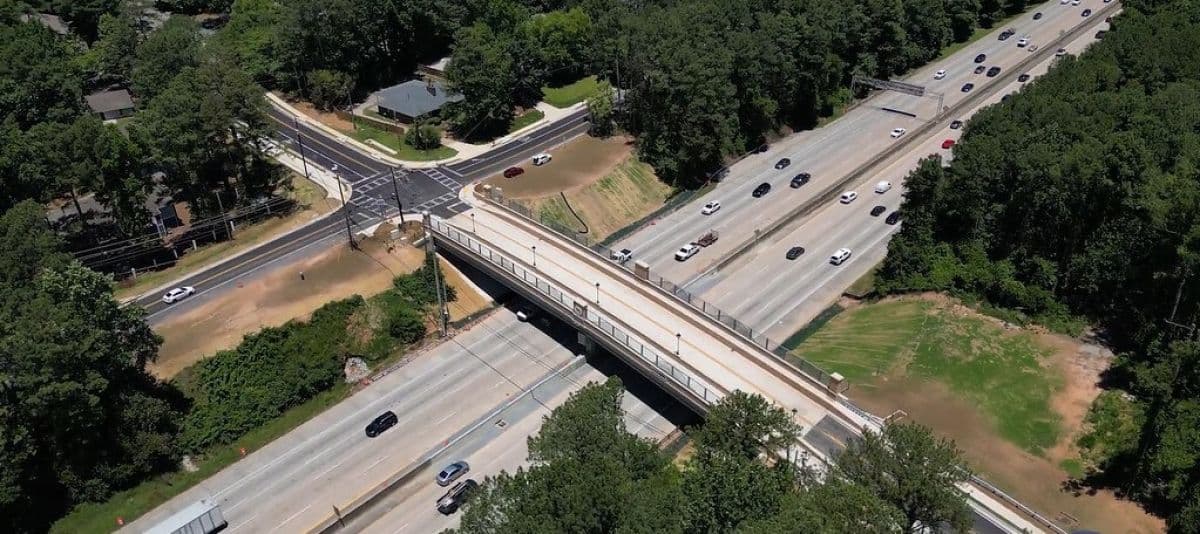
GDOT's Major SR 400 Express Lanes Construction Set to Begin
Why It Matters
The express lanes aim to alleviate chronic congestion on one of Atlanta’s busiest arteries while leveraging private capital to accelerate delivery. Successful implementation could set a template for similar PPP‑driven mobility solutions nationwide.
Key Takeaways
- •Construction starts April 2026 on 16‑mile SR 400 express lanes.
- •Adds two tolled lanes each direction between North Springs and McGinnis.
- •One lane each direction continues from McGinnis Ferry to McFarland Parkway.
- •Includes BRT stations at Holcomb Bridge Rd, North Point Mall, Windward.
- •56‑year PPP gives SR 400 Peach Partners design, construction, operation responsibilities.
Pulse Analysis
Georgia’s transportation landscape is about to shift dramatically as the SR 400 Express Lanes project breaks ground. The initiative, the largest infrastructure effort in the state’s history, is being delivered through a 56‑year public‑private partnership that places design, construction, operations, and long‑term maintenance in the hands of SR 400 Peach Partners. By limiting upfront public spending, the model accelerates the timeline and promises performance‑based outcomes, a strategy that other states are watching closely as they grapple with aging road networks.
The core of the project adds optional tolled express lanes along a 16‑mile stretch of SR 400, a corridor notorious for peak‑hour bottlenecks. Two lanes per direction will run from North Springs to McGinnis Ferry, with a single lane each way extending to McFarland Parkway. Integrated Bus Rapid Transit stations at Holcomb Bridge Road, North Point Mall, and Windward will enable a seamless transition to MARTA’s future BRT service, encouraging multimodal travel and potentially reducing vehicle miles traveled. Toll revenue is expected to fund ongoing maintenance, ensuring the lanes remain in optimal condition.
Looking ahead to 2031, the express lanes are projected to improve travel times, boost regional productivity, and strengthen the Georgia Express Lanes Network. The long‑term PPP arrangement also offers a blueprint for financing large‑scale mobility projects without overburdening taxpayers. As congestion costs continue to rise, the SR 400 Express Lanes could become a benchmark for how strategic private sector involvement accelerates infrastructure modernization while delivering measurable economic benefits.
GDOT's Major SR 400 Express Lanes Construction Set to Begin
Comments
Want to join the conversation?
Loading comments...