Why It Matters
The postponement threatens to stall critical retrofits and technology roll‑outs needed to meet the IMO’s 20‑30% 2030 and 70‑80% 2040 emission cuts, risking global climate targets. It also underscores the geopolitical tug‑of‑war shaping the shipping sector’s decarbonisation pathway.
Key Takeaways
- •Global shipping groups reaffirm IMO GHG reduction commitment.
- •IMO's 2025 regulation adoption postponed after US pressure.
- •Everllence completed ammonia engine factory test in South Korea.
- •Retrofit market stalls, hindering near‑term emissions cuts.
- •Pacific islands warn powerful states of climate sabotage.
Pulse Analysis
The International Maritime Organization’s 2023 GHG Strategy set an ambitious roadmap: a 20‑30% cut in emissions by 2030, 70‑80% by 2040 and net‑zero around 2050. Industry associations such as BIMCO, CLIA and INTERTANKO have publicly pledged to stay the course, citing billions of dollars already earmarked for alternative‑fuel projects and low‑carbon technologies. However, the October 2025 postponement of the next regulatory package—prompted by U.S. threats of tariffs and reprisals—has injected uncertainty into the timeline, prompting shipowners to pause large‑scale retrofits until clearer rules emerge.
Despite regulatory headwinds, innovation continues. Everllence’s successful factory acceptance test of an ammonia‑firing engine, built under licence from Hyundai Heavy Industries in South Korea, signals that ammonia could become a viable main‑stay fuel for new builds and conversions. Yet, as Project Sales Director Klaus Rasmussen of PrimeServ Denmark notes, the retrofit market is in a “doldrums” phase, leaving a sizable gap in the volume of vessels needed to meet the IMO’s pathway. Without accelerated conversion programmes, the sector risks missing near‑term 2030 targets, forcing reliance on costly new‑builds alone.
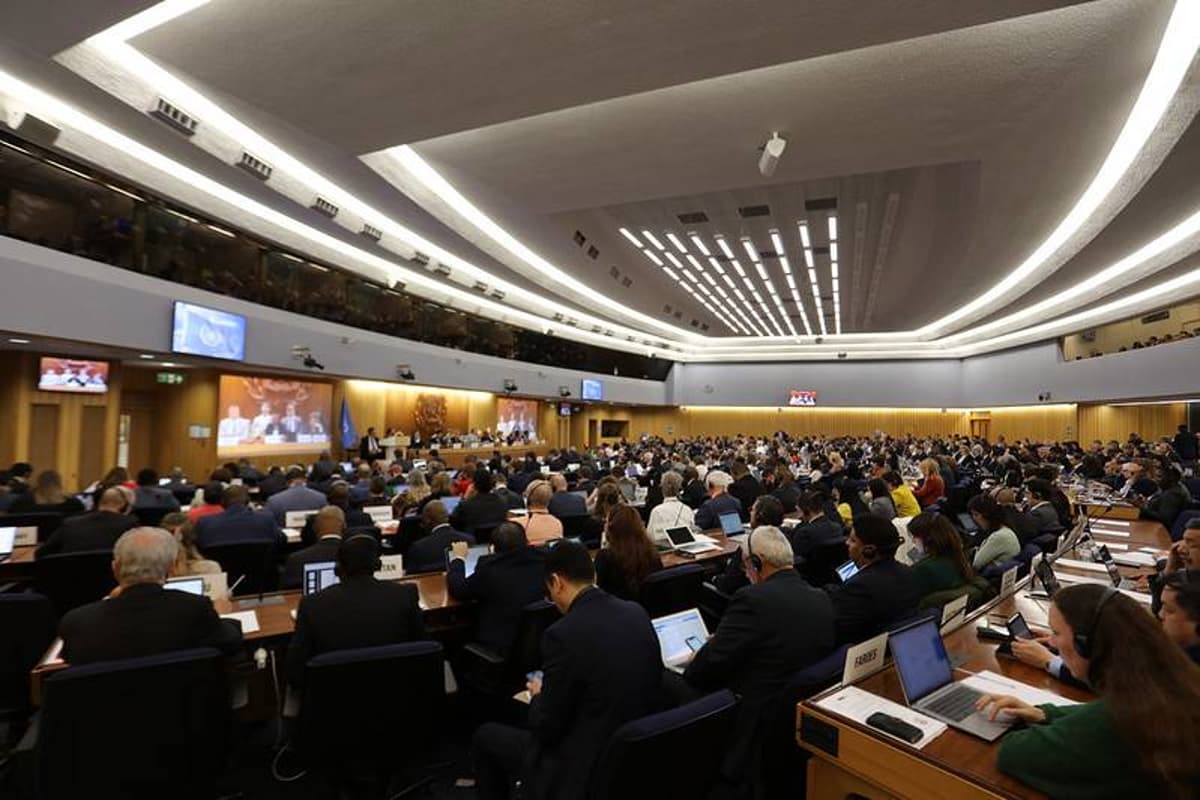
Geopolitics further complicates the picture. Vanuatu’s climate minister warned that powerful states are attempting to water down the decarbonisation framework, a claim echoed by Pacific Island nations fearing climate sabotage. As MEPC 84 convenes, the tension between regulatory certainty, technological readiness, and political pressure will shape the next steps. Stakeholders will be watching for any signals that could restore confidence in the IMO’s net‑zero framework, ensuring that commercial shipping remains on track to deliver the emissions cuts essential for global climate goals.
Gearing up for MEPC 84
Comments
Want to join the conversation?
Loading comments...